

Home Loan
- Get up to Rs. 7.5 Crore* | Digital Application Process | Instant Provisional Sanction | Minimal Documentation

Personal loan starting
@ 10.99% p.a
All you need to know
Personal loan for all your needs
Check Your Credit Score
Higher credit score increases the chances of loan approval. Check your CIBIL score today and get free insights on how to be credit-worthy.
Check Credit Score
Home Extension Loan Affordable Housing Loan PMAYQuick Cash Plot & Construction Loan Balance Transfer Home Loan Top Up Home Loan EMI Calculator PMAY Calculator Balance Transfer & Top-up Calculator Home Loan Eligibility Calculator Area Conversion Calculator Stamp Duty CalculatorKnow MoreCheck Credit Score Home Loan Rates & Charges Home Loan Documents Required Home Loan Online RERA Approved Housing Projects
Business Loan EMI Calculator Business Loan Pre-payment Calculator GST Calculator Foreclosure Calculator Hybrid Term Loan Machinery Loan MSME Loan Small Business LoanBusiness Loan Rates & Charges Business Loan Documents Required
Used Car Loan Loan On Used Car New Car Loan Two Wheeler Loan Used Car EMI Calculator Two Wheeler EMI Calculator Apply Now Apply Now
Know More Apply Now Loan Against Securities Rates & Charges Loan Against Securities Documents Required Loan against Shares Loan against mutual funds Check Credit ScoreLoan Against Securities Rates & Charges Loan Against Securities Documents Required
Know More Apply Now Loan Against Property Rates & Charges Loan Against Property Documents Required EMI Options Hybrid Term Loan Secured BL (SBL) Loan Against Property EMI Calculator
Know More Apply Now Education Loan Rates & Charges Education Loan Documents Required Education Loan EMI Calculator Request a Callback
Know More Microfinance Rates & Charges Microfinance Documents Required Microfinance EMI Calculator Want To Know More? Request a Callback
Rural Individual Loan Know More Rural Individual Loan Rates & Charges Rural Individual Loan Documents Required Rural Individual Loan EMI Calculator Request a Callback
Sign in to unlock
special offers!

Thank you for your application
Tata Capital offers housing loans of up to Rs. 7.5 crores* with an attractive interest rate. Enjoy a seamless online application process, minimal documentation, and instant provisional sanction. With loan terms of up to 30 years, Tata Capital ensures your journey to homeownership is smooth and stress-free.
Discover Home Loan Interest Rates and Charges below
The cost of a home loan goes beyond the interest rate. Before you apply, it helps to understand the full breakdown of charges involved. These typically fall into four categories: processing fees charged at the time of application, valuation charges for property assessment, government charges such as stamp duty and registration, and other charges like foreclosure fees or delayed EMI penalties. Here is what Tata Capital home loan fees and charges look like:
| Particulars | Salaried | Self-Employed |
|---|---|---|
| Loan amount | Rs. 5 lakh to Rs. 7.5 crore* | Rs. 5 lakh to Rs. 7.5 crore* |
| Loan tenure | Up to 30 years | Up to 30 years |
| Interest Rate | 7.99% p.a. - 13% p.a. | 8.25% p.a. - 13% p.a. |
| Required documents | Documents required for home loan |
|
| Online Eligibility Check | Home loan eligibility calculator |
|
| Eligibility criteria | Min. salary of Rs. 30,000 with at least 2 years of work experience | 3 years of experience in the same business |
| Co-applicant tax benefit | Separate tax deductions of up to Rs. 2L under sec. 24 of the IT Act. Claim deductions of up to Rs. 1.5L under sec. 80C | Separate tax deductions of up to Rs. 2L under sec. 24 of the IT Act. Claim deductions of up to Rs. 1.5L under sec. 80C |
| Processing fees | Up to 3% of the loan amount + GST | Up to 3% of the loan amount + GST |
| Foreclosure Charges | Please refer to Most Important Terms & Conditions – Home Loans for Foreclosure charges | Please refer to Most Important Terms & Conditions – Home Loans for Foreclosure charges |
| Delayed EMI Payments | 2% per month (24% p.a.) on the defaulted EMI & Rs. 700/- per instrument per Instance | 2% per month (24% p.a.) on the defaulted EMI & Rs. 700/- per instrument per Instance |
| Other Charges | Check home loan interest rates |
Step closer to owning your dream home. Tata Capital offers home loans plans with simple eligibility criteria and a smooth application process. Review the requirements below and take the next step today.
| Eligibility Criteria | Details |
|---|---|
|
Applicants aged 21–65 years are eligible |
|
Stable income required. Use our EMI or home loan eligibility calculator for details. |
|
5-30yrs |
|
Open to salaried employees, self-employed professionals, and entrepreneurs. |
|
A good credit score is essential for loan approval, reflecting financial discipline and creditworthiness. |
To process your home loan application, Tata Capital requires documents to verify your identity, income, and the property being financed. Keeping these ready before you apply helps avoid delays. Here is what you will need:
Identity proof
Aadhaar card, PAN card, passport, voter ID, or driving licence
Address proof
Aadhaar card, utility bills (electricity, water, gas), passport, or rent agreement
Financial documents (salaried)
Salary slips for the last 3 months
Bank account statements for the last 6 months
Latest Form 16 and income tax returns
Financial documents (self-employed)
Income tax returns for the last 2 years
Audited balance sheet and profit and loss statement
Current account statement for the business (last 12 months)
Savings account statement for the individual (last 12 months)
Business proof (self-employed only)
Business registration certificate, GST registration, or partnership deed
Property documents
Buyer agreement or allotment letter
Receipts of payments made to the builder or seller
Approved building plan and occupancy certificate (if applicable)
Bank statements
Savings or salary account statements covering the last 6 to 12 months, depending on your employment type


Enter your basic details

Check your eligibility

Pay the processing fee

Upload Documents

Get Provisional Sanction


* The maximum loan amount offered may increase on a case-by-case basis, depending on individual eligibility and in accordance with our approved policy.
Adding a co-applicant to your home loan can improve your chances of approval and help you qualify for a higher loan amount. Lenders consider both applicants’ incomes, which strengthens your eligibility.
A co-applicant can also help you get a better interest rate, especially if they have a good credit score. You can share the repayment responsibility, reducing the EMI burden on a single income.
Both applicants can claim tax benefits on a personal home loan under Sections 24 and 80C of the Income Tax Act, making it a financially smart choice for joint homeowners.
Low interest rate: Enjoy competitive interest rates that make monthly EMIs affordable and reduce overall loan costs.
Flexible tenure: Choose a repayment period from 2 to 30 years, as per what suits your income and long-term financial plans.
Minimal documentation: Simple paperwork ensures a smooth, quick, and stress-free loan application process.
Instant provisional sanction: Get quick loan approval so you can plan your home purchase with confidence.
Co-applicant benefits: Add a family member as a co-applicant to increase loan eligibility and share repayment responsibility.
| Dos | Don’ts |
|---|---|
|
|
|
|
|
|
|
|
|
|
In India, several types of home loan schemes cater to diverse housing needs and financial situations:
Basic home loan: This is the most common type of housing loan. It is secured to purchase a new or resale house.
Home construction loan: Ideal for those building their own home on an owned plot; the loan is disbursed in stages based on construction progress.
Home renovation loan: This type of loan helps finance home repairs, remodeling, painting, or interior upgrades.
Home equity loan (Loan Against Property): This allows homeowners to borrow funds against the market value of their property for personal or business needs.
Pradhan Mantri Awas Yojana (PMAY): A government-subsidized home loan offering interest rate benefits to first-time homebuyers under the ‘Housing for All’ scheme.
Pre-approved home loan: This home loan is offered to eligible borrowers based on income and credit score, ensuring quicker loan approval when finalizing a property.
Top-up home loan: It enables existing borrowers to access additional funds over their current loan without new documentation.
Land or plot loan: It is specifically designed to purchase residential land for future construction.
These home loan finance options make home ownership flexible and accessible for different financial and personal goals.
A balance transfer lets you move your outstanding home loan from your current lender to Tata Capital at a lower interest rate. This reduces your EMI or total interest cost over the remaining tenure.
Example: If you have ₹40 lakh outstanding at 10% with another lender and transfer it to Tata Capital at 7.99%, you save on interest for every remaining year of your tenure. Use the balance transfer calculator to see your exact savings. Know more about home loan balance transfer.
A top-up loan is an additional amount you can borrow on top of your existing or transferred home loan. It does not require separate collateral and can be used for renovation, education, medical expenses, or any other personal need.
Example: After transferring your ₹40 lakh home loan to Tata Capital, you can apply for a top-up of ₹5 lakh to fund a kitchen renovation. The top-up amount is added to your loan account and repaid through your EMIs. Know more about home loan top-up

A home loan is a secured loan that helps you finance the purchase, construction, or eligible improvement of a residential property. You repay the borrowed amount, along with interest, through EMIs over the selected repayment tenure.
You borrow an approved amount from the lender and repay it through regular EMIs. Each EMI generally includes both principal and interest. The property is kept as security for the loan until the outstanding amount is repaid.
A home loan is the money borrowed to purchase or finance a residential property, while a mortgage refers to the property being used as security for a loan. The terms are related, but they are not technically the same.
Home loans can be designed for different requirements, such as buying a ready or under-construction home, constructing a house, renovating an existing property, or transferring an existing home loan. Some lenders also offer top-up facilities for eligible borrowers.
A home loan is primarily used to purchase or construct a residential property. Depending on the loan product, financing may also be available for eligible renovation, home improvement, extension, or plot-and-construction requirements.
Your income, age, credit history, existing EMIs, employment or business stability, and repayment capacity can all affect home loan eligibility. The property value and the lender's applicable policies are also considered when determining the eligible loan amount.
Maintain a healthy credit profile, keep existing debts manageable, demonstrate stable income, and submit complete and accurate documents. Avoid unnecessary new borrowing before applying. An eligible co-applicant with a stable income may also strengthen your overall application.
Tata Capital prefers a CIBIL score of 725 or above for home loan approval. A higher score may help secure better interest rates, while applicants with lower scores may still qualify based on factors such as income and employment stability.
A low salary does not automatically prevent you from getting a home loan. Your eligible amount will depend on your income, existing obligations, credit profile, and repayment capacity. Choosing an affordable property or applying with an eligible co-applicant may improve your borrowing capacity.
It may be possible, depending on your employment and income profile. Other documents may be used to establish your income and repayment capacity. The requirements can differ for salaried and self-employed applicants, so the documents needed will depend on your individual circumstances.
The maximum home loan amount is up to ₹7.5 crore*, subject to factors such as income, repayment capacity, credit profile, existing financial commitments, property value, and applicable lending policies.
The right loan amount is one you can comfortably repay while maintaining enough room for household expenses, savings, and emergencies. Consider your income, existing EMIs, down payment, future financial goals, and the total interest cost before deciding how much to borrow.
The maximum home loan tenure is up to 30 years, subject to factors such as age, repayment capacity, and applicable lending policies. A longer tenure can lower your monthly EMI but may increase the total interest payable over the loan term.
Yes, it may be possible to have two home loans simultaneously if you meet the lender's eligibility and repayment-capacity requirements. Your existing home loan EMI, income, credit profile, and other financial obligations will be considered when assessing your second loan application.
To apply for a home loan at Tata Capital, enter your basic details, check your eligibility, pay the processing fee, upload the required documents, and receive the provisional sanction.
The lender verifies documents to assess your identity, income, repayment capacity, and the property's legal and financial details. This may include checking income records, bank statements, employment or business information, and property documents. Any inconsistencies may lead to requests for additional information.
You can get an instant provisional sanction after completing the eligibility check and submitting the required details. The final sanction timeline may vary based on document verification, credit assessment, income verification, property valuation, and legal checks.
First, find out why the application was rejected. Review your credit report, income, existing debts, and documentation, and address any issues before applying again. If required, you can consider reducing your loan amount, improving your credit profile, or adding an eligible co-applicant.
The loan is generally disbursed after approval and completion of the required documentation, legal, technical, and property-related formalities. Depending on the property and loan structure, the amount may be disbursed in one payment or in stages.
Tata Capital’s home loan processing fee is up to 3% of the loan amount + GST.
Tata Capital Home Loan interest rates start from 7.99% p.a. for salaried applicants and 8.25% p.a. for self-employed applicants, subject to applicable terms.
The main factors are the loan amount, interest rate, and repayment tenure. A higher loan amount or interest rate generally increases the EMI, while a longer tenure can reduce the monthly payment. However, extending the tenure may increase the total interest paid.
Not always. For a fixed-rate loan, the EMI may remain unchanged according to the loan terms. With a floating-rate loan, changes in the applicable interest rate may affect the EMI, tenure, or both. The principal and interest components also change as the loan is repaid.
Foreclosure charges may apply when you repay your home loan in full before the scheduled tenure. Charges depend on the loan type, interest rate, applicable regulations, and loan agreement. Please refer to the Most Important Terms & Conditions – Home Loans for details.
Changing the EMI date depends on the lender's policy and the terms of your loan. If your income is credited on a different date, changing the EMI date may help with cash-flow management. Contact Tata Capital to check whether the change is available for your loan.
Pre-EMI is the interest payable on the amount of a home loan that has already been disbursed before regular EMI repayment begins. It is commonly relevant to certain underconstruction properties where the loan is released in stages. The exact arrangement depends on your loan terms.
You can close your home loan early by repaying the outstanding amount before the scheduled end of the tenure. Before doing so, check the outstanding balance, applicable foreclosure terms, and required documentation. After full repayment, collect the loan closure and relevant property-related documents from the lender.
Interest paid on an eligible home loan is generally associated with Section 24 of the Income-tax Act, subject to applicable conditions and limits. The tax treatment can differ depending on whether the property is self-occupied or let out and the tax regime selected.
ITRs can help establish income and repayment capacity, particularly for self-employed applicants whose income may not be reflected through salary slips. Lenders may review ITRs along with bank statements and other financial documents when assessing an applicant's financial profile.
Yes, financing is available for eligible home improvement, renovation, or extension requirements, subject to applicable eligibility criteria, property details, estimated costs, and documentation.
Yes, you can avail financing for plot purchase and construction, provided the plot, construction plan, documentation, and applicant meet the applicable requirements.
A co-applicant applies for the home loan jointly with the primary applicant and shares responsibility for repayment under the loan agreement. Eligible close family members can commonly be co-applicants, subject to the lender's rules. The co-applicant's income and credit profile may also be considered during the application.
A co-applicant can strengthen your loan application by combining eligible incomes, which may improve repayment capacity and potentially increase the loan amount you qualify for. Joint applicants may also benefit from applicable tax provisions, depending on ownership, repayment, and prevailing tax rules.
Home loan insurance is separate from the home loan itself and should not automatically be considered mandatory. Whether it is required or recommended depends on the lender, loan structure, and applicable terms. Before purchasing a policy, understand its coverage, exclusions, premium, and claim conditions.
You can apply for a Tata Capital home loan if you are 21–65 years old, an Indian or NRI, and a salaried employee, self-employed professional, or entrepreneur earning at least ₹30,000 per month. Salaried applicants need 2 years of work experience, while selfemployed professionals need 3 years in the same business. A CIBIL score of 725+ is ideal for quicker approval.
You’ll need to submit KYC, income proof, and property documents, including identity proof, salary slips/ITRs, bank statements, and the buyer agreement or allotment letter.
An EMI calculator estimates your monthly repayment based on the loan amount, interest rate, and tenure. It helps you compare different borrowing scenarios and understand how changing the loan amount or tenure can affect your monthly budget.
Yes, you can transfer your existing home loan to Tata Capital through a home loan balance transfer, potentially benefiting from lower interest rates, flexible terms, minimal documentation, and an option for a top-up loan.
Eligible borrowers may claim tax benefits on qualifying home loan principal and interest payments under applicable income-tax provisions. The benefit depends on factors such as the property's use, ownership, loan purpose, and the tax regime chosen. Tax rules can change, so current provisions should be checked before filing.
Banks generally do not offer 100% financing for home purchases. As per RBI guidelines, home loans typically cover 75% to 90% of the property value, depending on the loan amount and applicable lending conditions.
Yes, lenders offer home loans to self-employed professionals at attractive interest rates, provided they have a stable income, a business operational for at least 3 years, and complete, verified ITR records.
Eligible NRIs can apply for home financing in India, subject to applicable regulations and Tata Capital's eligibility requirements. NRI applicants may need additional documents relating to overseas income, employment, residency, and banking details.
A home loan top-up is an additional loan amount that may be available to eligible existing home loan borrowers. It can provide extra funds for permitted requirements without taking a completely separate loan. Eligibility generally depends on factors such as repayment history, outstanding loan balance, income, and property value.
A fixed interest rate remains unchanged for the period specified in the loan agreement. A floating rate can change when the applicable benchmark or lending rate changes. A fixed rate offers greater payment predictability, while a floating rate can move up or down over time.
Yes, you can avail of a home loan for plot purchase and construction. You can either opt for a combined loan or take separate loans with top-up benefits if your fund requirement increases during the course of construction.
You can potentially reduce your EMI by borrowing a smaller amount, choosing a longer tenure, or securing a lower applicable interest rate. For an existing loan, refinancing may also be an option in some cases. However, a longer tenure can increase the total interest paid.
Property valuation helps the lender assess the property's value and determine its suitability as security for the loan. It can also influence the amount that may be financed. Valuation is separate from legal verification, which focuses on ownership and the property's legal documentation.
Home loan insurance can provide financial protection against specified risks covered by the policy. In eligible situations, it may help reduce the financial burden associated with an outstanding home loan. The actual benefits depend on the policy's coverage, exclusions, duration, and claim conditions.
Your home loan EMI is primarily determined by the loan amount, interest rate, and repayment tenure. The EMI includes principal and interest, with their proportion changing over the repayment period. An EMI calculator can help you estimate the monthly repayment before taking a loan.
Tata Capital offers preferential interest rates to women borrowers. Adding a woman as a primary borrower or co-applicant may also help lower the interest rate, while women may benefit from lower stamp duty charges in some states.









Submitted successfully


Uh oh, something went wrong
Please try again later.
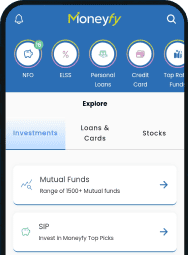

Start an SIP in minutes by signing up with the Tata Capital Moneyfy App. We are your one stop shop for all things investment.

 SMS sent successfully!
An SMS has been sent to XXXXXXX051
Click on the link in the message to download the Moneyfy App.



Looking for a seamless loan experience? Get the Tata Capital Loan App and Apply for loans, Download Account Statement/Certificates, Track your requests & much more.
SMS sent successfully!
An SMS has been sent to XXXXXXX051
Click on the link in the message to download the Moneyfy App.


Thank you for subscribing
We will send news and updates to your registered email ID


Fraudsters may impersonate Tata Capital representatives to offer fake job opportunities.
Tata Capital never charges recruitment fees or security deposits.
Exercise caution when responding to unsolicited job offers or interview calls.
Ensure all communication is only via our email domain: @tatacapital.com
Visit our website for authentic information.


rahul.sharma@gmail.com
















 Click allow button to receive notifications





 SMS sent successfully
