Get the Tata Capital App to apply for Loans & manage your account. Download Now

Blogs

SUPPORT

Tata Capital > Blog > What’s the Difference Between RuPay and Visa Card?

Personal Use Loan

What’s the Difference Between RuPay and Visa Card?

What’s the Difference Between RuPay and Visa Card?

According to reports, about 1.01 billion debit cards were circulating in India as of September 2022. If anything, this shows what a popular payment mode debit cards are.

Also called plastic money, debit cards eliminate the need for cash-based transactions. All one needs to do is swipe their credit card on a POS device or enter their card details to make a purchase online, and voila! The money gets debited instantly from the bank account.

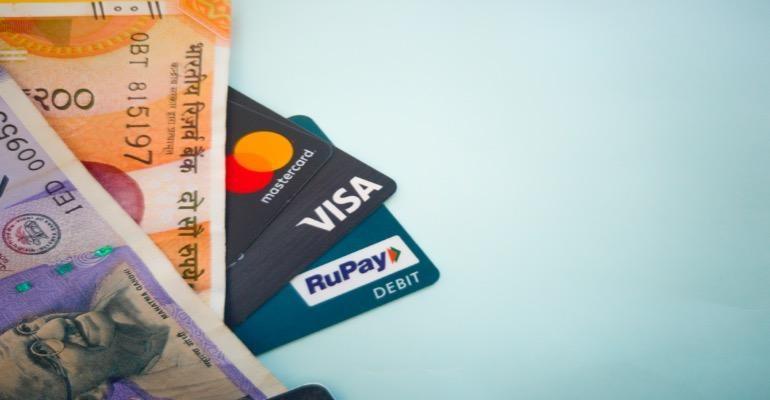
If you’re looking to get a debit card for this reason and have researched, you know you must choose one from the range of available card providers. The most popular ones being Visa and RuPay. Wondering what are the differences between the RuPay and Visa cards? Read on to find out.

What is a RuPay debit card?

All debit cards use a payment network to relay information about card transactions between the cardholder and the merchant. While there are many international payment networks, RuPay is a card network launched by the NPCI (National Payments Corporation of India), which has its own payment gateway. All the card transactions get processed domestically as well. This means lower transaction charges and faster transactions.

Launched originally to initiate a less-cash economy, today, over 1,100 financial institutions (public, private, co-operative, and rural) have partnered with RuPay to offer you debit cards. And you can get one from a financial institution of your choice.

Also, read – What Are The Different Types Of Credit Card?

Features of RuPay debit card

Secured and user friendly

RuPay cards are equipped with pin-based security and EMV chips to facilitate secure transactions. Additionally, these cards offer the utmost convenience as they are accepted at all domestic ATMs and various online and offline merchants, making your payments hassle-free.

Lower transaction fees

RuPay cards perform transactions over a domestic payment network. This means lower transaction fees for merchants and lower prices for customers transacting using these cards.

Added perks

On your purchases, you can gather reward points that can be redeemed for enticing cashback offers and savings on subsequent purchases. This gives your trades more value. Financial institutions provide cashback on purchases made at particular retailers or in particular categories, such as petrol, groceries, or internet shopping.

Benefits for travellers

Several card companies offer travel benefits on debit cards, including discounts of flight tickets and hotel bookings.

Also, read – Debit Card vs Credit Cards

RuPay International Card: Global Acceptance and Features

A RuPay international card offers convenient global spending through partnerships with Discover, Diners Club, and Japan Credit Bureau, enabling RuPay international acceptance across many countries. With coverage in regions such as the United States, China, Japan, Singapore, the UAE, and Sri Lanka, a RuPay Global Card allows secure payments and cash withdrawals at eligible international ATMs. It offers:

  • Security: EMV chip protection, tokenisation, and multi-factor authentication ensure safe transactions abroad.
  • Premium Benefits: Lounge access, merchant offers, and accident insurance are available on select variants from the lender.
  • Cost Efficiency: Competitive foreign exchange charges make international spending more economical.
  • Convenience: Contactless “tap and pay” support allows faster payments at global terminals.

Note: Not all RuPay cards are enabled for international use. You must have a Global or International variant and activate international transactions before travelling.

Also, read – Finding the Best Credit Card for Online Shopping

What is a Visa debit card?

This card is issued by a financial institution connected to the Visa (Visa International Service Association) payment network. Like the RuPay debit card, Visa uses its proprietary transaction network to help merchants and cardholders perform transactions. Plus, it is recognised widely internationally and has a strong presence in India as well.

Visa cards offer customers access to funds 24*7 and make transactions securely. But that’s not all.

Here are some additional features of the Visa debit card you should know about.

Features of Visa debit card

  1. Access to a widespread ATM network

With a Visa debit card, you never have to worry about being cash-strapped in India or abroad. With 1.9 million ATMs in 200 countries worldwide, you’re bound to find a Visa ATM to withdraw currency securely.

  • Transaction safety

Besides regular protection methods, Visa cards also offer a zero liability process through which you are always protected from unauthorised charges and constant monitoring to help you detect suspicious activity.

  • Top-notch customer assistance

If you lose your Visa debit card during your travels, you can request help from Visa’s Global Customer Assistance Service. Active 24*7, Visa’s customer service reps will assist you with card related issues instantly.

  • Visa benefits

Some Visa debit cards provide extra benefits, including travel insurance, extended warranty coverage for your purchases, protection in case of damage or theft, and even access to unique concierge services that can assist you with various needs.

Now that you know the features of RuPay and Visa cards, the obvious question is this – ‘Which card is best Visa or RuPay?’ Read this next section to find out.

Also, read – What is the Maximum Credit Limit on a Credit Card in India?

Security Features: How RuPay and Visa Protect Your Transactions

When it comes to card transaction safety, both RuPay and Visa prioritise protecting users from fraud. RuPay card security is reinforced through secure PINs, two-factor authentication, real-time monitoring, and online protection via RuPay PaySecure, ensuring that transactions remain safe. Visa card security offers robust features such as EMV chip technology, tokenisation, advanced fraud detection systems, and online protection through Visa Secure, safeguarding your payments across platforms.

While RuPay provides strong domestic protection with growing international coverage, Visa is widely accepted globally and offers extensive security protocols for international transactions. Understanding the differences between RuPay and Visa card security helps users choose the right card for safe, seamless financial transactions, and using these features responsibly further enhances the safety of their card transactions.

Also, read – Outstanding Balance: What It Means and How It Affects You?

Key Differences Between RuPay and Visa Cards

RuPay is an Indian domestic debit card network launched by the National Payments Corporation of India (NPCI). It is accepted at all ATMs and merchants in India. RuPay cards are typically issued by banks in India and are linked to Indian bank accounts. Visa, on the other hand, is an international debit card network. It is accepted in over 200 countries and territories around the world. Visa cards are issued by banks all over the world and are linked to bank accounts in various countries.

AspectRuPay debit cardVisa debit card
Processing FeeRuPay card transactions are relatively cheaper due to domestic processingVisa cards transactions are more expensive due to foreign processing
Speed of TransactionRuPay provides faster processingVisa has a slightly slower processing
Global AcceptanceRuPay cards are accepted domesticallyVisa cards are accepted domestically and internationally
Fee StructureRuPay cards have no entry fee or quarterly fee for banksVisa cards have quarterly fees and initiation fees for financial institutions
Primary CustomersRuPay cards were created to serve underserved consumers in rural areasVisa cards are popular in metropolises, tier I and II cities

Credit Cards: RuPay vs Visa Comparison

Understanding the RuPay credit card vs the Visa credit card and the difference between RuPay and Visa credit cards helps you choose the right card for your spending habits, rewards preferences, and financial needs.

FeatureRuPay Credit CardVisa Credit Card
AcceptanceMainly domestic usage across IndiaWidely accepted internationally
Transaction FeeGenerally lower, cost-effective for domestic spendingMay be higher, especially for international transactions
Rewards & BenefitsOffers competitive fees, cashback, and government-backed schemesProvides global rewards, travel perks, and premium benefits
SecuritySecure transactions with PIN and OTP verificationAdvanced security features including EMV chip and fraud monitoring
Ideal ForUsers who primarily spend within IndiaUsers who travel internationally or shop globally
Key DifferenceFocus on local convenience and cost-effectivenessFocus on global accessibility and premium benefits

Visa or RuPay: Which is better?

So, the debit card you choose depends on your specific needs and the transactions you make. If you primarily make transactions within India, then RuPay offers several advantages. It is designed to cater to the needs of typical Indian customers and is widely accepted within the country.

On the flip side, if you frequently travel abroad or make international transactions, Visa cards are more suitable. Visa has a global presence and is accepted in numerous countries worldwide. This flexibility allows you to use your card conveniently outside India and transact internationally.

Considering the difference between RuPay and Visa cards, you can choose the best one for you or even opt for having both if you can make the maximum of their usage.

Also, read – What are Finance Charges in Credit Cards?

In summary

RuPay and Visa debit cards allow you to make cashless transactions and provide liquidity quickly whenever needed. Their differences lie in how the transactions are processed, their usage, and the benefits specific card companies offer.

Looking for an alternative way to obtain quick liquidity without dipping into your savings? A personal loan can help you with such financing. And if you’re in the market looking for a lending partner, consider partnering with Tata Capital through our instant personal loan app for a quick & hassle-free experience.

We offer affordable personal loan interest rates, minimal documentation, and transparent terms. The best part? You can choose your repayment tenure based on your financial abilities and have the loans disbursed quickly, provided you meet all the eligibility requirements. Visit our website to learn more about our personal loan. And if you’re ready to get one with us, fill out our application form.

More About Loans

FAQs

Which is better, RuPay or Visa?

RuPay and Visa each have unique advantages. RuPay is widely used in India, offering lower transaction fees and faster processing within the country, while Visa has international acceptance and wider usage outside India, making it more suitable for international transactions.

What are the benefits of a RuPay credit card over Visa?

RuPay credit cards offer lower transaction fees and faster domestic processing due to their local infrastructure. They support UPI integration, enabling seamless digital transactions. Additionally, RuPay cards often include offers on local products and services, making them cost-effective for Indian users.

Can I convert my RuPay card to a Visa card?

You cannot directly convert a RuPay card to a Visa card because they are different card networks. To switch from RuPay to a Visa card, you will need to apply for a new Visa card. Contact your bank to apply for a new Visa card instead of a direct conversion.

Can Visa cards be used for UPI payments?

Visa credit cards don't directly support UPI payments. UPI is primarily integrated with RuPay due to its local infrastructure.

Is RuPay accepted in the USA?

RuPay cards are typically only used in India because they are domestic cards. However, RuPay also offers international cards that can be used to make transactions at POS and online and withdraw money from ATMs in the USA.

Is RuPay safer than Visa?

Both RuPay and Visa offer secure transactions with standard safety measures. RuPay's local processing adds a layer of security for domestic use, while Visa provides advanced international security features, especially for global transactions, making both equally secure within their operating zones.

How do the transaction fees of RuPay and Visa debit cards differ?

RuPay debit cards generally have lower transaction fees as they are processed within India, reducing intermediary costs. Visa, being an international network, incurs higher transaction fees, especially for cross-border payments.

Do RuPay and Visa cards offer the same security features?

Both RuPay and Visa cards prioritise transaction security through EMV chip protection and multi-factor authentication. RuPay adds tokenisation for safer domestic and international payments, while Visa provides robust fraud monitoring and global security protocols. Both ensure your transactions remain secure and reliable across networks.

What is RuPay International Card?

A RuPay International Card, also called a RuPay Global Card, enables global spending through partnerships with Discover, Diners Club, and JCB. It allows secure payments and cash withdrawals at international ATMs, with premium benefits such as lounge access, merchant offers, and accident insurance on select variants.

Is RuPay card accepted internationally?

Yes, RuPay Global cards are accepted in several countries through partner networks such as Discover, Diners Club, and JCB. They allow payments in the United States, China, Japan, Singapore, the UAE, and Sri Lanka, provided international transactions are activated before travelling.

What are the fees and charges of RuPay vs Visa cards?

RuPay Global and International Cards offer competitive foreign exchange rates and lower transaction charges, making international spending cost-efficient. Visa cards, while widely accepted globally, often involve higher cross-border fees and currency conversion charges, which may increase the overall cost of transactions abroad.