Get the Tata Capital App to apply for Loans & manage your account. Download Now

Blogs

SUPPORT

Tata Capital > Blog > Personal Use Loan > Use of Credit Card in India: A Journey

Personal Use Loan

Use of Credit Card in India: A Journey

Use of Credit Card in India: A Journey

Today credit cards are everywhere, flooding wallets across the globe. One does not even consider them a novelty item when they swap or tap their cards to pay for their shopping. But credit cards weren’t always plastic cards that made payments with a tap on a POS machine.

Credit cards have been around for over 70 years in one form or the other. First introduced as a piece of cardboard, credit cards are now contactless. But ever since their inception, credit cards have transformed the global economy, and India isn’t untouched by them either.

In this blog, we will look back at the use of credit cards in India. We will explore how and when they arrived in the country. But before moving forward to the evolution of credit cards in India, let’s trace back their original roots.

What is Credit Card 

A credit card is a payment tool that lets you borrow money from a bank to make purchases and repay it later through a monthly bill. Understanding what is the use of credit card in India is important because it helps you manage expenses, build credit history, and access short-term credit easily. The benefits of using credit card in India include cashback, rewards, discounts, EMI options, and secure payments. To get the best use of credit card in India, you should spend responsibly, pay bills on time, and use card benefits that match your lifestyle and financial goals.

Also, read – Outstanding Balance: What It Means and How It Affects You?

Types of Credit Cards 

There are several types of credit cards designed for different spending needs. 

Common credit card categories include:

  • Credit Cards for First-Time Users: Basic cards with simple features and low annual fees. Good for people who are using a credit card for the first time.
  • Credit Cards for Low-Income Earners: Affordable cards that charge little to no annual fees and offer benefits that suit limited budgets.
  • Travel Credit Cards: These cards give extra benefits while travelling, like airport lounge access, bonus reward points, and special deals with travel brands.
  • Shopping Credit Cards: Made for frequent shoppers, these cards offer rewards or cashback on online and offline shopping and give special discounts.
  • Airline Credit Cards: Launched with airline companies, these cards help you save on flights through air miles, discounts, and travel upgrades.
  • Rewards Credit Cards: They offer reward points on most spends, and extra points on certain categories like dining or groceries.
  • Cashback Credit Cards: Instead of reward points, these cards give direct cashback on eligible purchases, which reduces your monthly bill.

Such credit card variants help consumers pick the kind of credit card that fits their financial habits.

Also, read – What is the Maximum Credit Limit on a Credit Card in India?

Benefits of Credit Cards

In case you’re wondering why use credit cards, we’re here to tell you that the benefits of credit card in India start with the primary convenience of “Buy Now and Pay Later.” 

Not just that, credit card perks range from convenience to rewards. Key advantages of credit cards include interest-free periods, cashback, reward points, and exclusive discounts on travel, dining, and shopping. Many cards come with EMI conversion, making large purchases easier to manage. 

Additional credit card features often include airport lounge access, insurance cover, and fuel surcharge waivers. Used responsibly, credit card benefits extend to building a strong credit score, improving financial flexibility, and providing secure, traceable payments, making them a valuable tool for everyday spending.

Also, read – What are Finance Charges in Credit Cards?

Best Ways to Use a Credit Card Smartly

The benefits of using credit card in India go beyond convenience. When used properly, it becomes a powerful financial tool. To get the best use of credit card in India, you need to understand what is the use of credit card in India: building credit, earning rewards, and managing payments smoothly. 

Here are some simple ways to practise smart credit card usage every day:

  • Pay your full bill on time to avoid interest
  • Keep your utilisation below 30% to manage credit card smartly
  • Use rewards, cashback, and offers that match your spending
  • Enable alerts to track expenses and due dates
  • Avoid cash withdrawals and unplanned EMIs
  • Review statements monthly to stay in control

Following these credit card usage best practices ensures you not only enjoy rewards but also protect your financial health. When you know how to use credit card wisely and follow the credit card tips listed above, it becomes a safe and effective way to manage money in India.

Also, read – 10 Reasons Why Your Credit Card Was Rejected Even with A Good Credit Score

Tracing the modern credit card history

Modern credit cards have a fascinating story. Like most inventions, it was an individual’s quest to solve a problem once and for all. We can trace back the genesis to the moment in 1949 when a man forgot his wallet at home.

In 1949, Frank McNamara, a New York City businessman, was at New York City’s famous restaurant Major’s Cabin Grill. He forgot his wallet at home and couldn’t pay the bill. Luckily, his wife saved him and paid the bill. McNamara determined never to face this embarrassment again, got the idea of a first credit card.

He, along with Ralph Schneider, founded the Diner’s Club, the world’s first credit card. The Diner’s Club began with cardboard cards for a few selected men at 27 restaurants. Although Diner’s Club credit cards were elite, they were tailored with cardboard.

But then came the era of credit cards as we know them today, and all sorts of plastic credit cards flooded the world.

To its credit, American Express introduced the first plastic credit card in 1959, followed by Bank of America, Carte Blanche, Diner’s Club, and other new credit card firms. Then, in 1969, IBM engineer Forrest Parry devised the modern magnetic strip that could be attached to a plastic card.

As imprinting got replaced by magnetic strips, credit cards with computer chips are replacing magnetic stripes. Embedded computer chips, known as EMV smart chips, enable encrypted, two-way authentication between a merchant’s credit card terminal and the payment processing network. They created trust and reliability among credit card users.

Also, read – What is Credit Appraisal

History of use of credit card in India

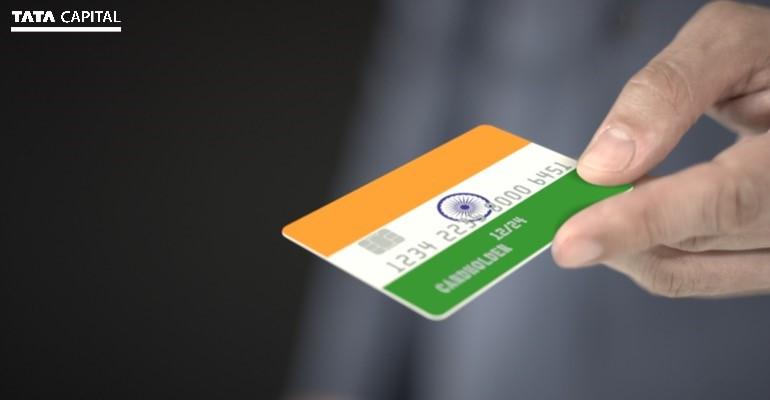
The introduction of credit cards in India was the beginning of a new era which changed the face of the Indian economy completely. Kali Mody was the first businessman from India to introduce the Diners Club credit card in India in 1961, a year after it was initially made available globally. Later, the Central Bank of India issued the first bank credit card in 1980.

But Andhra Bank was the one which aroused the public interest in credit cards with its Visa cards. To compete with the growing popularity of Visa cards, Vijaya Bank introduced Mastercard and became the first bank in India to do so.

Even back then, it was not easy to qualify for a credit card in India unless your income lies within the annual minimum capacity. But, between 1988 and 1993, against the constraints, multiple PSU banks took the bold step of giving credit cards to many of their selected clients.

Also, read – Cash Credit Loan

Future of credit cards in India

Credit card acceptance in India was initially in the dark shadow, which slowly started to soar over time. People have started showing interest in credit cards as they were offered more benefits than debit cards. Also, the growing financial literacy among the youth is driving this change.

Approximately Rs 6 lakh crore was spent in 2018-19 using credit cards in India, which was 30% more than in 2017. However, due to the COVID-19 pandemic, credit card transactions fell drastically from March to May 2020.

But, as the economy got back on track, credit card usage increased. According to the stats, the use of credit cards in India has been estimated for more than 6.78 lakh ATM transactions and approx. 12.1 crore POS transactions in June 2022.

The popularity of credit cards in the mainstream Indian population is gradually increasing. It is predicted to rise continuously by 2.6 million cards between 2023 and 2028. The forecast shows there will be approx. 45.3 million cards in use in 2028.

Another reason why the use of credit cards is increasing is the sheer number of issuers in the country. Today, one is not restricted to only banks to get a credit card. Currently, NBFCs are gaining popularity by providing credit on e-commerce and other platforms to customers with perfectly tailored no-cost or low-cost EMI options.

Besides, there is a wave of fin-tech startups onboarding younger clients into the credit card ecosystem. They rely on tech and mobile apps to make credit convenient and offer tons of rewards to users.

Conclusion

A credit card in India has historically been viewed as a debt trap tool due to cultural restrictions and a lack of financial awareness. However, the young generation is firmly committed to altering this paradigm by raising knowledge that they understand the practicality of using a credit card in India. They use their cards for daily purchases, online shopping, and bulk payments.

Traditionally, the Indian credit industry was mostly traditional banking oriented. But now, NBFCs are changing the scenario with new innovative products and initiatives, offers, rewards, low interest and processing fees.

We at Tata Capital offer credit cards tailored to your unique needs. You get low-interest rates, balance transfers on EMIs, flexible payments, and enjoy hassle-free and easy repayment options. Besides, you can apply for credit cards online and avail of services like online payment and NEFT.Visit our website today to find a credit card compatible with your needs.

More About Loans

FAQs

What is the main purpose of a credit card?

The main purpose of a credit card is to let you make purchases on credit and repay later. It helps manage expenses, build credit history, and access short-term funds conveniently.

Are credit cards useful and convenient for everyday shopping?

Yes, credit cards are very convenient for daily shopping. They offer quick payments, rewards, cashback, and better tracking of expenses. When used wisely, they enhance the benefits of using credit card in India for both online and offline purchases.

Do credit cards offer advantages while travelling internationally?

Yes, many credit cards provide international travel benefits like airport lounge access, forex mark-up discounts, travel insurance, and reward points. These features make them useful tools for frequent travellers.

What types of insurance benefits are provided with a credit card?

Credit cards often include travel insurance, flight delay cover, lost baggage protection, purchase protection, and fraud liability cover. Premium cards may offer additional travel-related insurance benefits.

Can using a credit card affect your credit score?

Yes, responsible credit card use can improve your credit score. Missed payments or overspending can lower it. Smart usage influences your financial profile significantly.

Is using a credit card considered a smart financial choice?

Yes, using a credit card can be smart if you pay bills on time and avoid overspending. It offers rewards, convenience, and credit-building benefits. Responsible use ensures you get the best use of credit card in India.