Get the Tata Capital App to apply for Loans & manage your account. Download Now

Blogs

SUPPORT

Tata Capital > Blog > Loan for Business > What is the Role of Balance Sheets in Getting a Business Loan?

Loan for Business

What is the Role of Balance Sheets in Getting a Business Loan?

What is the Role of Balance Sheets in Getting a Business Loan?

When you borrow a business loan, you may be asked to furnish the following documents:

  • Bank statements
  • Latest ITR
  • Balance sheet
  • Profit and Loss Account

Of the documents mentioned above, lenders review a company’s balance sheets for the last year or more to evaluate its financial profile and growth curve. This assessment helps them arrive at a company’s business loan eligibility

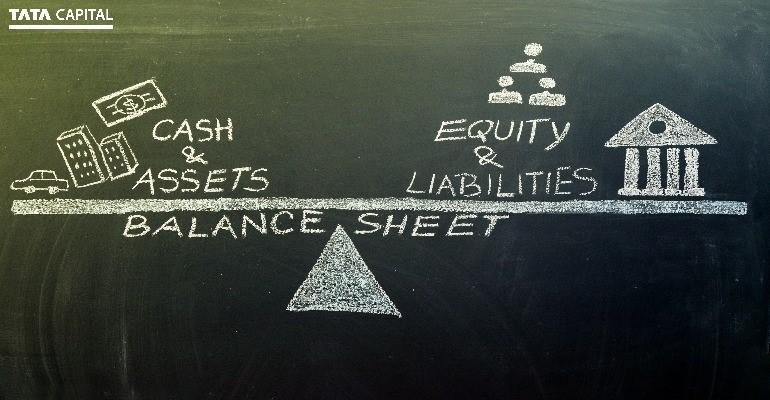
The business loan balance sheets act as a snapshot of the company’s financial stability, providing crucial information on assets, shareholders’ invested capital/equity, and liabilities. As such, the document keeps a record of what your company owns and what it owes (outstanding debt) at any point in time.

Financial institutions typically use your balance sheets to gain a fair idea of your business’s creditworthiness, allowing them to determine the balance sheet loan amount your business is eligible for. Thus, no matter what your funding requirements are, you’ll need a robust balance sheet for loan approval.

What is a Balance Sheet? Definition and Key Elements

A balance sheet is a financial statement that shows a company’s financial health at a specific point in time. It helps business owners, lenders, and investors understand what a business owns, what it owes, and how much money the owners have invested. This statement is important for tracking financial health and making informed decisions.

Business owners use the balance sheet to study their capital structure, calculate financial ratios, and judge how stable the business is.

A balance sheet has two main parts:

  • Assets: These are everything the business owns that has value. It is further classified into current assets (cash, inventory, and money to be received soon) and non-current assets ( property, machinery, equipment, etc.)
  • Liabilities: Liabilities are amounts that the business must pay. It is also divided into current and non-current. Current liabilities include payments that are due within one year. Non-current liabilities include long-term debt and loans in the balance sheet.

Why Balance Sheets Matter for Business Loan Approval

A balance sheet is one of the first documents lenders check when you apply for a business loan. It shows what your business owns, what it owes, and how much the owners have invested. This helps lenders understand your financial strength at a specific point in time.

Banks use the balance sheet to judge how well you manage money and assets. A well-prepared balance sheet for a loan also shows whether your business can handle new debt without stress.

Here is what lenders usually look at:

  • Assets and their quality

Cash levels, unpaid customer bills, inventory, and the value of fixed assets show how easily money can be raised if needed.

  • Liabilities structure

Lenders check short-term dues, supplier payments, and long-term loans in the balance sheet to see your repayment burden.

  • Equity position

Owner investment and retained profits reflect how much risk you have taken in the business.

  • Working capital strength

This shows if your business can meet daily expenses and short-term obligations smoothly.

How Lenders Review Your Business Balance Sheet for a Loan

When reviewing your business’s overall financial stability, a lender primarily considers three financial reports: profit and loss statement, cash flow forecast, and business loan balance sheet. For loan application approval, all three financial documents must show a positive trend. 

Financial institutions also use your company’s financial records to determine how much money they should lend, including the business loan interest rate and repayment terms. This assessment primarily helps them determine the risk of lending a balance sheet loan to your company. 

Moreover, when reviewing your company’s business loan balance sheets, lenders consider the following:

Asset considerations –

Lenders will compare the balances of cash and accounts receivable from one period to another and determine your account turnover rate. They also check how liquid your assets are to know how much operational cash you have. And assess how well you use your assets to generate revenue and repay the debt.

Liability considerations –

Lenders will evaluate both your short-term liabilities (rent, payroll, etc.) and long-term liabilities (outstanding loans, deferred taxes, etc.) to check your credit repayment capacity.

Unbalanced balance sheets, where liabilities are more than assets, are often viewed unfavourably by the lenders, making it difficult for a company to qualify for business credit. 

Thus, to optimise your financial position, you must pay due diligence to keep your company’s balance sheets up-to-date and accurate. Only then can you show robust financial health to the lenders and avail the necessary funds without difficulty. 

So, if you already boast of excellent financial health, use an online business loan calculator to determine the exact amount of funds you can obtain from a finance company.

Key Balance Sheet Ratios That Impact Loan Eligibility

Banks and lenders use balance sheet ratios to judge how safe it is to lend money to a business. These ratios turn financial data into clear signals about risk and repayment ability. Some of the most important ratios include:

Debt-to-Equity Ratio: What Lenders Look For

The debt-to-equity ratio shows how much debt a business uses compared to the owner’s investment. It helps lenders understand whether the company depends more on borrowed money or its own funds. A lower ratio means the business relies less on loans, which reduces risk for lenders. A very high ratio can signal financial stress, as too much debt increases repayment pressure.

Lenders usually prefer businesses where owners have invested sufficient capital, as it shows commitment and long-term stability. This ratio plays a key role in deciding loan approval, amount, and interest rate.

Current Ratio: Assessing Short-Term Financial Health

The current ratio measures a business’s ability to pay short-term liabilities using short-term assets. It compares items like cash, bank balance, inventory, and receivables against dues payable within a year.

A ratio above 1 means the business has enough assets to cover its immediate obligations. This reassures lenders that loan repayments will not be delayed due to cash shortages. A very low ratio suggests poor liquidity and higher default risk. Lenders use the current ratio to judge day-to-day financial health and ensure smooth business operations after loan approval.

How to Prepare a Balance Sheet for Loan Applications in India

Preparing a balance sheet properly improves your chances of getting a business loan in India. It helps lenders clearly understand your financial position. 

Follow these simple steps:

1. List All Assets

Note everything your business owns. This includes cash, bank balance, inventory, machinery, equipment, land, or buildings. Separate items you can quickly convert to cash from long-term assets.

2. List All Liabilities

Mention all amounts your business owes. Include short-term dues like supplier payments and taxes, as well as long-term borrowings and loans, in the balance sheet.

3. Calculate Equity

Subtract total liabilities from total assets. This shows the owner’s investment and retained earnings in the business.

4. Check Accuracy

Ensure all figures match your books of accounts, bank statements, and trial balance to avoid errors.

5. Use a Clear Format

Present the business loan balance sheet neatly with proper headings and dates so lenders can review it easily.

Tips for a Loan-Ready Balance Sheet in India

A business loan balance sheet helps lenders trust your business and make faster decisions. Keep these tips in mind:

  • Maintain Accuracy: Enter correct figures and back them with bills, bank statements, and records. Wrong or misleading data can lead to rejection and legal trouble.
  • Use Recent Data: Always submit the latest balance sheet. Old figures do not reflect your current financial position.
  • Keep it Clear: Use a clean format with clear headings so lenders can review details easily.
  • Match Other Records: Ensure numbers match your tax returns and profit and loss statement to avoid delays.

Common Balance Sheet Mistakes That Lead to Loan Rejection

When applying for a balance sheet loan, your balance sheet must be accurate and reliable. Lenders often reject applications if they spot errors or inconsistencies. Some common mistakes include:

  • Data Inconsistencies: If your balance sheet doesn’t match other financial records, it raises doubts about the accuracy of your statements. Even small discrepancies can harm credibility.
  • Overstated Assets: Inflating the value of your assets to appear financially stronger can backfire. Lenders may see this as misleading and may reject your loan.
  • Undisclosed Liabilities: Hiding debts or obligations is risky. If lenders discover undisclosed liabilities, they may consider your business unreliable and deny the balance sheet loan.

You can avoid these mistakes by:

  • Conducting regular audits to ensure all numbers are correct.
  • Using accounting software to reduce human errors.
  • Getting help from financial professionals.

Conclusion

If you have been looking for a suitable finance solution for your business, then your search ends at Tata Capital. With us, you can secure quick business loans, customised to meet your business-specific needs and budget constraints efficiently.

Besides, if you are concerned about what your EMI commitments will look like, you can rely on our easy-to-use business loan EMI calculator. So, why wait? Get in touch today!

More About Loans

FAQs

What is a balance sheet loan, and how is it different from other business loans?

A balance sheet loan is given based on your business’s financial health, as shown in its balance sheet, unlike other loans that may rely more on cash flow or collateral.

What ratios on a balance sheet do lenders check before approving a business loan?


Lenders usually check debt-to-equity, current ratio, quick ratio, and profitability ratios to assess financial stability and repayment ability.

How recent should my business balance sheet be for a loan application in India?


Most lenders prefer a balance sheet prepared within the last 6–12 months for an accurate assessment of your current financial position.

Can errors in my balance sheet lead to business loan rejection?


Yes. Mistakes, inconsistencies, or missing information can reduce credibility and may result in loan rejection.

How can I make my balance sheet more attractive for loan approval?


Keep it accurate, up-to-date, transparent, and show strong liquidity and manageable debt levels to impress lenders.