Starting a wholesale business can be a lucrative venture. But the real challenge is understanding how to start a wholesale business in India. This process usually involves purchasing products in bulk at discounted rates. These can then be resold to retailers at a higher price, allowing business owners to make a profit. This article will explore how to start a wholesale business in India.
Best Wholesale Business Ideas in India for 2026
Here are some of the best wholesale business ideas worth considering in 2026:
1. Food and Grocery
If you want stability, food and grocery wholesale is your best bet. With busy urban lifestyles, quick-commerce apps like Blinkit and Zepto taking over, and organised retail chains expanding everywhere, there’s never been a better time to get into this space. You can focus on packaged foods, daily staples like rice and pulses, frozen items, or popular FMCG products.
2. Textile and Garment
India’s textile and garment wholesale sector continues to thrive due to strong domestic consumption and global exports. You’ve got options everywhere: ready-made clothing for the fashion-forward crowd, ethnic wear that flies off shelves during wedding and festival seasons, or even sustainable fabrics that eco-conscious buyers are increasingly seeking. You can supply to local retailers, trendy boutiques, or even online sellers who are always hunting for reliable wholesale partners.
3. Home and Kitchen Appliances
With rising disposable incomes and urban households, demand for home and kitchen appliances is growing steadily. This creates a golden opportunity for you in wholesale distribution. Small appliances are affordable enough that people buy them regularly. Plus, with more nuclear families and modern kitchens becoming the norm, this demand isn’t going anywhere.
4. Beauty and Personal Care Products
India is the world’s fastest growing beauty and personal care market. Rising disposable incomes, urban lifestyles, and increasing awareness of grooming and self-care are driving this demand. Products like skincare, haircare, cosmetics, and personal hygiene items witness consistent, repeat purchases, making this segment one of the best wholesale business ideas.
Also, read – 25 Best Business Ideas in India 2025
How to Choose the Right Wholesale Niche
Choosing the right niche is a crucial part of understanding how to do wholesale business successfully and sustainably.
Here are some tips on how to start supply business in India in the right niche:
1. Analyse Market Demand
Research current market trends and consumer demand, and look for products with consistent or growing demand. Identify gaps in the market where customer needs aren’t fully met.
2. Assess Your Interests and Expertise
Choose a niche that aligns with your knowledge, passion, or experience. Your familiarity with the industry will help you understand customer needs, identify quality products, and build credibility with buyers.
3. Evaluate Profit Margins
Calculate potential profit margins by researching wholesale costs versus retail prices. Look for niches where you can maintain healthy margins after accounting for shipping, storage, marketing, and operational costs.
4. Consider Competition Levels
Analyse the competitive landscape. Extremely saturated markets may be difficult to enter, while zero competition might indicate lack of demand. Seek niches with moderate competition where you can differentiate through better service, specialisation, or unique value propositions.
5. Check Supply Chain Reliability
Ensure reliable suppliers with consistent product quality, reasonable minimum order quantities, and dependable delivery times. Diversify suppliers when possible to avoid disruptions. Moreover, consider proximity to suppliers and shipping costs in your niche selection.
Also, read – How to Raise Funds For Startup Business in India
Steps to starting a wholesale business
Starting a wholesale business can seem overwhelming, but it can be broken into a few more manageable steps. These include conducting market research, setting up your office or warehouse, finding your suppliers, obtaining the necessary licenses and permits, and monitoring and adjusting your plan as you grow.
Let’s take a more detailed look into how to become a wholesaler:
Step 1: Conduct market research
The first step to setting up your wholesale business is conducting thorough market research. This includes:
– Suppliers
– Manufacturers
– Retailers
– Potential customers
– Products and prices
– Competitors
– Strategies
Step 2: Set up your office and warehouse
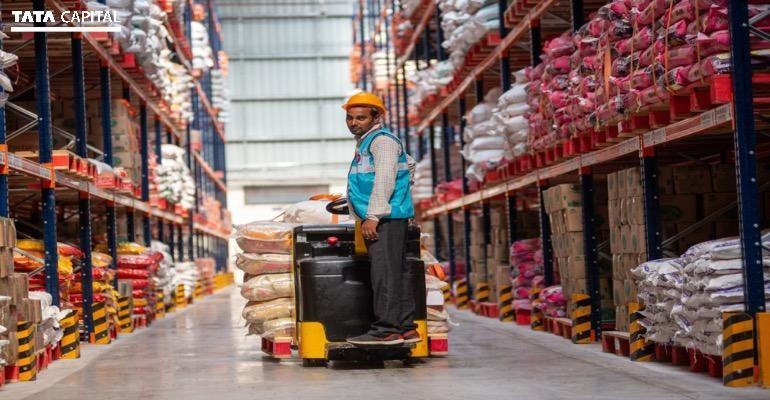
The next step is to find your office, storage facilities, or a warehouse to store your products. This step will also require finding and hiring reliable, efficient, and honest staff.
Step 3: Find suppliers
Next, it is crucial to find reliable suppliers that align with your requirements. This can be done by researching:
– Trade shows
– Online directories
– Consulting your network
It is also crucial to thoroughly vet your suppliers and ensure they are trustworthy. This involves checking their:
– Licenses
– Work permits
– Legal paperwork
Step 4: Obtain the required licenses and permits
When understanding how to start a wholesale business in India, it is crucial to consider the permits and licenses you need to obtain. These include:
– A business license
– GST registration
– Any other permits required by your local government.
Step 5: Set up your wholesale business
After all the legal formalities and paperwork, you can start a wholesale business. Now, you can look forward to:
– Creating a business plan
– Discussing payments with retailers
– Setting up a system for accounting, record-keeping, and inventory
– Investing in inventory and accounting software
Step 6: Monitor and adjust
Now that you understand how to start a wholesale business monitoring its performance and making the required adjustments is crucial. This could involve:
– Adjusting your product mix
– Identifying new markets
– Increasing sales and profitability
Also, read – How to Start a Tailor Shop Business in India?
Essential Licenses & Permits for Wholesale Businesses in India
To make sure there are no legal complications or hefty penalties in the future, it’s important to obtain necessary licenses and permits.
These include:
1. Business Registration: You need to register your business structure, whether as a sole proprietorship, partnership, LLP, or private limited company.
2. Shop & Establishment License: Issued by state governments under the Shop and Establishment Act, this license is mandatory for any office, store, or commercial establishment.
3. Trade License: Granted by local municipal authorities, this license is required for businesses engaged in trade, services, or manufacturing within municipal limits.
4. GST Registration: Mandatory if your annual turnover exceeds ₹40 lakhs (₹20 lakhs for certain states and services). GST registration is essential for tax compliance and proper billing.
5. FSSAI License: Issued by the Food Safety and Standards Authority of India, this license is mandatory for businesses dealing in food processing, packaging, storage, or sale.
6. Import Export Code (IEC): IEC is mandatory for businesses engaged in import or export of goods and services. Without this code, you cannot legally ship products internationally or receive foreign payments.
7. Udyam/MSME Registration: This registration is for MSMEs and provides access to government schemes, subsidies, and priority sector lending.
Also, read – 10 Business Ideas for Senior Citizens
Types of Wholesale Business in India
There are multiple options that you can choose from when looking for how to start a wholesale business. Here are the top 4 wholesale business opportunities that are popular in India-
Textile business
The textile wholesale space in India is the most profitable one and offers a variety of options. From clothing to sewing materials, you can choose a niche that interests you and start your business.
Jewellery business
Be it festivals or special occasions, most Indians turn towards jewellery. As a result, this business is always in demand. But remember, it is capital-intensive, which means it can be slightly expensive to become a wholesaler.
Organic food business
More and more consumers are turning to healthier food options in recent years, boosting the demand for organic products. This makes now an excellent time to enter this industry with a new wholesale business.
Ayurvedic products
You don’t need any license to enter the ayurvedic wholesale market, making it a lucrative option for new wholesalers. What’s more? You can even sell your ayurvedic products internationally without much restriction.
Also, read – 15 Best Small Business Ideas in Assam
Top Wholesale Marketplaces & Platforms in India
Wholesale marketplaces can be both online and offline. They are basically a place where businesses can buy and sell in bulk. If you’re learning how to become a wholesaler, understanding these marketplaces is a crucial step.
Online wholesale marketplaces are digital platforms that connect manufacturers, distributors, and wholesalers with retailers and bulk buyers. These platforms allow businesses to browse catalogues, compare prices, place bulk orders, and manage transactions electronically without physical presence.
Offline wholesale markets are physical trading hubs or marketplaces where wholesalers, distributors, and traders operate from shops or warehouses. Buyers visit these locations to inspect products, negotiate prices face-to-face, and purchase goods in bulk quantities.
Some of the top wholesale marketplaces and platforms in India include:
- IndiaMART: B2B marketplace connecting buyers with suppliers across all categories.
- TradeIndia: Another B2B platform for bulk buying and selling with verified suppliers.
- Udaan: B2B e-commerce platform focused on connecting manufacturers with retailers.
Some popular offline wholesale marketplaces are:
- Sadar Bazaar, Delhi: One of Asia’s largest wholesale markets for textiles, home goods, and general merchandise.
- Mangaldas Market, Mumbai: Famous for fabric and textile wholesale.
- Burrabazar, Kolkata: One of India’s oldest wholesale markets for general merchandise.
Also, read – 10 Best Business Ideas in Bangalore
How to Vet Reliable Suppliers in India
Finding trustworthy suppliers is central to the success of your wholesale business ideas. Here’s are some tips to help you evaluate supplier reliability in the Indian market:
1. Check if suppliers hold relevant certifications that demonstrate quality standards and ethical practices. Look for ISO certifications, Fair Trade certifications, or industry-specific certifications if applicable.
2. Understand the supplier’s production and delivery timelines to ensure they align with your business needs. Confirm whether they can meet your deadlines consistently, especially during peak seasons.
3. Make sure the supplier’s Minimum Order Quantities (MOQs) fit within your budget and cash flow constraints. Ordering more than you can afford or store creates financial strain, while quantities that are too small might not be cost-effective
4. Check what other buyers are saying about the supplier, particularly on independent third-party platforms.
5. A supplier’s communication style reveals a lot about how they’ll handle your business relationship. Pay attention to how quickly they respond to inquiries and whether their answers are clear and detailed.
Also, read – 15 Business Ideas In Goa
Leveraging Technology for Wholesale Operations
Complementing your wholesale business with emerging technological innovations gives you a competitive edge and helps you scale efficiently. Here’s how technology changes wholesale operations:
1. Warehouse Management Systems (WMS)
These systems help you track inventory, manage orders, and organise your warehouse more efficiently. You’ll know exactly what’s in stock, where it’s located, and can fulfil orders faster with fewer mistakes.
2. Smart Inventory Tracking
Involves use barcode scanners or RFID tags to keep tabs on your products in real-time. This prevents stockouts, reduces overstocking, and helps you make smarter purchasing decisions based on actual demand.
3. Data Analytics Tools
These tools can turn your sales data into useful insights. They can spot trends, understand what customers want, and help you make informed decisions about pricing and product offerings.
4. AI Forecasting
Artificial intelligence can predict future demand by analysing your sales history and market patterns. This helps you stock the right products at the right time, cutting waste and keeping customers happy.
Tips for running a wholesale business
Once you’ve learned how to do wholesale business, the next step is optimising operations, marketing smartly, and scaling efficiently. There are some tips you can follow to ensure you have one of the best wholesale businesses.
These include:
1. Expand your services and product lines
Expanding your products and services can help you increase overall sales by catering to a broader audience. For example, if you specialise in selling electrical products, you could expand your business to offer plumbing materials, construction goods, tools, and more. It is vital to listen to your customers and identify any gaps that need to be filled.
2. Invest more in marketing
In today’s age, marketing and social media are some of the best ways to get people to know about your brand. Conduct deep research about your customers and determine what marketing efforts will best appeal to them. This could involve email campaigns, social media, traditional advertising, website optimisation, etc.
3. Hire competent employees
Hiring additional skilled employees can help you expand your business. This could involve expanding your existing teams or even creating new positions to improve sales and productivity. For example, sales managers, tech specialists, stock clerks, administrative assistants, accountants, and more.
4. Invest in technology
Cutting-edge technology can be a crucial factor in helping your business grow. New-age tech can help with better inventory management, cloud technology, customer management software, and more. All these can improve your operational efficiency, customer satisfaction and retention, and sales.
Conclusion
Starting a trading business in India requires careful planning and a strong market understanding. But it is also a rewarding field. Whether you’re learning how to start supply business in India or expanding an existing operation, wholesale trading offers long-term growth potential.
You can easily get started without a lot of capital or legal formalities based on the type of business you select. However, getting a business loan is the most convenient if you require a heavy capital investment. At Tata Capital, we offer the industry’s best interest rates and flexible repayment options. Visit our website to apply today.
FAQs
Some of the most profitable wholesale businesses to start in India are textiles, food products, and beauty products. These products are always in high demand, ensuring profitability for business owners who are wondering how to open a wholesale business.
Starting a wholesale business, like any other business, requires funding to some extent. The amount of funds needed would depend on your niche. However, the investment does not necessarily need to be a burden if the business starts generating high-profit margins.
Yes. If you are wondering how to start a wholesale business, the Government of India has some schemes entrepreneurs can use. For example, the Micro Units Development and Refinance Agency (MUDRA) Bank provides loans to entrepreneurs, startups, and small businesses.
Wholesale business refers to buying goods in large quantities directly from manufacturers and selling them to retailers. These products can be sold to retailers at a higher price, allowing wholesale businesses to profit.
Wholesale businesses buy products from manufacturers in bulk at discounted rates. They then sell these products to retailers for a higher price, generating a profit.
An example of a wholesale business could be a medical equipment distributor. This business would buy equipment like wheelchairs or hospital beds from the manufacturer and then sell these to hospitals, medical clinics, and health centres for a profit.
It really depends on what you plan to sell and how big you want to start. You can launch a small wholesale business with ₹1–5 lakhs, while larger operations may need ₹10 lakhs or more.
Some of the most profitable wholesale business ideas include food and grocery, textile, automobile, beauty and cosmetics, and jewellery business.
At Tata Capital, you can secure business loans up to Rs. 90 lakhs. You also get the benefit of flexible loan tenures, minimum documentation, quick disbursal, and attractive interest rates.
Challenges that you may encounter include difficulty in managing bulk orders, inventory management, offering competitive pricing, and building strong suppliers’ and retailers’ relationships.
You can protect your wholesale brand by registering your trademarks and using authorised dealer agreements to control who sells your products.





 02 January 2026
 12 mins read

 Previous Post