Get the Tata Capital App to apply for Loans & manage your account. Download Now

Blogs

SUPPORT

Tata Capital > Blog > Credit Score > What is LSS in CIBIL Report, and how does it affect your credit score?

Credit Score

What is LSS in CIBIL Report, and how does it affect your credit score?

What is LSS in CIBIL Report, and how does it affect your credit score?

Lender Settled Status (LSS) in a CIBIL report shows that a loan was closed after the borrower paid less than the total outstanding amount. While it can provide temporary financial relief, it may affect the credit score and future loan approvals. Understanding how LSS works helps borrowers manage their credit profile more effectively. Regularly checking the credit report, making timely payments, and maintaining healthy financial habits can gradually reduce the impact of an LSS entry. Over time, disciplined credit behavior can help rebuild creditworthiness.

LSS (Lender Settled Status) is a remark in a CIBIL report indicating that a loan was settled for less than the full amount due, following an agreement between the borrower and the lender.

An important aspect of applying for a loan is understanding how credit reports work and how they affect the borrowing process. Loan applications involve a thorough background check of your borrowing and repayment history through the credit report. A credit report is a crucial tool for lenders to gauge your creditworthiness.

One critical detail in the credit report is the Lender Settled Status (LSS), which shows that the borrower has settled the loan for a lower amount after negotiating with the lender.

It’s important to understand the effects of LSS on creditworthiness when you come across it in a CIBIL report. Although settling off a loan can relieve financial strain right away, it has a long-term effect on your credit report.

In this article, we will explore everything you need to know about LSS in a CIBIL report and why it is important.

What is LSS in a CIBIL report?

In a CIBIL report, LSS stands for “Lender Settled Status.” It indicates that the borrower has settled a debt with the lender by paying an amount less than the total outstanding balance. This usually occurs when the borrower is unable to repay the full loan due to financial difficulties or disputes and negotiates with the lender to close the account by paying a reduced amount.

While this may resolve the immediate debt issue, an LSS remark can negatively impact the borrower’s credit score and future borrowing prospects, as it shows a partial settlement rather than full repayment.

Read More – What Does a 777 Credit Score Mean

How does LSS work in the CIBIL reporting system?

The LSS is generated by analyzing different pieces of information available in a borrower’s credit profile. It uses data analytics and internal scoring models to help lenders assess an applicant’s overall creditworthiness. Instead of focusing on just one factor, the system considers several aspects of a person’s financial behavior before arriving at the score.

Some of the main factors that influence the LSS in the CIBIL report are:

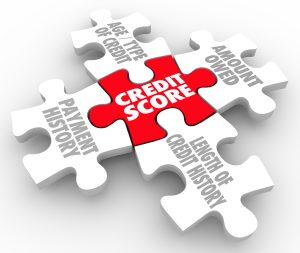
  • Credit history: The system reviews your past borrowing and repayment record. Paying EMIs and credit card bills on time usually has a positive effect, while defaults and frequent delays can reduce the score.
  • Debt-to-income ratio: Lenders also look at how much of your income is already being used to repay existing loans. A higher debt burden may indicate lower repayment capacity.
  • Credit utilization: The percentage of your available credit that you regularly use is another important factor. Very high credit utilization may suggest financial pressure.
  • Other parameters: The LSS model may also take into account factors such as employment history, demographic details, and the types of credit products you have used in the past.

What does the LSS status mean for you as a borrower?

An LSS in a CIBIL report indicates that the borrower did not repay the entire loan amount. Instead, the loan was settled after the lender agreed to accept a lower payment. In simple words, the lender had to take a loss on the loan to close the account. This is why lendersview the CIBIL LSS meaning differently from a loan that has been fully repaid.

If there is an LSS tag on your CIBIL report, it can have several effects:

  • Future lenders may become cautious because the record shows that a prior loan was not fully repaid.
  • Loan approval may become more difficult as some banks and financial institutions prefer borrowers with a clean repayment history.
  • Interest rates may be higher because the lender sees the application as riskier.
  • The loan amount offered may be lower than what you originally expected.
  • Additional documents or guarantees may be requested before the lender approves the application.

However, an LSS status does not mean that getting a loan in the future is impossible. Borrowers can gradually improve their credit profile by making future payments on time and maintaining a healthy repayment record.

Read More – How Much CIBIL Score Required For Personal Loan

Why is LSS in the CIBIL Report Important?

LSS (Lender Settled Status) can significantly affect your creditworthiness. Its importance lies in two key areas:

1. Impact on credit score

A loan repayment default (LSS) is a negative mark on your credit report that shows that you did not fully repay a loan. The paid amount, settlement duration, and overall credit history are some of the elements that determine how much of an influence it will have on your credit score. However, regardless of these factors, an LSS remark generally lowers your score, making it harder to obtain loans or secure favourable terms in the future.

Also Read – How Micro Credit Works

2. Long-term implications

An LSS remark stays on your CIBIL report for seven years, affecting your ability to access credit over the long term. During this period, lenders may hesitate to approve your loan applications, limiting your financial flexibility.

For example, If you plan to apply for a home loan two years after settling a previous debt, the LSS remark could still lower your chances of approval, even if your finances have improved.

What are the key factors to address after an LSS remark appears on your report?

1. Review your CIBIL report

Carefully review your CIBIL report to check the details of the LSS remark, such as the settled amount, date, and lender. This will clarify the settlement’s record-keeping process and how it affects your credit report.

2. Check your settlement agreement

Make sure that you understand all of the terms of your settlement, including any conditions or a plan for repayment. Verify if the arrangement is manageable and functions to your benefit.

3. Maintain timely payments

Continue making on-time payments on your other credit accounts to demonstrate responsible borrowing behavior. This helps improve your credit profile despite the LSS mark.

4. Reduce overall debt

Reduce your current debts to raise your debt-to-income ratio, which is an important component of your credit score. Reducing your debt burden demonstrates good financial management.

5. Be patient

The LSS remark will remain on your report for seven years, after which it will be deleted automatically. To improve your credit profile, work on maintaining good financial habits.

6. Communicate with your lender

Discuss your financial circumstances with your lender. This can sometimes lead to more favorable terms for repayment or lower interest rates.

How Loan Settled Status (LSS) is calculated?

The Loan Settled Status (LSS) in a CIBIL report is calculated based on the settlement agreement between the borrower and the lender. LSS denotes that the borrower, typically as a result of financial difficulties, has arranged to settle the loan for less than the entire outstanding amount. For it to reflect the partial repayment, the lender updates this status in the borrower’s CIBIL record.

An LSS has a major effect on a borrower’s credit score. A loan’s credit score is lowered when it is settled since the lender reports the debt to CIBIL as “settled.” The severity of this drop depends on various factors, such as the outstanding amount before settlement, the amount paid to settle the loan, and the borrower’s overall credit history.

For example, a borrower with a high credit score who settles a large loan for less than the full amount may experience a more significant drop in their score. This can affect future loan applications, leading to higher interest rates or difficulty in securing new loans.

To mitigate these effects, you should regularly monitor your credit reports and maintain a good repayment history to improve your credit standing gradually after an LSS remark.

Tips to improve your credit score after an LSS entry

If you notice an LSS entry in your CIBIL report, here are a few immediate steps you can take to improve your credit score.

  • Check your credit report regularly: Review your credit report from time to time and report any errors or incorrect information.
  • Pay all dues on time: Ensure loan EMIs and credit card bills are paid before the due dates.
  • Keep credit utilization low: Try to use less than 30% of your available credit limit to show responsible borrowing behavior.
  • Maintain a healthy mix of credit: Having a balance of secured and unsecured loans may reflect better credit management.
  • Avoid multiple loan applications: Applying for several loans or credit cards within a short period can result in multiple hard inquiries.
  • Do not miss future repayments: A consistent repayment record after the LSS entry can help restore lender confidence over time.

What are some common misconceptions about LSS in CIBIL reports?

Many borrowers encounter an LSS entry for the first time and misunderstand what it means. This often leads to unnecessary confusion and anxiety. Knowing the facts can help borrowers make better financial decisions.

Some common misconceptions about LSS in the CIBIL report are:

  • LSS and credit score are the same thing: They are different. The credit score is a numerical measure of creditworthiness, while LSS is a status related to the settlement of a loan account.
  • An LSS entry means the loan is still unpaid: Not exactly. It means the lender accepted a lower amount to close the loan.
  • LSS is the same as a loan default: A settled account and a default are not identical. However, both can affect a borrower’s credit profile.
  • An LSS entry cannot be corrected: If there is an error in the credit report, the borrower can file a dispute with the credit bureau and the lender.
  • A person with an LSS tag can never get another loan: Future borrowing is still possible. Many lenders consider other factors such as income, repayment capacity, and recent credit behavior.
  • An LSS entry can damage a credit score permanently: A credit profile can improve over time if the borrower follows healthy financial habits and maintains a good repayment record.

How to check your CIBIL score and report for free online?

It’s prudent to keep checking your CIBIL score and report. Doing so allows you to take necessary improvement actions and report the discrepancies to the credit bureau (if any). Here are a few ways in which you can access your credit score and report for free:

  • Through the credit bureau’s website: Many credit bureaus, like CIBIL, allow you to download your credit report for free. However, there is a limit to the number of free downloads you can make in a year.
  • Third-party websites: There are several third-party sites through which you can access your credit report for free. But make sure you are using a trusted platform.

  • Banking apps: Mobile applications of several banks and financial institutions allow you to view your credit score and credit reports for free. This benefit is usually included to help customers apply for a loan seamlessly.

The bottom line

Understanding the importance of Lender Settled Status (LSS) in a CIBIL report can help borrowers make better financial decisions. Knowing how an LSS entry works allows you to manage your credit profile more carefully and reduce its impact over time. Regularly checking your credit report, understanding the terms of a settlement, and making timely payments on your other loans and credit cards can gradually strengthen your credit history.

If you are looking for a loan, Tata Capital offers a range of borrowing solutions with competitive interest rates, higher loan amounts, and flexible repayment options. You can also visit the Tata Capital website to check your credit score and explore financial products that match your needs.

FAQs

How long does an LSS entry stay on a CIBIL report?

An LSS entry can remain in your CIBIL report for several years. The exact period depends on the credit bureau's policies and the lender's reporting practices. During this time, future lenders may be able to see the record.

What is the difference between LSS (Loan Settled) and Written Off in CIBIL?

LSS means the lender accepted a lower amount and closed the loan. A written-off loan means the lender has treated the dues as a loss because they were not recovered. These are different credit statuses.

Can I get a personal loan or home loan if my CIBIL report shows LSS?

Yes, it is possible. However, some lenders may be more careful while reviewing the application. They may also look at your current income, repayment record, and overall financial position before making a decision.

Is it possible to remove LSS from a CIBIL report permanently?

An LSS entry cannot normally be removed if the information is correct. However, if there is an error in the report, you can raise a dispute with the lender or the credit bureau for correction.

What happens to my CIBIL score if I pay the remaining dues after an LSS entry?

Paying the remaining dues can improve your overall credit profile over time. It also shows responsible financial behavior. However, changes in the credit score may not happen immediately and can take some time.

Can a lender update my LSS status to Closed after I repay the full amount?

In some cases, a lender may update the account status after the borrower clears the remaining dues. The process depends on the lender's policies and the terms agreed between both parties.

Does settling a loan always result in an LSS entry on the CIBIL report?

In most cases, when a loan is settled for less than the total outstanding amount, the lender reports it accordingly. The exact way the account is reported may depend on the lender's internal guidelines.

How is LSS different from DPD (Days Past Due) in a CIBIL report?

LSS shows that a loan was settled instead of being fully repaid. DPD, or Days Past Due, records the number of days a payment was delayed. They represent two different parts of a credit report.