Get the Tata Capital App to apply for Loans & manage your account. Download Now

Blogs

SUPPORT

Tata Capital > Blog > Credit Score > How to build a credit score from scratch: A beginner’s guide

Credit Score

How to build a credit score from scratch: A beginner’s guide

How to build a credit score from scratch: A beginner’s guide

Understanding how to get a CIBIL score in India is simple. Your CIBIL score is based on your credit history. You can establish it by using a credit card, taking a small loan, or using a secured credit product. However, you must make all your payments on time. Checking the CIBIL score is also easy. You can use the official CIBIL website, major banking apps, or financial aggregator websites. They are free to use and provide results instantly. You will need to enter basic details like your name, date of birth, and PAN Card number.

If you want to know how to find a CIBIL score in India, you can visit the official CIBIL website, use major banking apps, or financial aggregator websites.

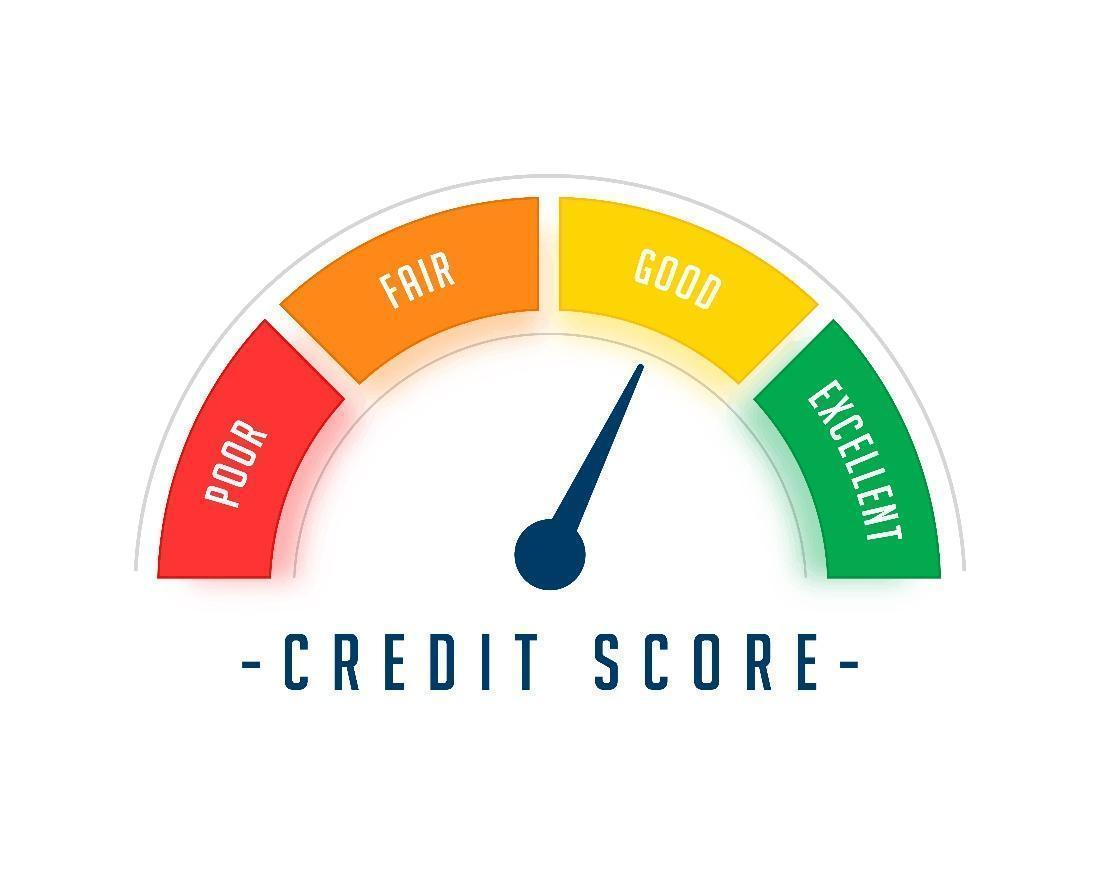
A credit score decides your repayment ability and creditworthiness. An individual aims to maintain a score of 700 or above to get easier loan access and better interest rates. However, you might not have a prior CIBIL score if you haven’t availed of any credit yet. But it is necessary to build the score for the future. A good score is required whether you want to apply for a home loan or a credit card. So, how to build a credit score for the first time?

This blog takes you through an extensive process of building your credit score for secure loan access in the future.

Why does a credit score matter and what is it used for?

A credit score is more than securing a credit card or a loan. It also opens up financial opportunities. When you have a good CIBIL history, you qualify for a higher credit limit, lower interest, and purchase your dream home. On the contrary, if you have a poor payment pattern, it reflects as a red flag and reflects on your credit score.

Read More – CIBIL score vs. credit score

Who are New-to-Credit (NTC) borrowers?

New-to-Credit (NTC) borrowers are individuals who have little or no credit history. As a result, they do not yet have a credit score. It is challenging for lenders to evaluate the repayment behavior of such borrowers due to the limited information. Understanding their creditworthiness isn’t easy.

The common examples of NTC borrowers include:

  1. First-time credit card users
  2. People applying for their first loan
  3. Young professionals starting their credit journey
  4. Individuals who have never used formal credit products

If you are wondering how do I establish credit for the first time, you are most likely an NTC borrower. You must use credit responsibly to gradually build a credit history and establish a healthy credit score.

How to generate a CIBIL score for the first time?

If you are just starting, it can be difficult to build a CIBIL score. In such a case, how do you build trust that your payments will be on time? Here are the most effective ways to build a credit score:

Step 1: Get a secured credit card

The best way to build your credit score is to get a secured credit card. This is a starting point supported by a cash deposit. The amount of the deposit equals your credit limit. Since this card is issued instead of a collateral or security deposit, you can easily get it.

Step 2: Do not apply for multiple cards

Applying for multiple credit cards doesn’t help when you are just starting to build a credit score. If you require more than one card, maintain a gap of at least six months. Remember, consistent applications can make you seem loan-hungry. It is best to avoid such practice. Also, it is beneficial to research extensively and apply for a credit card that best matches your requirements.

Step 3: Pay your EMI on time

A single EMI missed can impact your credit score. To make sure that all bills are paid on time, you can create an auto-debit facility in your account. In case you don’t want to choose an auto-debit option, set a reminder so you can pay the minimum balance on time. This will help ascertain that your EMI is paid without default.

Read More – How To Increase Credit Card Limit

Step 4: Apply for an unsecured credit card

You can use a secured card for the initial six months. This will help get enough data for the bureaus to prepare a credit report. If you are able to create a strong report, the bank will be ready to offer you an unsecured credit card. Switching from a secured to an unsecured comes with additional benefits, including an increase in your credit score.

Step 5: Use a Pay Later option

Many banks have introduced a Buy Now Pay Later option to improve customer experience. This acts like a credit where you can shop today and pay at a future date. Your repayment pattern is communicated to the credit bureaus, building your CIBIL profile. Make sure you clear the dues on time for a positive score.

Step 6: Use your credit responsibly

Banks often contact a salaried person for new credit card applications. Remember, it is important to know whether you require that many cards or not. Do not fall prey to the cashback offers and better credit limits. Only apply for a card when you need it. If you start collecting credit cards and spending unnecessarily, it can harm your credit score.

Step 7: Avoid applying for multiple credit products at once

When you are building your first CIBIL score, you shouldn’t apply for several credit cards or loans at the same time. Every application leads to a hard inquiry on your credit report, which can affect your score negatively. Moreover, if you make multiple applications, lenders may feel that you are heavily dependent on credit. Thus, you must apply for a suitable credit product and use it responsibly to build a positive credit history.

Read More – How to Build Credit Score from Zero

Step 8: Monitor your credit report regularly

By checking your credit report regularly, you can track the progress of your first CIBIL score. You may spot errors, incorrect loan entries, or missed payment records that could affect your score. When you review your report every few months, you understand your credit health and take timely action if any information requires correction or update. Consequently, you can stop any negative impact on your credit score.

How to maintain a good credit score?

Now, you know how do you establish credit for the first time, but maintaining it is an entirely different thing. When you just start building your credit, here is how you sustain it:

Regular payment

It is important to clear your dues on time. The bureau keeps a tab on your payment history, making it a significant part of the credit report.

Credit utilization ratio

Always maintain a low credit card balance. Your credit utilization ratio should always be lower than 30%.

Credit utilization ratio = (Outstanding balance / Total credit limit) *100

Credit diversification

Maintaining a single credit type isn’t a great way of improving your credit score. Instead, have a mix of credits, including a credit card, a loan installment, and BNPL. This will positively impact your credit history.

Monitoring credit report

Keep a regular check on the credit score. Identify the inaccuracies, if any, and resolve them to improve the score. The credit bureaus allow you to get a free report annually.

Avoid multiple accounts

Every credit can directly or indirectly affect your credit score. When you are applying for a new credit card or opening a bank account, be cautious. Any defaults on payment can hinder your CIBIL score.

How long does it take to build a credit score in India?

When you are new to the credit journey, it usually takes around 3 to 6 months of active credit use to generate your first credit score in India. If you want to know how to generate a CIBIL score as a new user, you can use a credit card or loan responsibly and make all payments on time. The exact timeline for generating your CIBIL score may vary depending on how often lenders report your credit activity to credit bureaus. With consistent, responsible credit behavior, you can build a healthy credit score faster.

Read More – How to Increase CIBIL Score From 600 to 750

How to check your CIBIL score and credit report online?

The steps to check your CIBIL score and credit report online are as follows:

  1. Visit the official website of your preferred credit bureau or a trusted financial platform.
  2. Register using your basic details, such as your name, mobile number, and PAN.
  3. Complete the identity verification process.
  4. Request access to your CIBIL score and credit report.
  5. Review the report carefully for your score, loan accounts, repayment history, and any errors.

If you check your own credit report regularly, you can track your credit health and identify inaccuracies early. 

Bottom line

Build your credit score from scratch and create a financially sound future for yourself. Implementing the proven strategies can make a significant impact on your credit report. In case you want to apply for an unsecured credit card or learn how to generate a credit score report, Tata Capital is by your side. The finance company helps build and monitor a credit score securely.

FAQs

How can I get CIBIL for the first time?

You can get a CIBIL score by using a secured credit card or using the Buy Now Pay Later payment option.

How much time does it take to generate a CIBIL Score?

It takes around 3 to 4 months to generate a CIBIL score.

How do I build a credit score if I have never taken a loan?

If you have never taken a loan and want to build a credit score, you can start with a secured credit card or a small loan. Then, remember to make timely payments and use credit responsibly to build your credit history.

What is the minimum CIBIL score you require to get a personal loan?

Most lenders require a CIBIL score of 700 or above to approve a personal loan. However, some lenders may approve loans for lower scores with additional conditions.

How long does it take to generate a CIBIL score for the first time?

It generally takes about 3 to 6 months of active credit usage and reported repayment history to generate your CIBIL score.

Can a student apply for a secured credit card in India?

Yes, students can submit applications for a secured credit card in India. However, you will need a fixed deposit. Make sure you check the bank’s eligibility requirements and terms before applying.

Does checking my own credit score reduce my CIBIL score?

No, your CIBIL score doesn’t reduce if you check your own credit score, as it is a soft inquiry.

What happens if I miss an EMI payment as a first-time borrower?

If you miss an EMI payment as a first-time borrower, it can lower your credit score and remain on your credit report. Moreover, if there are repeated delays, it may affect future loan approvals.

Is a CIBIL score of 700 good enough for a home loan?

Yes, a CIBIL score of 700 is generally considered good enough for a home loan. It can improve your chances of loan approval and get you more favorable loan terms.

Can I get a credit card with no credit history in India?

Yes, it is possible to get a credit card with no credit history in India. Many banks offer secured or entry-level credit cards to individuals who do not have any existing credit history.