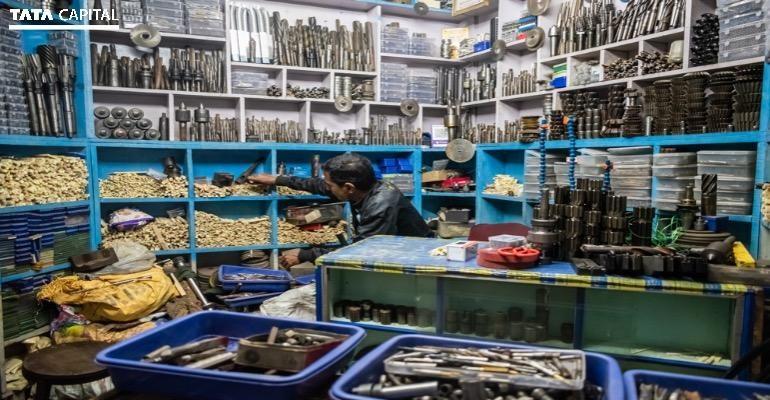
The Indian hardware and building material industry is projected to generate revenue of up to $160 billion in 2023. The market is also expected to grow steadily at a CAGR of 1.7% over the next five years. So, starting a hardware shop business in India can be a lucrative venture for entrepreneurs with a background in construction or home improvement.
Not only is the demand for hardware and building materials consistently high, but a hardware store can also serve as a one-stop shop for customers looking for various home improvement products. If you are interested in starting a hardware store in India, let us explore how to start how to start a hardware business, what all you need, and how to do it right.
#1 Determine your target market
It is important to carefully consider the location of your hardware shop and the local community’s needs. Are you targeting homeowners, contractors, or both? It will help you determine the types of products you should carry and the pricing strategy you should adopt.
For example, if you are targeting homeowners, you should focus on offering a wide range of products for DIY projects, such as paint, tools, and electrical supplies. On the other hand, if you are targeting contractors, you may want to carry more specialized products, such as industrial-grade tools and construction materials.
Depending on your target market, your hardware business can have separate departments different products such as:
- Plumbing
- Painting
- Agriculture
- Machinery
- Gardening
- Electricals
- Repair items
- Tools
- Utensils
#2 Develop a business plan
A business plan is an important document that helps you define your goals, assess the competition, and establish your marketing and financial strategies. It should include an executive summary, a market analysis, a description of your products and services, a marketing plan, and a financial plan.
It is a good idea to conduct market research to understand the size of the market and the potential demand for your products. It can help you make informed decisions about your hardware business’s target market, pricing, and marketing efforts.
#3 Choose Between Opening an Independent Hardware Store or a Franchise Model
If you start your own independent store, you will completely control the business. You will be responsible for sourcing products, setting up the store, and marketing. This option requires a significant investment of time and money but also offers the greatest profit potential.
Alternatively, you can open a hardware store franchise. It involves partnering with an established hardware store brand and paying a franchise fee in exchange for using the company’s name, products, and business model.
The advantage of a hardware shop franchise is that you get access to a proven business model and established brand recognition, making it easier to attract customers. However, you will also be required to follow the franchise’s rules and guidelines, and you may have to pay a percentage of your sales in royalties.
#4 Obtain necessary licenses and permits
Indian laws require you to register your hardware shop business with the local authorities and obtain the necessary licenses and permits. These may include a sales tax registration, a trade license, and any other permits required by the local municipality. Therefore, ensuring you have all the necessary documentation before starting your business is crucial to avoid legal issues.
Here is a detailed list of documents that will need to open a hardware shop in the country:
- Certificate of Incorporation
- A copy of your or the hardware store’s PAN card
- Details of partners in your hardware store business
- Documents like utility bills and ease agreements to serve as proof of the hardware shop’s address
- Details of your employees
- Government-issued identification for taxes
- Insurance papers
- A business bank account
#5 Source your products
When opening an independent hardware shop, you must determine the types of products you will carry and where you will source them from. You can work with wholesalers or distributors to get the best prices on bulk orders. It is essential to offer a wide range of products to meet your customer’s needs, but be sure to focus on high-quality items that will differentiate your hardware business from the competition. You can also offer exclusive products or branded items to attract customers.
#6 Set up your hardware store
Once you have your products, you can start setting up your hardware shop. This will involve organizing your products, creating displays, and installing any necessary shelving and storage units. You should also hire a designer to design the store’s layout, as it impacts the customer experience and influences their decision to purchase.
#7 Types of Hardware Stores You Can Open in India
Starting a hardware business in India requires understanding the different store models to match market demand and customer needs.
Here are some options:
1. Retail Hardware Store for Homeowners: These stores primarily serve homeowners and DIY enthusiasts. They stock tools, fasteners, paints, plumbing supplies, and electrical items. A wide variety of products, combined with personalised customer service and expert advice, helps attract repeat buyers.
2. Wholesale Hardware Store for Contractors and Builders: Wholesale stores cater to construction professionals, contractors, and builders. They offer bulk pricing and a large inventory tailored to commercial needs. Strong relationships with local contractors ensure steady orders and consistent revenue, especially in areas with rapid construction growth.
3. Specialty Hardware Store for Niche Markets: Specialty stores focus on a specific segment such as power tools, plumbing equipment, or electrical hardware. By offering in-depth knowledge and a curated selection, these stores differentiate themselves from general hardware shops and attract professionals or serious DIYers.
- Online or Mobile Hardware Stores: These stores provide convenience with a wide product range. Customers can order tools or supplies online or via apps, making this model increasingly popular among modern consumers.
Exploring these hardware business ideas helps entrepreneurs choose a model that aligns with their investment, expertise, and long-term goals in India.
#8 Challenges in Running a Hardware Store and How to Overcome Them
Running a hardware shop business comes with several challenges, but addressing them proactively can ensure growth and sustainability.
- Inventory Management: Maintaining the right stock mix is essential. Overstocking ties up capital, while understocking risks losing customers. Regular analysis of product demand helps balance inventory efficiently.
- Competition: Local stores often compete with large retail chains and online marketplaces. Offering personalised service, expert advice, and timely delivery can differentiate your store and build customer loyalty.
- Cash Flow Management: Seasonal fluctuations and irregular sales can impact finances. Maintaining a proper cash flow plan and negotiating flexible credit terms with suppliers ensures smooth operations.
- Skilled Workforce: Hiring and training staff who understand hardware products and customer needs is challenging but critical. Knowledgeable staff improve customer experience and enhance trust in your store.
- Market Understanding: Entrepreneurs exploring how to a start hardware business must research local demand, competitor offerings, and pricing strategies. A well-defined business plan mitigates early-stage risks and provides a roadmap for growth.
By recognising these challenges and implementing practical strategies, hardware store owners can create a profitable and sustainable venture that meets customer needs, fosters loyalty, and grows steadily in a competitive market.
#9 Build Strong Relationships with Reliable Suppliers
Strong supplier relationships form the backbone of efficient operations, helping hardware businesses maintain stock availability, manage costs and deliver consistent customer experiences. Some key aspects to consider include the following:
1. Choose Established and Authorised Suppliers: Partnering with suppliers who have a strong market presence ensures consistent product quality and dependable delivery schedules. This foundation is essential when evaluating hardware business ideas that rely on steady inventory flow.
2. Prioritise Clear and Transparent Communication: Open discussions around pricing, order quantities and delivery timelines help avoid misunderstandings. Transparent communication builds mutual trust and supports smoother daily operations.
3. Negotiate Practical Payment Terms: Flexible credit periods and well defined payment cycles can improve cash flow management. This is especially helpful for a growing hardware business in india, where demand may vary across seasons and regions.
4. Maintain Consistency in Dealings: Regular ordering patterns and timely payments reflect professionalism. Suppliers are more likely to offer better rates and service to businesses that demonstrate reliability.
5. Build Long Term Partnerships, Not Transactions: Strong supplier relationships often lead to priority access to stock, improved margins and early insights into new products. Some suppliers may also connect you with a Lender to support expansion and inventory planning.
6. Supplier Performance Periodically: Assess delivery accuracy, product quality and service responsiveness to ensure your business continues to meet customer expectations and scale sustainably.
#10 Effective Marketing Strategies to Promote Your Hardware Business
Use marketing strategies such as advertising in local publications, creating a website, and networking with contractors to get the word out about your store. Offer discounts to attract new customers and encourage repeat business. Social media can also be a powerful marketing tool, so consider creating a presence on platforms such as Facebook, Instagram, and Twitter.
Starting a hardware business in India requires careful planning and attention to detail. By following these steps, you can set yourself up for success and build a thriving business that meets the needs of your community.
#11 Expanding into Online Sales: E-commerce Strategies for Hardware Businesses
Expanding into online sales helps hardware businesses reach more customers, improve convenience and remain competitive in a changing retail landscape. Some key aspects to consider include:
1. Build a Simple and Reliable Online Presence: Adding an online sales channel alongside a physical store improves reach and customer convenience. For those learning, how to open a hardware shop, an early digital presence helps establish visibility and credibility.
2. Select Products Suitable for Online Selling: Fast moving and standardised items such as tools, fittings and basic electrical goods work best online. Clear product specifications and transparent pricing reduce customer confusion and returns.
3. Integrate Inventory Across Channels: Synchronising online and offline stock ensures accurate availability and smoother order fulfilment. Strong inventory control helps maintain trust and supports consistent sales performance.
4. Strengthen Logistics and Delivery Planning: Partnering with dependable logistics providers enables timely deliveries and realistic shipping commitments. Efficient fulfilment plays a key role in customer satisfaction and repeat purchases.
5. Use Digital Marketing to Drive Demand: Local search optimisation, marketplace listings and targeted promotions help attract nearby buyers. These methods also allow businesses to test new hardware business ideas before investing heavily.
6. Plan Funding for Digital Expansion: Technology upgrades and inventory scaling may require additional capital. Support from a Lender can help manage expansion costs while maintaining healthy cash flow.
#12 Implement Effective Customer Loyalty Programs
Customer loyalty programmes help hardware businesses build lasting relationships and drive repeat sales. Here are key factors to focus on:
- Focus on Retaining Existing Customers: Customer loyalty programmes help increase repeat purchases and reduce dependence on constant new customer acquisition. This approach is particularly valuable in a competitive hardware business in India.
- Offer Simple and Practical Rewards: Point based systems, bulk purchase benefits and special pricing for regular contractors encourage consistent buying. Easy to understand rewards improve participation and long term engagement.
- Personalise Offers Using Purchase History: Tailored discounts and product recommendations make customers feel valued. Personalisation also helps increase average order value and customer satisfaction.
- Communicate Programme Benefits Clearly: Customers should clearly know how rewards are earned and redeemed. Transparent communication builds trust and prevents confusion at the point of sale.
- Use Loyalty Data for Better Planning: Purchase insights from loyalty programmes support smarter inventory decisions and cash flow management. Strong repeat sales can also reduce the need for short term support from a Lender.
Conclusion
That was your guide on how to start a how to start a hardware store in India. Starting a hardware store requires careful planning and attention to detail. By following these steps, you can set yourself up for success and build a thriving business that meets the needs of your community.
Need funds for your hardware shop business? Then, check out Tata Capital’s affordable business loan offerings. Tata Capital offers business loans of up to Rs 75 lakhs at attractive interest rates. Moreover, the application process is entirely online and requires minimal documentation. Visit the Tata Capital website to know more.
FAQs
Starting a hardware store typically needs Rs 5 to 15 lakh, covering shop rent, inventory, licences and working capital, depending on location, scale and target customers in semi urban markets.
To open a hardware shop, you need GST registration, trade licence, Shop and Establishment registration, Udyam certificate and local permissions, ensuring legal compliance for a hardware business in India smoothly.
High margin items include electrical fittings, plumbing accessories, paints, adhesives, tools and sanitaryware, as these products have steady demand, faster turnover and support scalable hardware business ideas across local markets.
Source products directly from authorised distributors, manufacturers and wholesale markets, compare credit terms, negotiate volumes and build long term supplier relationships to secure competitive prices and consistent quality for growth.
Common challenges include inventory management, price competition, delayed payments, demand fluctuations and cash flow pressure, which require operations, customer trust and disciplined working capital planning to ensure sustainability long term.