Get the Tata Capital App to apply for Loans & manage your account. Download Now

Blogs

SUPPORT

Tata Capital > Blog > Understanding a debt trap and how to escape it

Personal Use Loan

Understanding a debt trap and how to escape it

Understanding a debt trap and how to escape it

Summary

A debt trap is a situation in which you keep borrowing money to repay existing loans. Over time, debt grows beyond your capacity to repay. The most common causes of a debt trap include missed EMIs, excessive credit card use, and high-interest loans. Sometimes, you may end up in a debt trap because of poor financial planning or unexpected expenses like medical emergencies or job loss. If you are stuck in a debt trap, you will have to deal with both financial and psychological stress, as most of your income will go towards repayments. It leaves little for savings or daily needs. Knowing what a debt trap is and recognizing its warning signs, such as frequent borrowing, overdue bills, and a high debt-to-income ratio, is important.

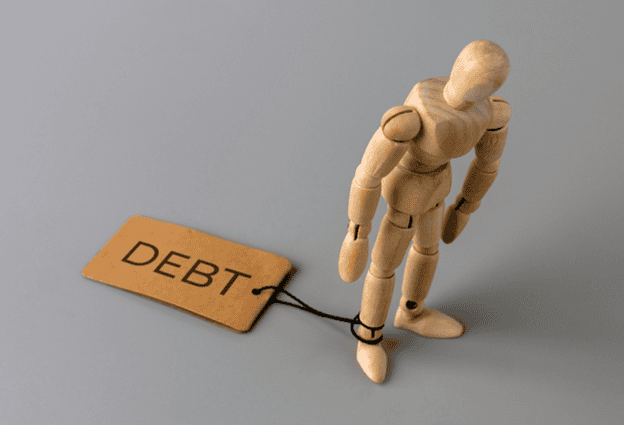
A debt trap is a financial crisis that occurs when a borrower is compelled to take out loans to clear existing debts, creating an ongoing cycle of borrowing that surpasses their repayment capacity.

Credit facilities are widely available in India. You can apply for a specific type of loan depending on your requirements. For instance, if you are planning for higher education, you can opt for an education loan. However, using the credit wisely is essential. If you fail to do so, you can get stuck in a debt trap. A debt trap occurs when you repeatedly borrow money, with the loan amount eventually surpassing your repayment ability.

Escaping a debt trap isn’t impossible, but it is hard. The downside of a debt trap isn’t just the money owed. It is also the psychological and financial stress it carries. To avoid falling into a debt trap or escaping it smartly, it is vital to understand what a debt trap is.

What is a debt trap?

When you take loans to clear off previous loans, and your debt amount begins to spiral out of control, you are in a debt trap.

The following example will make it easier for you to understand what a debt trap means.

Rohan, a young employee, secured a personal loan to pay for his expensive vacation. A few months later, his father suffered from a medical emergency, and he had no choice but to use his credit card to pay for the expenses.

Now, Rohan had to repay the monthly EMIs for his personal loan, clear the credit card bill, and also manage daily expenses. To overcome the shortage of funds, he took another loan, but its high interest rate only increased the debt burden. Rohan used a major portion of his monthly income to repay debt. Eventually, he was in a debt trap with no savings.

How does a debt trap work?

While the above example may have helped you understand what is a debt trap, the next step is to know how it works.

When you take a loan, you are liable to repay the interest and principal amount to the lender. Initially, the EMI includes more of the interest component than the principal. Suppose you miss out on repaying EMIs due to job loss or medical emergencies. While the principal remains outstanding, the interest continues to increase. This makes repayment more challenging. You need to arrange more funds, which you may do by taking another loan. Such a never-ending cycle of borrowing creates a debt trap. It can lead to a situation of financial despair.

What are the key signs you are in a debt trap?

Now that you know what a debt trap means and how it works, it’s also essential to learn about some of its subtle indicators. The early warning indicators that can help you recognize a debt trap and avoid financial trouble include:

  1. Frequent borrowing: If you need your credit card or a loan to meet daily expenses, you are heading to or are already in a debt trap.
  2. Minimum credit bill repayment: If you can only pay the minimum credit bill, it can result in higher interest rates and an extended repayment period. This is a sign of a debt trap.
  3. Overdue bills: You are likely in a debt trap if you miss paying bills or pay them later than the due date.
  4. High Debt-to-Income (DTI) ratio: A higher DTI ratio is a sign that you are in a debt trap. This ratio increases when a significant portion of your income is used to pay off debt.

What are the benefits of installment loans for debt management?

Installment loans help with debt management because they have fixed monthly payments and a clear repayment schedule. This means you know exactly how much to pay each month and when the loan will end. When you have a structured repayment plan, budgeting is easier. It reduces your financial stress.

Generally, interest rates on installment loans are lower than those on credit cards. Thus, you may save money by using them to pay off high-interest debt. Moreover, credit cards have changing balances, but installment loans offer predictability and stability. As a result, you stay disciplined and avoid missed payments.

What are the common causes of falling into a debt trap?

Coming out of a debt trap becomes easier if you are aware of what made you enter it in the first place. Here are some common causes of a debt trap:

  1. Inappropriate financial planning: Debt increases if you don’t plan your finances and monthly budgets well.
  2. Unforeseen expenses: An individual is forced to borrow funds due to unexpected bills like car repairs, medical expenses, or job loss. This is the start of the cycle of borrowing.
  3. High-interest rates: Debt tends to build up quickly if you take high-interest loans like payday loans.
  4. Over-dependence on credit: Your debt starts to accumulate if you excessively use your credit card for impulsive purchases.

How to avoid getting into a debt trap?

While there are ways to get out of a debt trap, the following steps can help you avoid it altogether.

  1. Create an emergency fund: If you start building an emergency fund by contributing a small amount of your income each month, it can help you avoid a debt trap. You can clear the unexpected medical bills or cover daily expenses if you lose your job, using your emergency savings.
  2. Avoid high-interest debt: Most individuals opt for high-interest credit cards or personal loans to sail through tough times. High-interest debt tends to accrue quickly if you only pay the minimum due. This high-interest component can significantly reduce your disposable income, making it tougher to pay for monthly expenses.
  3. Focus on consolidating debt: Debt consolidation lowers the number of payments you need to make. It also lowers the interest. If you consolidate your debt correctly, it can help you pay it off faster and at a significantly lower interest rate.

What are the smart ways to get out of a debt trap?

If you are stuck in a debt trap, you can turn around the situation with the help of the following strategies.

  1. Prioritize high-interest debt: Check your portfolio to find the most expensive credit facilities and loans. This will help you lower interest costs and ensure that they don’t add up over time.
  2. Opt for debt consolidation: When you take a new loan to repay the existing ones, it is known as debt consolidation. This is an effective strategy if the new loan has more favorable terms and better suits your financial situation.
  3. Choose loan balance transfers: A loan balance transfer is the process of transferring existing loans to a new lender from the current one. A balance transfer can help you benefit from lower interest rates and flexible repayment terms.

What is debt consolidation using personal loans?

Debt consolidation with personal loans involves taking out a single new loan to pay off multiple smaller debts, such as credit card debt or other loans. It eliminates the need to manage several monthly payments. All you need to do is make only one monthly payment. This reduces confusion and makes budgeting easier.

A personal loan may also have a lower interest rate, which can save money over time. It helps reduce stress and gives better control over finances. Debt consolidation is the ideal choice for people with multiple high-interest debts and a steady income. You must be able to repay the new loan on time to avoid future problems.

How do personal loans help you become debt-free?

Personal loans can help you become debt-free by combining different debts into one easy loan. This strategy often gives you a lower EMI, which makes monthly payments more affordable. Instead of paying many bills, you make only one payment each month, which is simple and less stressful.

The fixed repayment plan of a personal loan helps you stay organized and avoid missed payments. Moreover, timely payments can improve credit discipline and increase the credit score over time. Personal loans can support a clear path toward financial freedom and a debt-free life with better control over spending and repayment.

What are the types of loan options available for debt consolidation?

Debt consolidation offers different loan options to combine multiple debts into one simple payment. You must choose the right type of loan based on your income, debt amount, and available assets.

  1. Personal loan: This is an unsecured loan, so no property or asset is needed as security. It gives a fixed EMI, a fixed interest rate, and a clear repayment period. As a result, your monthly budgeting is easier.
  2. Balance transfer: This option shifts credit card debt to another card or lender offering a lower interest rate. It helps reduce interest costs and makes repayment faster if managed carefully.
  3. Loan against property: In this option, you use your house, land, or other property as security. It usually offers a larger loan amount and a lower interest rate, making it suitable for large debts.

Conclusion

Falling into a debt trap is easy if you aren’t careful. This article explains the meaning of a debt trap, as it is a common and growing financial problem in the country. You can avoid a debt trap by following the right strategies. In case you are already trapped in the financial chaos, you can use the smart ways mentioned above to escape. A debt trap is challenging as it makes saving, planning for the future, and achieving life goals difficult. However, once you’ve overcome it, your credit score and financial score will gradually improve.

More About Loans

FAQs

What is a debt trap in simple terms?

A debt trap means a scenario in which a person keeps borrowing money to repay old debts. The debt keeps growing due to high interest rates and frequent payments, making it hard to become financially stable or save for future needs.

How do I know if I am stuck in a debt trap?

You may be stuck in a debt trap if you borrow money to pay old loans, miss EMIs often, use credit cards for basic expenses, or feel stressed because monthly debt payments are too high for your income.

Can a personal loan help in debt consolidation?

Yes, a personal loan can help with debt consolidation by combining many small debts into a single loan. This results in a single monthly payment, often at a lower EMI. It makes repayment easier and more organized, improving financial control.

What is the best way to get out of debt fast?

The best way to get out of debt fast is to stop unnecessary spending. Next, you must focus on paying high-interest loans first and making regular payments on time. Moreover, you must avoid taking new loans unless absolutely needed for emergencies or essential purposes.

Does debt consolidation affect my credit score?

Yes, debt consolidation can affect your credit score. If you pay the new loan on time, your score may improve. On the other hand, missing payments or applying for too many loans can lower your credit score instead of helping.

What are the main causes of a debt trap?

The main causes of a debt trap include overspending or using too many credit cards and high-interest loans. Low income, unexpected medical bills, job loss, and poor financial planning are also reasons that make repayment difficult over a long period.

Is debt consolidation better than multiple loans?

Yes, debt consolidation may often be better than managing multiple loans because it combines all payments into one. This reduces confusion and may lower interest costs. It helps people manage money with less stress and better planning.