Get the Tata Capital App to apply for Loans & manage your account. Download Now

Blogs

SUPPORT

Tata Capital > Blog > Personal loan for self-employed applicants: Eligibility & online steps

Personal Use Loan

Personal loan for self-employed applicants: Eligibility & online steps

Personal loan for self-employed applicants: Eligibility & online steps

There are many advantages of being self-employed. You can be your own boss, with freedom and flexibility to work when you like and on what you enjoy. However, with a varied monthly income, tackling sudden expenses can be challenging. Fortunately, a personal loan for freelancers can provide much-needed financial aid in times of need. You can get money to purchase equipment, expand your business, or meet personal expenses.

This article explores personal loans for freelancers in India, highlighting their types, features, benefits, and application process.

What is a personal loan for freelancers?

A personal loan for freelancers is an unsecured loan designed for self-employed professionals. These include writers, designers, consultants, or gig workers who earn irregular income. Lenders use bank statements and tax returns, instead of salary slips, to evaluate a freelancer’s loan eligibility. They also review the credit history. A freelancer with a consistent income and a good credit score can apply for a personal loan.

Unlike loans for salaried employees, freelancer loans focus more on income stability over time rather than fixed monthly paychecks. They may have slightly higher interest rates or stricter documentation because freelance income isn’t as stable and predictable as salaried earnings.

Types of personal loans available for freelancers

There are different types of personal loans that freelancers can secure. These include:

  1. Short-term personal loans: These loans are for small or urgent expenses with a short repayment period, often up to one year. A small personal loan for a freelancer in India is useful if you need quick cash to handle temporary income gaps.
  2. High-value personal loans: These loans offer larger amounts for big needs such as buying equipment, upgrading tools, or funding major projects. They usually come with longer repayment periods.
  3. Multipurpose personal loans: These loans can be used for any purpose, including travel, medical bills, or business costs. Freelancers can use them with flexibility.
  4. Emergency loans: These loans help cover sudden or unexpected expenses when freelancers face urgent financial needs.
  5. Flexible credit lines: This option allows freelancers to borrow money as needed and pay interest only on the amount used.

Key features and benefits of freelancer personal loans

A personal loan for freelancers offers helpful features and benefits to individuals with irregular income.

  1. Flexible repayment tenure: Freelancer personal loans usually offer flexible repayment periods. It allows borrowers to choose a tenure that matches their income flow and comfort.
  2. Quick approval and disbursal: Freelancer personal loans are processed, approved, and disbursed promptly. As a result, freelancers can easily manage urgent expenses or sudden cash shortages.
  3. Minimal documentation: Freelancers can apply with basic documents such as bank statements, invoices, and tax returns, making the process simple.
  4. No collateral required: Most freelancer personal loans are unsecured, so borrowers do not need to pledge property or assets.
  5. Multipurpose loan: You can use the funds for a variety of purposes, including personal needs or business expenses. You can also manage income gaps between projects.

Challenges freelancers face while applying for loans

The various challenges freelancers face while applying for personal loans include:

  • Irregular income: Freelancers often earn varying amounts each month, leaving lenders uncertain of their repayment capacity. This income fluctuation can make loan approval harder.
  • Limited proof of income: Unlike salaried employees, freelancers may not have salary slips. They must use bank statements, invoices, or tax returns. Some lenders may not find these enough for loan approval.
  • Stricter credit checks: Lenders review credit scores and repayment history because the income of a freelancer is less predictable. A low or new credit history can reduce the chances of approval.
  • Higher interest rates: Due to perceived risk, freelancers may sometimes be offered loans with slightly higher interest rates or lower amounts.

Eligibility criteria for personal loans for freelancers

If you’re self-employed, you will need to meet the following conditions to qualify for a personal loan for freelancers in India.

  • Age requirement: Freelancers must be between 21 and 60 years old at the time of loan application and maturity.
  • Stable income: Applicants should have a regular freelance income of up to Rs. 25,000.
  • Work experience: Freelancers must have at least 2 years of consistent work experience in their field. Some lenders require 5+ years in business to be eligible.
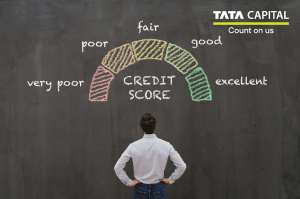
  • Credit score: A good credit score (750+) helps improve approval chances and may lead to better interest rates and loan terms.
  • Residency status: Applicants must be Indian residents with a valid ID proof and address proof to apply for a personal loan for freelancers.

Documents required for a freelancer loan application

The documents you need to submit with your freelancer loan application are:

  • KYC documents: You need basic identity and address proof, such as an Aadhaar card, PAN card, passport, or driving license.
  • Income proof: To prove that you have a regular income, you may need to submit payment receipts or invoices.
  • Bank statements: You will also need to submit recent bank statements, usually for the past 6 to 12 months, to show cash flow and income stability.
  • ITR documents: Income Tax Returns (ITR) from the past 1 to 2 years are often required.
  • Professional proof: Some lenders may request a work portfolio, client agreements, or registration certificates.

How to calculate EMIs for freelancer personal loans?

Freelancers can calculate EMIs for personal loans using online EMI calculators. The tool is available for free on most bank or lender websites. Just enter the loan amount, interest rate, and repayment tenure, and the calculator will show your monthly EMI and total repayment amount.

An EMI calculator helps you understand how much you need to pay each month and accordingly plan your budget. You can try different tenures to see how EMI changes. The monthly EMI reduces with a longer tenure, but the total interest payout increases. In the case of a shorter tenure, the EMI rises, but the interest payout reduces. You must choose a repayment plan that fits your income and keeps payments comfortable and manageable.

How to apply for a personal loan as a freelancer?

You can apply for a personal loan for a freelancer in India through banks, NBFCs, or online lenders. The process usually starts with comparing loan options from various sources. If your requirement is short-term, you can opt for the short-term personal loan, whereas if you need funds to purchase something more expensive, a high-value personal loan should be your choice. After choosing the type of loan you require and the lender you prefer, proceed with the application process discussed below.

Loan approval and disbursement into the bank account occur after lender verification. Approval timelines can vary from a few hours to a few days. If the documents you’ve provided are complete, it takes less time for approval.

1. Check eligibility and enter details

You must start by checking your eligibility on the lender’s website or app. Fill out basic personal details, work information, and income-related data to start the application. This step helps the lender understand your profile and estimate loan options. The process is usually quick. You can complete the application online within a few minutes without visiting a branch.

2. Upload required documents

After entering basic details, you must upload the necessary documents for verification. These may include identity proof, address proof, bank statements, and income records like invoices or tax returns. The lender reviews these documents to confirm your income stability and identity. Verification doesn’t take long if you provide clear and complete documents. The chances of delays in the application process are also reduced.

3. Approval and loan disbursal

Upon document verification, the lender evaluates your credit profile and repayment ability. The lender approves the loan if you satisfy all criteria. You are informed about the approval through an email or message. After the acceptance of terms, the approved amount is disbursed directly to your bank account. This final stage may take from a few hours to a few days.

Tips to improve personal loan approval for freelancers

The following tips can help increase your chances of approval for a freelancer loan.

  1. Maintain a good credit score: Pay credit card bills and EMIs on time to keep your credit score healthy.
  2. File regular ITRs: Filing income tax returns every year shows steady income and builds trust with lenders.
  3. Keep bank statements clean: Avoid frequent overdrafts or bounced payments to show good money management.
  4. Show stable income: Try to maintain consistent earnings and keep records of invoices and payments.
  5. Reduce existing debts: Remember to lower outstanding loans or credit usage before applying.
  6. Choose the right loan amount: Apply for a realistic amount that matches your income and repayment ability.

Comparing personal loan options for freelancers

Before applying for a freelancer loan, you should compare different personal loan options. Start by checking the interest rate, as it affects the total amount you repay. Look at the repayment tenure and choose one that fits your monthly income and budget. Also, review processing fees, late payment charges, and any hidden costs, and compare the EMI you will pay with each lender.

It is important to choose a trusted bank or NBFC with good reviews and clear terms. Reading customer feedback and checking lender credibility can also help avoid problems in the future. Comparing personal loan options carefully helps you find an affordable, flexible, and easy-to-manage loan.

Final thoughts

A personal loan for freelancers in India can help manage expenses or handle income gaps. You will need to submit your bank statements and relevant ITRs while applying. The approval depends on your income stability, credit score, and repayment capacity.

It is also essential to compare lenders, interest rates, and fees before proceeding with the application. Use an EMI calculator to carefully plan your monthly installments. An informed financial decision regarding a freelancer loan can help you avoid financial stress.

More About Loans

FAQs

What are the eligibility criteria for a personal loan for self-employed people?

Self-employed applicants must meet age limits, show stable income, have a minimum of 1 to 2 years of work experience, and maintain a good credit score to be eligible for a personal loan. Lenders will request valid KYC documents, bank statements, and tax returns.

What minimum income is required for a self-employed personal loan?

The minimum income requirement for a self-employed personal loan varies by lender and city. Many lenders expect steady monthly earnings of up to Rs. 25,000 to support EMI payments.

Is ITR mandatory for self-employed personal loan approval?

Yes. In most cases, lenders ask for recent Income Tax Returns to confirm income and financial stability. While some may accept alternative proof like bank statements or invoices, submitting ITRs improves credibility and increases the chances of faster loan approval and better terms.

What CIBIL score is required for a self-employed personal loan?

A CIBIL score of 750 or above is generally preferred by lenders for self-employed personal loans. Higher scores improve approval chances and may help get better interest rates. Lower scores may still qualify, but could lead to stricter checks or higher interest charges.

Are interest rates higher for self-employed personal loans?

Interest rates for self-employed borrowers can sometimes be slightly higher than those for salaried individuals. This is because their income may vary each month, which lenders see as higher risk. However, a strong credit score and stable earnings can help secure competitive interest rates.

How does a lender verify income for self-employed applicants?

Lenders verify income by checking bank statements, invoices, business records, and Income Tax Returns. They may review average monthly credits and consistency of earnings over time. This helps them determine financial stability and decide whether the applicant can comfortably repay the loan.