Get the Tata Capital App to apply for Loans & manage your account. Download Now

Blogs

SUPPORT

Tata Capital > Blog > How to Build Credit Score from Zero & Improve CIBIL Score

Personal Use Loan

How to Build Credit Score from Zero & Improve CIBIL Score

How to Build Credit Score from Zero & Improve CIBIL Score

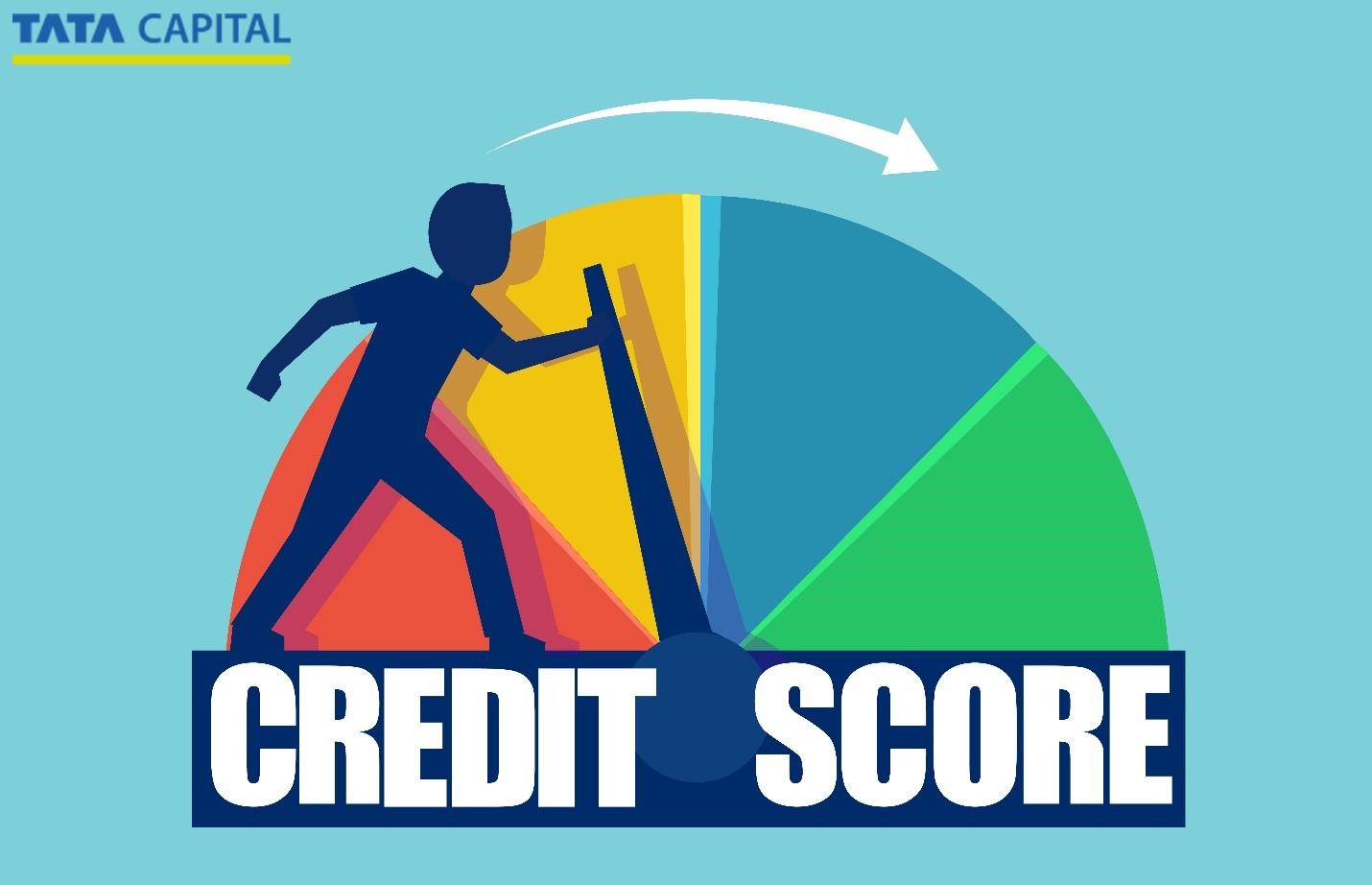
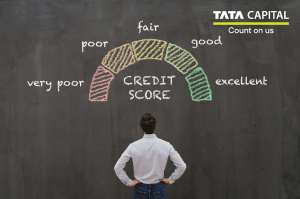
The credit score represents the creditworthiness of the borrower. It indicates whether or not they are capable of repaying their debt. A lender, bank, or financial institution will always check the credit history before approving a loan. A credit score ranges between 300 and 900. The higher the score, the greater the chance of getting a loan approved. 

In general, good credit scores are associated with timely loan repayment. But what about people who have never taken out a loan? If the lender checks their CIBIL score, it will come up with an NH (No Hit). The unavailability of a credit score may discourage some lenders from approving loans.

Even if you’ve never borrowed before, it’s important to know how to build credit score from scratch. Doing so will help you create a strong financial profile for the future. So here’s How To Improve Credit Score In 30 Days?

Why building a good credit score (or history) is essential

Before knowing how can I better my credit score, here’s why you should build a credit score in the first place:

  • Easy approval of loans 
  • Eligibility for credit cards with better rewards and benefits
  • Higher loan amount or credit card limits
  • Better repayment terms 
  • Attractive Interest rates

Also, read – Credit Score Ranges: What Do They Mean?

Knowing how to create CIBIL score early can help you unlock these benefits and give you financial flexibility.

What does “No credit history” or “Credit invisible” mean?

When someone has no credit history, it means they’ve never taken a loan, used a credit card, or made any repayment that can be tracked by a credit bureau. With no past borrowing behaviour to analyse, the system cannot generate a credit score.

Individuals in this situation are often referred to as credit invisible. In fact, a significant portion of credit invisible India consists of young adults, first-time earners, and people who simply never needed formal credit before. Since lenders have no previous data to rely on, such individuals are labelled as NTC borrowers.

So, what is an NTC borrower? It stands for New-to-Credit borrower-someone entering the credit system for the first time.

Being credit invisible doesn’t mean you’re a risky customer. It simply means the credit bureaus don’t have enough information to assess your repayment behaviour. However, this lack of data may result in limited loan choices or slightly higher interest rates until you build a track record.

Also, read – How to Increase CIBIL Score From 600 to 750

Essential steps before you start building credit

Before you begin your credit journey, it’s important to understand the credit building prerequisites that set a strong foundation. These first steps to build credit ensure you use credit responsibly:

Understand your financial habit

Take a moment to assess how you spend, save, and manage money. Responsible money habits are crucial to how to make credit score strong.

Set up a stable income flow

If you’re wondering how to increase CIBIL score from 0, regular income, even if modest, helps lenders view you as reliable. It also ensures you can comfortably handle repayments once you start using credit products.

Maintain an active bank account

A well-maintained savings account with healthy balances, steady transactions, and no frequent overdrafts creates a positive impression during lender evaluations.

Organise your documentation

Keep essential documents ready: PAN card, Aadhaar, address proof, and income-related records. These are mandatory for most credit applications.

Create a savings buffer

Before taking any loan or credit card, build a small emergency fund. This cushion helps you stay consistent with payments even when unexpected expenses occur, which is key to how to improve CIBIL.

Learn the basics of credit scores

Knowing how to get credit score faster and more reliably, repayment history, credit utilisation, and length of credit, helps you make smarter decisions from day one.

Also, read – Understanding Credit Utilisation Ratio The Key to Managing Your Credit

How to build credit score from scratch (Even without loans)

Building a credit score is not an overnight process. It takes time. However, one can learn how to create CIBIL score and do the following to build or improve it.

Start with small instalment loans or EMI purchases

Post-pandemic income and liquidity constraints have prompted consumers to prefer to purchase products in instalments, which can improve their credit score. How does it do that?

Today, lots of consumers store offer the option of EMIs even online. If you want to buy a headphone on Amazon, you can choose the EMIs option for 3 or 6 or 12 months. For those asking, “how to increase CIBIL score without credit card?,” you can pay the instalments on time without having a credit card. 

Apply for a loan or credit card with a Co-signer

If the borrowers have a zero or low credit score, lenders won’t be confident about their worthiness. This is where a co-signor can help. A co-signor agrees to take equal responsibility for the repayment of the loan. As a result, borrowers thinking how to start CIBIL score without a credit score can choose a co-signer with a good credit history, which will help them obtain favourable credit terms. 

Apply for an entry-level or low-limit credit card

Young professionals may not have the necessary credit or the strong financials to get the desired loan. However, they can build their credit by applying for a low-limit credit card from their banks. The salary will assure banks of a stable income. Keep your credit utilisation ratio under 30% to ensure you handle how can I better my credit score responsibly. A higher percentage shows credit-hungry behaviour, which is not likable for Credit Bureaus.  

Always pay your credit card bills and EMIs on time

Whether the universal acceptance, instant access to funds or additional rewards, credit cards are gaining popularity worldwide. There is one more benefit to owning one. It is one of the simplest ways to how to build credit score effectively. Simply paying the credit card monthly bill on time improves the CIBIL score.

Limit new credit applications and avoid frequent hard inquiries

Credit cards offer numerous benefits. However, applying for multiple cards within a short time can have a negative impact. Before approving a loan, lenders enquire about the borrower with the Credit Bureau. More credit card applications, more hard enquiries by lenders. If there are multiple hard enquiries of a borrower, it reduces their credit score by a few points.

Furthermore, avoid closing the old credit card accounts. Keep accounts long and active to see better results in how to make credit score management. When a person owns a credit card for a long time and has been paying the bills on time, it reflects positively on his/her creditworthiness.  

Consider a secured credit card

Loan approval is primarily based on a borrower’s ability to repay. However, what if the borrower offers some form of security when they don’t have a credit history for review? How to improve CIBIL then? 

Secured credit cards operate similarly to other types of credit cards, except requiring an equivalent cash deposit to the card issuer. A secured card acts as collateral if the borrower defaults on repayment of the credit card bill. Now, credit card issuers are required to report all secured card transactions to the credit bureau. It has a positive effect on the credit score. However, review the bank’s fees before applying for a secured card. Usually, secured cards have lower credit card limits and higher fees in comparison to unsecured cards. 

Leverage rent and utility payments to build credit

You can build credit with rent payments by using authorised platforms that report timely rent to credit bureaus, helping create a positive repayment pattern. Consistently paying electricity, phone, and broadband bills on time also supports your utility bill credit score impact by showing strong financial discipline. Using digital payment methods ensures clear records, while avoiding bounced payments protects you from any negative remarks on your profile.

Explore credit-builder loans

A credit builder loan is a simple, low-risk answer to how to start CIBIL score journey. In this setup, the loan amount is kept aside in a secure account while you repay it in small monthly instalments. Each timely payment gets reported to the credit bureaus, helping you steadily build a repayment history. If you’re new to borrowing, this is one of the safest loan to build credit options without taking on large financial obligations.

Also, read – 800-Plus Credit Score: How to Make the Most of It

Key principles for maintaining a healthy credit score

Maintaining a strong credit score requires consistent financial habits. Here are key principles to keep your profile healthy:

Pay all bills and EMIs on time

Timely payments are the most important factor in your credit score. This includes rent and utility bills, which can contribute to your utility bill credit score when reported properly.

Use credit wisely

Keep credit utilisation low, ideally under 30% of your available limit. Responsible use of credit shows financial discipline.

Avoid frequent new credit applications

Too many applications trigger hard inquiries, which can temporarily lower your score.

Maintain a mix of credit types

A combination of credit cards, loans, and rent payment reports demonstrates healthy borrowing behaviour.

Keep older accounts active

Longer credit histories build trust with lenders, so avoid closing old accounts unless necessary.

Regularly review your credit report

Check for errors or missed updates to ensure your utility bill credit score and other entries are accurate.

By following these principles and leveraging strategies like building credit with rent payments, you can maintain a strong credit profile and access better credit opportunities over time.

Conclusion: Building a strong credit foundation for your financial future

A popular quote says,” To get credit, you need to get credit”. Follow these tips to build a good credit score, you’ll know how to get credit score and how to increase CIBIL score from 0. Also, ensure you review it periodically. Occasionally, clerical errors or technical errors can hamper your credit score. Thus, try and fetch the credit information from Credit Bureaus at least once a year.  In case of doubts, you can seek assistance from experts like Tata Capital. In addition to helping you find the best personal loan from Tata Capital, including EMI options according to your needs, we allow you to check your credit score online as well. 

More About Loans

FAQs

How can I build a credit score from scratch if I have no loans?

You can start with a secured credit card, small credit-builder loans, or become an authorised user on a family member’s card. Timely payments and responsible usage gradually help establish a credit history.

What is the fastest way to build credit?

Using a secured credit card or a credit-builder loan with consistent, on-time payments is the quickest way. Reporting rent and utility payments through authorised platforms can also accelerate building a positive credit record.

Can I build a credit score without a credit card in India?

Yes. Options include credit-builder loans, EMI-based purchases, rent reporting, and timely utility payments. Responsible repayment behaviour for any small credit or loan activity is your answer to how to increase CIBIL score without credit card.

How does a secured credit card help build credit history?

A secured credit card requires a refundable deposit as collateral. Using it responsibly and paying the full balance on time gets reported to credit bureaus, helping first-time borrowers how to make credit score from scratch.

What are the benefits of having a good CIBIL score?

A good score improves your chances of loan approvals, lowers interest rates, increases credit limits, and demonstrates financial reliability, making it easier to access credit products in the future.

Should I get a co-signer to build my credit?

A co-signer with a strong credit history can help you qualify for loans or credit cards. Timely payments will be reported on your account, helping you build credit, but missed payments can also affect both parties.

How important is paying EMIs on time for my credit score?

Paying EMIs on time is crucial, as repayment history makes up the largest portion of your credit score. Delays or defaults can significantly lower your score and affect future credit eligibility.

What is a "No Hit" (NH) in a credit report?

“No Hit” (NH) indicates that a lender queried your credit report, but no credit decision or loan sanction was recorded. It doesn’t negatively affect your score but shows a credit inquiry occurred.