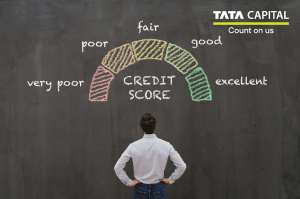
When you apply for a personal loan, the first thing a lender checks is your CIBIL score. It is a key indicator of your creditworthiness and debt-handling capability. Generally, lenders prefer a CIBIL score of 700 or above to approve personal loan applications. But what if your score is below 600, say 550? Don’t worry, all hope isn’t lost. While a low credit score limits your borrowing options, you can still get a personal loan with the right approach. Here’s a complete guide on how to get a personal loan with a low CIBIL score.
Understanding personal loans and CIBIL score
A personal loan is an unsecured loan that can help you fulfill various financial requirements. It typically has no end-use restrictions, which means that you can use a personal loan for a range of purposes. For example, tackling a medical emergency, planning a dream vacation, meeting your wedding expenses, renovating your house, and even debt consolidation.
But since a personal loan isn’t secured by collateral, lenders rely heavily on your CIBIL score to assess your creditworthiness and repayment capability. The CIBIL score is a three-digit number, ranging between 300 and 900, reflecting your credit history. It’s calculated based on several factors, including your past repayment behavior, debt utilization ratio, and the length of your credit history, among others. A higher score signals responsible financial management and increases your chances of getting approved for a loan at favorable interest rates.
Lenders usually prefer a CIBIL score of 700 or above for approving personal loan applications. A score between 600 and 700 is considered average, while anything below 600 is considered low. It usually indicates past payment delays, high credit utilization, or frequent loan applications. Lenders see this as a potential risk, making it harder for you to qualify for a conventional personal loan.
Getting a personal loan for a CIBIL score of 550 isn’t impossible. Some banks and Non-Banking Financial Companies (NBFCs) offer personal loans for bad credit applicants, albeit with higher interest rates and less favorable terms.
Can I get a personal loan with a CIBIL score of 550?
Getting a personal loan for a CIBIL score of 550 can be difficult, but it’s not entirely impossible. Such a score signals high credit risk for lenders, as it often reflects past repayment delays, defaults, or overuse of credit limits. The following tips can help you get a personal loan with bad credit history:
- Leverage your existing relationship with the lender
If you have a good relationship with a bank or a lending institution, you can leverage it to get a personal loan based on trust. For instance, if you already have a savings or current account, a fixed deposit account, and a credit card from the same bank, you can get in touch personally with a representative to apply for a personal loan. Lenders often extend personal loans to trusted customers even with lower scores, especially if your income is stable and your transaction history is positive.
- Choose the right type of lender
Traditional banks usually follow stringent eligibility criteria for approving personal loan applications. With a low credit score, you may find it difficult to get a personal loan from them. In such a case, NBFCs and Fintech lenders become better options. These lenders are more flexible and often provide digital or online personal loans for bad credit with easier eligibility norms.
- Apply for a smaller loan amount
When your credit score is low, asking for a large loan amount raises the lender’s risk perception. What you can do is apply for a modest loan amount and wait till your CIBIL score gradually improves. Smaller loans are easier to get approved for and can help you prove your repayment discipline. Over time, repaying such loans responsibly can help improve your credit score and open doors to better financing opportunities.
- Be ready for higher interest rates
Lenders often quote higher interest rates for approving personal loan applications from borrowers with low credit scores. While this increases your borrowing cost, it’s still a viable way to access urgent funds when needed. Then you can repay the loan on time to not only build a positive credit record but also improve your chances of getting personal loans at lower interest rates in the future.
Challenges in getting personal loans for bad credit
Trying to get a personal loan with a bad credit score can be a challenging task. Since lenders perceive such borrowers as high-risk applicants, the terms and conditions tend to be stricter. They might ask for a higher interest rate, additional collateral or a guarantor, and take a longer processing time. They can even reject the loan application.
Here are some key challenges you might face when applying for a personal loan for a CIBIL score of 550:
- Rejection of your loan application
When you’re applying for a personal loan with a bad credit score, be prepared for an outright rejection. Lenders generally prefer a credit score of 700 or more for approving personal loan applications. However, if you can prove your income stability, you can get your loan application approved even with a low CIBIL score.
- Higher interest rate
One of the most common drawbacks of applying for a personal loan with a low CIBIL score is a higher interest rate. It compensates the lender for the increased risk of default. Although this can increase your overall borrowing cost, you can get funds in the hour of need.
- Lower loan amount
Even if you qualify for a personal loan with a low CIBIL score, the approved amount may be much lower than what you requested. Lenders tend to minimize their risk by disbursing smaller amounts to borrowers with poor repayment histories.
- Collateral requirements
Although it’s usually unsecured, some lenders ask for collateral or a guarantor to provide a personal loan for a CIBIL score of 500. You can pledge your personal or professional assets, such as gold, property, fixed deposits, etc., to increase your chances of approval.
- Limited lender options
A low CIBIL score drastically narrows down your choices. Most traditional banks avoid lending to high-risk borrowers, leaving NBFCs and Fintech lenders as your main options.
- Longer processing time
Expect a longer processing time when applying for a personal loan with a low CIBIL score. The lenders may conduct additional background checks, verify income more thoroughly, and may even request in-person verification before approving your loan.
Eligibility & documents required for a low CIBIL score
Certain lending institutions loosen their personal loan eligibility requirements for applicants with low CIBIL scores. They focus more on your income stability, profession, employer reputation, and existing relationship with them. It means that if you can fulfill their eligibility criteria and demonstrate a stable income, you can qualify for personal loans with bad credit.
Here are the common eligibility conditions you must fulfil:
- Age: Your age should be between 21 and 60 years.
- Income stability: You must have a stable monthly income from a reliable source or employer. Those employed with an MNC or a public limited company may find it easier to get a personal loan.
- Monthly salary: Most lenders require a minimum monthly income of Rs. 20,000 to Rs. 25,000 to provide a personal loan for a CIBIL score of 550.
- Work experience: Whether you’re salaried or self-employed, lenders look at your work experience to gauge your income stability and repayment capacity. They generally prefer a work experience of one to three years.
- Existing financial obligations: Lenders will also check your current EMIs and debt-to-income ratio to ensure you can handle an additional loan.
Apart from fulfilling the lender’s eligibility criteria, you may have to furnish these documents to apply for a personal loan with a bad credit record:
- KYC documents: PAN card, Aadhaar card, Voter’s ID card, Passport, ration card, etc.
- Income proof: Salary slips, bank statements, ITRs (Income Tax Returns), Form 16
- Employment proof: Offer letter, employment certificate, or business registration proof
- Credit reports: Some lenders may ask for a recent credit report to evaluate your repayment history
How to improve your loan approval chances with a 550 CIBIL score?
You must understand that getting a personal loan with a CIBIL score of 550 isn’t easy. However, you can improve your approval chances significantly by assuring the lender that you can repay the loan. You can also take steps to improve your CIBIL score before applying.
Here’s a practical guide on how to get a personal loan with a low CIBIL score:
- Add a co-applicant or guarantor
One of the easiest ways to enhance your loan approval chances is to apply with a co-applicant or guarantor with a good credit score. They can be anyone, including your spouse, family member, friend, relative or colleague. Applying with a co-applicant or a guarantor helps reduce the overall credit risk for lenders, thereby improving the chances of loan approval. However, you must also understand that the co-applicant or guarantor will be held responsible for loan repayment if you default.
- Offer collateral or security
Although personal loans are unsecured and do not require collateral, offering it can enhance your approval chances. Pledging an asset, such as gold, property, fixed deposit, etc., reduces the lender’s risk. In the case of default, it allows them to recover their money by selling or auctioning your asset.
- Reduce existing debts
Lenders closely analyze your debt-to-income ratio while approving a personal loan application. A high debt-to-income ratio signals that you’re already juggling too many loans and reduces your approval chances. Thus, you must reduce your outstanding debts before applying for a fresh loan. Doing so not only improves your eligibility but also boosts your CIBIL score over time.
- Improve your credit behavior
No matter what happened in the past, your recent credit behavior can help you get a personal loan with a low CIBIL score. Make all your EMI and credit card payments on time, avoid cheque bounces, and don’t apply for multiple loans simultaneously. Over a few months, this will demonstrate responsible credit behavior and gradually improve your chances of loan approval.
- Keep your credit utilization ratio low
Your credit utilization ratio reflects the percentage of credit used against the total available credit. A credit utilization ratio can negatively impact your credit score and hamper your loan approval chances. As a general rule, try keeping your credit utilization ratio to less than 30%.
- Show proof of stable income
Even with a low CIBIL score, lenders are more likely to consider your application if you can show a steady source of income. Provide recent salary slips, bank statements, or business turnover proofs to highlight financial stability. A consistent cash flow reassures lenders that you can repay the loan despite your past credit history.
How to check and monitor your CIBIL score regularly?
Regular monitoring of your CIBIL score is essential. It helps you determine your loan eligibility, detect errors, and take appropriate measures for improvement. Here’s a simple step-by-step guide to help you check and monitor your CIBIL score effectively:
Step 1 – Check your credit score online
Visit the official TransUnion CIBIL website or download their mobile app to check your credit score. You may need to subscribe to at least a basic plan to get started.
Step 2 – Carefully evaluate your CIBIL report
Download your CIBIL report and carefully analyze it for discrepancies. Go through your credit accounts, payment history, and inquiries to ensure all details are correct.
Step 3 – Report errors immediately
In case there are errors in your CIBIL report, raise the issue immediately with the concerned authority. You can do so directly through the website or mobile app, or you can also send an email with proof.
Step 4 – Take steps to improve
If your CIBIL score is low, take immediate action to improve it. Start paying your loan EMIs and credit card bills on time, maintain a low credit utilization ratio, and avoid applying for new loans frequently.
Step 5 – Track improvements regularly
Monitor the improvement in your CIBIL score. Keep checking and reviewing your CIBIL report at frequent intervals.
Repayment tips for a personal loan for a low CIBIL score
Once you’ve managed to secure a personal loan for a CIBIL score of 550, repaying it responsibly becomes crucial. It not only helps you avoid financial penalties but also enhances your chances of getting new loans in the future. Here are some practical tips that can help you plan your repayments better:
- Prepare a realistic budget
Start by preparing a realistic budget. List essentials like rent, utilities, and groceries, and identify areas where you can cut back. Ensure that your EMI payments fit comfortably within your monthly budget and you still have some breathing space. Ideally, your total EMIs (including existing loans) should not exceed 30% to 40% of your monthly income.
- Prioritize EMI payments
Make loan EMIs your top priority. You can set up auto-debit or standing instructions through your bank to ensure timely payments. This not only helps you avoid late payment penalties but also builds your CIBIL score. Most banks in India offer this facility through savings and current accounts.
- Communicate with your lender early
If you’re facing financial difficulty in making an EMI payment, communicate clearly with your lender. It may be due to job loss, medical emergencies, or unexpected expenses. Inform your lender about your issue and ask for a grace period before they report to the credit bureaus.
- Avoid taking a new loan
Avoid applying for additional loans or credit cards until you’ve stabilized your finances. Focus instead on repaying your existing loan responsibly. Additionally, multiple loan applications can trigger hard inquiries on your credit report and lower your CIBIL score further.
- Make pre-payments when possible
Consider making pre-payments towards your personal loan when you have surplus funds. Doing so helps you clear your loan faster, reduces your overall interest outgo, and boosts your CIBIL score.
FAQs
Yes, you can apply for a personal loan with a 550 CIBIL score without collateral. However, the approval isn’t guaranteed. The lender may check your income stability, age, and other factors to determine your loan eligibility.
When applying for a personal loan for a CIBIL score of 550, be ready for higher interest rates. A higher interest rate compensates the lender for the increased risk of default. For accurate rates, you can get in touch with different lending institutions.
It takes four to twelve months on average to improve your CIBIL score from 550 to a better range. Consistent financial discipline is the key. Pay your loan EMIs and credit card bills on time, maintain a low credit utilization ratio, and avoid applying for new loans frequently.
Peer-to-peer (P2P) lending platforms refer to online marketplaces that directly connect individual borrowers to individual lenders. It can be a good option for those seeking credit with low CIBIL scores. However, the terms can be unfavorable.
Avoid submitting inconsistent or unverifiable documents, as they can harm your loan application. For example, fake or altered income proof, outdated salary slips, incorrect KYC documents, etc. Also, avoid submitting additional, unrequested documents as they can create doubts with lenders.
No. Taking a new loan does not damage your CIBIL score further. Instead, timely repayment and responsible debt handling can help you improve your CIBIL score. But applying for too many loans within a short time frame can damage your score.





 18 November 2025
 12 mins read

 Previous Post