Get the Tata Capital App to apply for Loans & manage your account. Download Now

Blogs

SUPPORT

Tata Capital > Blog > Personal Use Loan > Low salary personal loan: Options & how to apply

Personal Use Loan

Low salary personal loan: Options & how to apply

Low salary personal loan: Options & how to apply

What is a low-salary personal loan?

A low-salary personal loan is a specific type of unsecured loan designed for individuals with a modest monthly income. Unlike regular personal loans, which often require higher income levels and have stringent eligibility criteria, these low-income personal loans cater to salaried employees in entry-level businesses or junior positions who might otherwise struggle to get access to credit. For example, junior associates, restaurant staff, cleaners, clerks, delivery boys, etc.

Banks and Non-Banking Financial Corporations (NBFCs) offer low-salary personal loans to promote financial inclusion and help low-income earners tackle medical emergencies, education expenses, and other financial requirements. These loans typically have no end-usage restrictions and entail smaller loan amounts, shorter tenures, and flexible repayment terms.

All salaried individuals with a monthly income of up to Rs. 15,000 can apply for a low-salary personal loan. Having said that, it’s crucial to note that the eligibility criteria may vary from one financial institution to another. Some lenders may also consider the applicant’s job profile, employment stability, employer’s reputation, and credit score apart from their income level.

Eligibility criteria for a low-salary personal loan

As mentioned, the eligibility criteria for a low-income personal loan vary from one lender to another. Each bank or NBFC generally has its own set of parameters to approve or reject loan applications. Here are some common factors they consider:

  • Salary or monthly income

The applicant’s salary or monthly income is the most crucial factor that can influence their eligibility to avail of a personal loan. Low-income personal loans are usually offered to salaried employees earning between Rs. 12,000 and Rs. 15,000 per month. Several banks and NBFCs in India offer distinct personal loans for 14,000 salary, a personal loan for a salary of Rs. 12,000, and Rs. 13,000 salary personal loan.

  • Age

Another crucial factor that can influence the low-salary  personal loan eligibility is the applicant’s age. Most lenders prefer offering these loans to salaried individuals aged between 21 and 60 years. However, this range is not fixed and may vary from lender to lender.

  • Employment type

The type of employment and the status of the employer may also influence the lender’s decision to approve or reject a personal loan application. Generally, salaried employees working in private or public sector organizations are preferred. However, some NBFCs also extend credit to those working with small companies or in the informal sector.

  • Work experience

An applicant with longer work experience has better chances of qualifying for a low-income personal loan as compared to someone who has recently started working. A better job stability reassures lenders of timely repayment.

  • Credit score

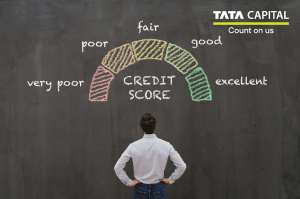
Last but not least, lenders look at an applicant’s credit score before approving their loan application. A credit score of 700 or above significantly improves approval chances.

Loan amount and tenure options

Since low-salary personal loans are given to those with a modest income, they typically entail smaller loan amounts and shorter repayment tenures. The maximum amount an individual can borrow and the maximum tenure depend on their income and repayment capability. Factors such as credit score and existing liabilities also play a crucial role. Lenders usually offer loan amounts ranging between Rs. 25,000 and Rs. 5 lakhs for low-income earners. The repayment tenures for these loans may range from 12 to 60 months.

The borrower must choose an appropriate loan amount and tenure that fits comfortably within their monthly repayment capacity. A longer tenure reduces the EMI (Equated Monthly Installments) burden but increases total interest outflow. On the other hand, a shorter tenure leads to higher EMIs but faster loan closure and lower interest outgo. Flexible personal loan options help low-income earners manage short-term financial needs without disrupting their monthly budget.

The table below depicts how EMIs and the total interest may vary with tenure for a personal loan of Rs. 1 lakh at an interest rate of 14% per annum:

Loan TenureApprox EMITotal InterestTotal Repayment
12 monthsRs. 8,979Rs. 7,745Rs. 1,07,745
24 monthsRs. 4,801Rs. 15,231Rs. 1,15,231
36 monthsRs. 3,418Rs. 23,039Rs. 1,23,039
48 monthsRs. 2,733Rs. 31,167Rs. 1,31,167

Interest rates and processing fees

For a low-salary personal loan, the overall cost of borrowing depends on two key factors: the interest rate and the processing fee. The low-salary personal loan interest rate is the rate at which a borrower is required to pay interest to the lender. It’s expressed as a percentage of the loan amount levied per annum. For instance, if a borrower takes a personal loan of Rs. 1 lakh for a year at an interest rate of 12% per annum, they will pay Rs. 12,000 as interest. The processing fee, on the other hand, is a one-time charge that lenders levy on the loan amount for evaluating and approving loan applications. This fee is usually deducted from the loan amount before disbursal.

  • Interest rate range

Typically, the low-salary personal loan interest rate ranges from 12% to 16% per annum. The exact rate of interest depends on the applicant’s income level, credit score, and employment type. Borrowers with a stable job and a high credit score can secure lower rates, while those with limited credit history may face higher charges. Furthermore, banks may offer lower interest rates on personal loans as compared to NBFCs, but have stricter eligibility criteria.

  • Processing fees

Most banks and NBFCs charge a processing fee of 1% to 3% on low-income personal loans. This percentage is levied directly on the loan amount. For instance, for a loan of Rs. 1 lakh, a 2% processing fee equals Rs. 2,000. This charge is generally fixed for all borrowers, irrespective of their credit score and other eligibility parameters.

Apart from the interest rate and processing fee, other low-income personal loan charges include documentation fees, late payment penalty, and pre-payment charges, among others.

How to apply for a low-salary personal loan?

The process to apply for a low-salary personal loan is pretty straightforward. Most banks and NBFCs allow borrowers to do so online through their mobile app or official website. However, those comfortable with the traditional method of applying offline can visit the lender’s nearest branch to complete their low-income personal loan application.

Below are the steps on how to apply for a low-salary personal loan online and offline:

Online process:

  1. Step 1 – Visit the lender’s official website or download the mobile app.
  2. Step 2 – Go to the Personal Loan section and browse for the low-salary personal loan page.
  3. Step 3 – Click on the Apply Now button.
  4. Step 4 – Fill out an online low-income personal loan application form with basic details, including name, income, employment type, residential address, contact information, etc.
  5. Step 5 – Upload scanned copies of required documents. These may include government-approved identity proof, address proof, income proof, and employment proof.
  6. Step 6 – Submit the application and wait for the verification process.

Offline process:

  1. Step 1 – Visit the nearest branch of the lender.
  2. Step 2 – Get in touch with a representative and seek help with the loan application process.
  3. Step 3 – Fill out a personal loan application form and submit the self-attested photocopies of the required documents.
  4. Step 4 – Wait for the loan approval. The lender may ask for some additional details or documents during the process.

Tips to improve approval chances

  • Maintain a steady job for 6 to 12 months before applying
  • Make sure to fulfill the lender’s eligibility criteria
  • Maintain a credit score of 700 or more
  • Apply for a smaller amount to begin with
  • Ensure complete and accurate documentation
  • Add a co-applicant

Alternatives to low-salary personal loans

In case an individual does not qualify for a low-salary personal loan, they can check out other alternatives to get access to credit. Below are the common personal loan alternatives low-income borrowers can consider:

  1. Credit cards

A credit card is a highly useful financial product that allows users to borrow small personal loans instantly up to a certain limit. It works and looks similar to a debit card, allowing users to make payments, withdraw money, and tackle short-term financial contingencies. However, one may incur very high interest rates if they fail to pay their credit card bill on time.

  1. Salary advance

Some fintech platforms allow salaried individuals to withdraw their salary amount in advance. It’s a quick and hassle-free method to get access to finances during an emergency. However, it reduces the borrower’s next month’s income and shouldn’t be used frequently.

  1. Peer-to-Peer loans

Peer-to-Peer or P2P lending platforms allow borrowers to connect and borrow money from individual lenders online. These loans may have flexible eligibility and moderate interest rates, but often involve high risks for both lenders and borrowers.

  1. Microloans

Several financial institutions offer microloans or small personal loans for individuals and start-up business owners. These loans are ideal for urgent financial needs. However, they often entail limited amounts and ultra-short repayment tenures.

Tips to improve loan approval for low-income borrowers

Sometimes, securing a low-income personal loan can become a challenging task. However, with the right approach and careful planning, one can improve their chances of loan approval. Here are some practical low-income personal loan approval tips that can help:

  1. Improve credit score

A credit score of 700 or more signals responsible financial behaviour and helps in loan approval. One can improve their credit score by paying credit card bills and EMIs on time, maintaining a low credit utilization ratio, and avoiding applying for new loans frequently.

  1. Reduce existing debt

Lenders often evaluate an applicant’s repayment capabilities by looking at their existing debts. Those who are already juggling too many loans may find it hard to get a new personal loan. Conversely, clearing existing debts strengthens the chances of loan approval.

  1. Maintain bank statements

Consistent salary credits, controlled spending, and a positive monthly balance reassure lenders of financial stability. This, in turn, enhances loan approval chances.

  1. Provide additional income proof

Providing proof of side income from freelancing, rent, etc., shows higher repayment ability and can help secure a larger loan or better terms.

  1. Choose the right lender

Different lenders have varied eligibility rules. NBFCs and fintech platforms are often more flexible with low-salary personal loan applicants, offering higher loan amounts with relaxed conditions.

More About Loans

FAQs

Can I get a personal loan if my salary is Rs. 12,000 per month?

Yes, you can. Many banks and NBFCs offer low-salary personal loans to individuals earning around Rs. 12,000 per month. The chances of loan approval depend on multiple factors, including job stability, credit score, and employer type.  

What is the maximum loan amount for low-salaried borrowers?

The maximum loan amount may vary for different borrowers. It usually depends on factors such as the applicant’s monthly income, credit score, age, employment type, and work experience, among others. Lenders usually offer low-income personal loans of up to Rs. 5 lakhs in India.

Can I apply online for a low-salary personal loan?

Yes. Several banks and NBFCs allow you to apply for a low-salary personal loan online through their official websites or mobile apps. All you have to do is fill out an online application form by entering your basic details and uploading the required documents.

Will a low credit score affect approval?

Yes. A low credit score may affect the approval of your personal loan application. Lenders view it as a sign of higher risk and, hence, refrain from providing unsecured loans to applicants with a low credit score. It’s best to improve your credit score to at least 700 before applying.  

Are there alternatives if I don’t qualify for a personal loan?

Yes. In case you do not qualify for a personal loan or if your personal loan application gets rejected, you can consider several alternatives to get access to financing during an emergency. Some common personal loan alternatives include credit cards, salary advances, peer-to-peer loans, and microloans.