Get the Tata Capital App to apply for Loans & manage your account. Download Now

Blogs

SUPPORT

Tata Capital > Blog > Credit Score > What are credit bureaus and how do they work in India?

Credit Score

What are credit bureaus and how do they work in India?

What are credit bureaus and how do they work in India?

Summary

A credit bureau refers to a company that gathers and maintains financial data about an individual’s borrowing and repayment history. It is also known as a credit reporting agency. The data stored with a credit bureau is used to prepare your credit report and estimate your credit score. The credit score is a three-digit number used by lenders to assess your creditworthiness before sanctioning a loan or a credit card. India has four primary credit bureaus, including Experian, Equifax, TransUnion CIBIL, and CRIF High Mark. These are regulated by the Reserve Bank of India (RBI).

A credit bureau collects financial data from lenders, credit card companies, and financial institutions to compile your credit report and calculate your credit score.

In today’s world, getting a loan during a financial emergency has become a fairly simple process. But have you ever wondered what happens behind the scenes when lenders decide to approve your loan?

It all comes down to your credit history. This crucial record reflects your past borrowing behavior, giving lenders an idea of how well you manage debt and whether you’re likely to repay on time. At the core of this system are credit bureaus. These organizations carefully maintain credit histories for a wide range of borrowers.

Their primary role is to support responsible lending by helping both borrowers and lenders make informed decisions. To know more about the credit bureau’s meaning, and how they operate, continue reading.

What are credit bureaus?

Credit Bureaus, or credit reporting agencies, are databases that collect and store numerous individual financial behavior data. This data includes details about payment history, credit accounts, and outstanding debts.

Non-banking financial companies (NBFCs), banks, credit card companies, and other financial institutions are some of the major clients of credit bureaus. In India, credit bureaus are regulated by the Credit Information Companies (Regulation) Act, 2005, and the Reserve Bank of India (RBI).

Also, read – Experian vs CIBIL

What is a credit score, and how is it linked to credit bureaus?

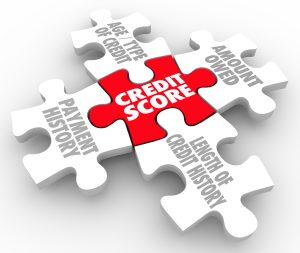
A credit score is a three-digit number that shows how responsible you are when it comes to managing borrowed money. It depends on factors such as repayment history, credit usage, and credit inquiries. The credit score is estimated by an agency known as a credit bureau. For the purpose of this calculation, bureaus obtain the data from banks, financial institutions, and credit card companies. Credit bureaus use this collected information to create a credit report. It helps lenders assess your creditworthiness.

What are the different types of credit bureaus?

In India, there are four major credit bureaus that collect borrowers’ past financial records. They are:

1.    TransUnion CIBIL (Credit Information Bureau India Limited)

TransUnion CIBIL is one of the top credit bureaus in India that keeps track of millions of credit reports in its vast database. These reports include detailed records on credit histories, how people pay back loans, and their credit scores. The main purpose of TransUnion CIBIL is to empower lenders to evaluate creditworthiness effectively, enabling them to make smart, informed lending decisions.

2.    Equifax

Equifax is a major player in the world of credit information, extending its services into India as well. This company meticulously gathers credit data from various sources to create comprehensive reports and scores for businesses and individual borrowers.

3.    Experian

Experian is yet another top credit bureau in India that plays an important role in tracking credit information. It gathers credit-related information from various sources, producing insightful credit reports and scores.

4.    CRIF High Mark

CRIF High Mark is also one of the top credit bureaus in India. It focuses on providing solid credit information and risk management solutions so businesses can understand their financial standing and make informed financial decisions. Like the rest of the credit bureau types, the CRIF High Mark also provides detailed credit reports and scores from various sources.

Also, read – CIBIL score vs. credit score

How do credit bureaus operate? A step-by-step breakdown

Credit bureaus are pivotal players in the financial landscape, serving as trusted intermediaries between consumers and various lending institutions. It helps in:

Step 1: Collecting credit data from lenders and financial institutions

Credit bureaus act as financial scouts in gathering credit information from various sources, such as banks, non-banking financial companies (NBFCs), credit card issuers, and other financial institutions. This information includes credit accounts, payment history, defaults, bankruptcies, and credit inquiries, which are then converted into comprehensive credit reports.

Step 2: Storing and maintaining your credit records

Besides collecting credit data, these bureaus help maintain it diligently. They update the database with the latest changes. For instance, the information is meticulously sourced and updated when you open or close an account, make a payment, or experience any defaults or bankruptcies. This is to make sure that the database provides accurate and up-to-date results.

Step 3: Compiling your credit report from collected data

One of the noteworthy services provided by credit bureaus is the creation of credit reports, which serve as a detailed narrative of your credit history. It highlights key details of your credit history, such as credit accounts, payment habits, defaults, bankruptcies, and inquiries. In short, they provide you with a complete picture of your creditworthiness.

Step 4: Calculating your credit score from report data

Depending on your credit history, the credit bureaus help determine your credit scores. This is a three-digit score that reveals your overall creditworthiness. It is through this score that a lender decides whether to approve your loan application.

Step 5: Sharing credit data with lenders and authorized parties

Credit bureaus do not keep credit information to themselves. Instead, they share it with lenders and borrowers. Lenders use these credit reports and scores to evaluate the trustworthiness of a loan applicant. On the other hand, borrowers can check out their own reports and scores to better understand their credit health and where they stand financially.

Also, read – What Does Written-Off Mean in CIBIL?

Why is understanding credit bureaus important for borrowers?

It is important for borrowers to understand what a credit bureau is for the following reasons:

  1. Helps you track your credit health: Credit bureaus maintain your credit report and score. It helps you understand your financial standing.
  2. Improves loan approval chances: When you can monitor your credit report, you can identify and fix issues that may affect loan approvals.
  3. Detects errors early: As the credit bureau allows you to access your credit report, you can spot incorrect information early and request corrections so that lenders judge your creditworthiness accurately.
  4. Encourages better credit habits: Understanding how bureaus assess credit motivates you to make timely payments and manage debt responsibly.

How to get your credit report from a credit bureau in India?

Here’s how you can get your credit report from a credit bureau in India:

  1. Visit the bureau’s website: Go to the official website of a credit bureau such as TransUnion CIBIL, Experian, Equifax, or CRIF High Mark.
  2. Enter your details: Fill out the required information, such as your name, PAN, date of birth, and contact details.
  3. Complete verification: Verify your identity through security questions or a One-Time Password (OTP) received on your registered mobile number.
  4. Access your report: Once verified, download or view your credit bureau report and score online.
  5. Review the information: Check the report for accuracy and report any errors promptly.

How to raise a dispute with a credit bureau if you find an error?

If you find an error in the credit report, you must raise a dispute with the credit bureau by following the steps mentioned below:

  1. Review your credit report: Go through your report carefully to identify any incorrect information, such as wrong personal details or loan records.
  2. Submit a dispute request: Visit the credit bureau’s website and file a dispute through its online portal.
  3. Upload supporting documents: Provide documents that prove the information is incorrect.
  4. Wait for verification: The bureau will verify the details with the concerned lender.
  5. Check the updated report: After the bureau notifies you that the error has been rectified, make sure you review the credit report to ensure it has been done accurately.

Bottom line

As the Indian economy keeps growing, credit bureaus are becoming crucial in the financial ecosystem. They help provide solid insights into creditworthiness and reduce the risks associated with lending.

Want to apply for a loan? Then, check out your credit score and report on the Tata Capital website or app to determine your creditworthiness. Just input your personal details (for new users) or the OTP generated via your mobile number (for old users) to generate the credit score and report in seconds!

FAQs

How often do lenders report data to credit bureaus in India?

Most lenders report borrower information to credit bureaus every month. However, the exact reporting frequency may vary slightly between financial institutions.

Does checking my own credit report from a bureau affect my credit score?

No. When you check your own credit report, it is considered a soft inquiry. Credit scores are impacted by hard inquiries, which are generally made by lenders and financial institutions.

Can a credit bureau refuse to correct an error on my credit report?

Yes, a credit bureau can refuse to correct an error on your credit report if the lender confirms that the reported information is accurate. Moreover, if the evidence you have provided is rejected, your request for correction can be rejected.

How long does negative information stay on a credit report in India?

Negative information, such as missed payments or loan defaults, may remain on your credit report for several years. It depends on bureau policies.

Are all four credit bureaus in India equally reliable for lenders?

All four RBI-authorized credit bureaus are reliable in India. However, lenders may prefer one bureau over another based on their internal processes and the efficiency of credit bureau services.

Can a credit bureau share my credit report without my consent?

Generally, a credit bureau shares your report with lenders or other authorities only when you give consent. This can be while applying for a loan or a credit card.

What happens if two different credit bureaus show different credit scores for me?

The scoring models and data updates may vary from one bureau to another. This can lead to score variations. Lenders usually consider the report they access.

Is it mandatory to register with all four credit bureaus in India?

No. You do not need to register with all four bureaus. Your credit bureau information is reported by participating lenders automatically.