Get the Tata Capital App to apply for Loans & manage your account. Download Now

Blogs

SUPPORT

Tata Capital > Blog > How to Read Your CIBIL Report (and What STD, SUB, LSS and DPD Mean)

Credit Score

How to Read Your CIBIL Report (and What STD, SUB, LSS and DPD Mean)

How to Read Your CIBIL Report (and What STD, SUB, LSS and DPD Mean)

Summary: Understanding your CIBIL report becomes easier by reviewing your score, account details, repayment history and enquiries. You should learn what the STD, SUB, DBT, LSS and DPD indicate, and how these codes affect your credit profile. Learn what steps to take ahead if you identify the negative or inaccurate entries.

A CIBIL report provides a detailed account of your credit history, including your loans, credit cards, repayment history and recent credit enquiries. If you understand how to read a CIBIL report, you will be able to spot any errors and understand how lenders view your credit profile. Terms such as LSS in CIBIL, STD, SUB, DBT and DPD may at first appear confusing, but each of them has a specific meaning. STD generally indicates a Standard account, while SUB, DBT and LSS represent progressively more serious account classifications.

The Sections of a CIBIL Report

A CIBIL report may look complicated, but it involves several key sections. Once you know what each section is, you can easily scan your report within minutes.

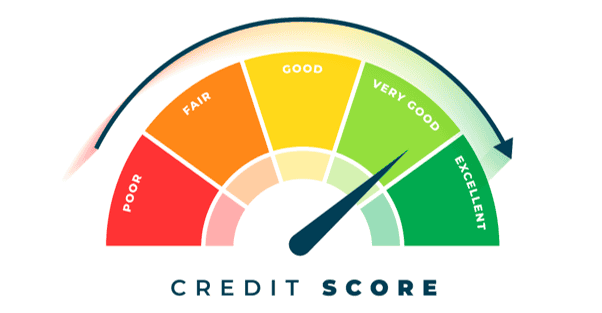
  • Score: Your score ranges from 300 to 900, with a higher score indicating that your credit profile is stronger.
  • Personal Information: This includes details such as your name, date of birth, and other information that may be used to identify you. Ensure that the details are correct.
  • Contact Information: The section contains your current addresses with your contact numbers and email information you provided.
  • Account Information: It is one of the important sections because it provides a list of your loans and credit cards with your account status,  outstanding amounts, payment history and other details. This is the section where you will see STD, DBT, LSS, DPD and SUB in CIBIL.
  • Enquiry Information: It shows the record of every lender who has checked your credit record.
  • Employment Information: This section contains employment-related information reported by credit institutions.

If you are wondering how to read a CIBIL report, you can start checking your score and personal details, then review every account and its repayment history. Also, carefully check the account section because it shows how your credit has been managed over time.

See a Sample CIBIL Report (Annotated)

A CIBIL report sample can make the different fields easier to identify. It contains:

  • CIBIL Score
  • Personal Information
  • Contact Information
  • Account Information
  • Account Line
  • Account Status
  • DPD grid
  • Enquiry Information

Account Status Codes Explained: STD, SUB, DBT, LSS

Account-status codes help you understand how a lender has classified an account. The table below explains STD, SUB, DBT, LSS and other entries you may encounter.

StatusFull FormWhat It MeansGood or Bad?What You Can Do
STDStandardPayments are being made within 90 days. Any account overdue by more than 90 days is classified as an NPA by banks.GoodMake the repayments on time to maintain this status.
SUBSub-StandardAn account that has remained an NPA for up to 12 months.WarningClear your overdue amount as soon as possible and resume regular payments.
DBTDoubtfulThe account has remained a Sub-Standard account for a period of 12 months.SeriousContact your lender about a resolution plan and clear the outstanding dues urgently.
LSSLossAn account where loss has been identified and remains uncollectible.Most negativeContact the lender to understand the account status and repayment/settlement options, then maintain timely payments on other accounts.
000Not a full-form/status codePayment was made as per the due date, with no deviation or late payment.GoodContinue paying on or before the due date.
XXXNot a full-form/status codeThe bank/lender has not reported information for those months.Neither inherently good nor badCheck with the lender if the reporting gap persists or if the account details are inaccurate.
SMASpecial Mention AccountA special account classification used for reporting a Standard account that is moving towards Sub-Standard.WarningReview the overdue amount and make payments promptly to prevent further deterioration.

Important: LSS stands for “Loss” in CIBIL’s official glossary. It should not be expanded as “Lender Settled Status.” “Settled” is a separate account-status concept and should not be conflated with LSS.

Also Read – How to Check Your CIBIL Score Online Without a PAN Card

What is DPD (Days Past Due)?

DPD is Days Past Due and is displayed as a monthly grid alongside each account. Each entry tells you how many days late that particular payment was:

  • 000 or STD: Paid on time.
  • XXX: No data was reported for that month.

A DPD figure of 000 is a good sign because it shows that there has been no reported delay in payment. The more days overdue the figure becomes, the more lenders will be concerned about the borrower’s repayment behaviour.

The DPD grid may also display asset-classification codes such as STD, DBT, LSS and SUB in CIBIL. These codes are different from numerical DPD values such as 000, 030 or 060.

CIBIL’s current guidance indicates that payment history can be reported for up to 36 months. An account that becomes overdue by more than 90 days can be classified as an NPA, after which the relevant asset classification may become SUB.

Which Statuses Are Good and Which Are Warnings?

A quick way to read your CIBIL report is:

  • Good: STD status, DPD of 000.
  • Warning: SUB status, or DPD numbers that are climbing month over month.
  • Serious: DBT, LSS, or any account marked written-off or settled.

Any negative entry can have an impact on your chances of loan approval and on the interest rate given on future loans. However, lenders consider multiple factors when assessing a credit application, so a negative entry does not by itself determine whether a loan will be approved or what rate you will receive.

If you want to improve your situation, you should know exactly where you currently stand. To get more ideas on how to rebuild your profile, make sure you understand the maximum CIBIL score to improve your credit mix.

Also Read – What is credit review and how does it work?

I See a Negative Status — What Should I Do?

Identifying the DBT, LSS or SUB in CIBIL report can be unsettling, but there is a clear path forward.

  • Check that it’s correct: Reporting errors may happen, a payment that was actually made on time, or an account that isn’t yours. If the information is inaccurate, you can raise a dispute through CIBIL’s official dispute process or through your myCIBIL account. CIBIL verifies the dispute with the concerned credit institution, and any correction is made based on the lender’s confirmation.
  • If it’s a real delay: If the delay is genuine, pay the overdue amount and then make the next payment on time. The information may remain in your credit history for a period of time. Building a consistent record of on-time repayments can help strengthen your overall credit profile over time.
  • If it’s a settlement or write-off (LSS): Settlement or write-off should not be described as LSS itself. LSS means Loss in CIBIL’s asset-classification terminology. These are serious statuses that future lenders may consider when assessing a credit application. Work with the lender to understand the status and resolve outstanding issues where possible.

Additionally, do not fall for “instant CIBIL fix” scams. It is impossible for anyone to erase an accurate default or settlement from your report overnight. Be aware of anyone who claims this for a fee. The only real route is verified dispute resolution or time, along with your good repayment behaviour.

Read More – How to build a credit score from scratch

Conclusion

Reading the CIBIL report will enable you to get a better understanding of your credit score, account details, payment history and the credit enquiries that have been made. STD is a Standard classification, while SUB, DBT and LSS indicate increasingly serious asset classifications. DPD shows how many days a payment was reported late, while 000 indicates payment as per the due date and XXX means information was not reported for that period.

Check every entry for errors and raise a dispute through official channels if you find inaccurate information. If a negative entry is accurate, its impact can reduce over time through consistent, on-time repayments rather than shortcuts. Before applying for a personal loan, you can check your eligibility with Tata Capital and explore suitable personal loan options.

Disclaimer: This content is for general informational purposes only. Credit status and repayment information are reported to TransUnion CIBIL by lenders. Always verify the details in your specific CIBIL report and raise disputes through official channels if you identify an error.

FAQs

What does STD mean in a CIBIL report?

STD in CIBIL means "Standard" and indicates that payments are being made within 90 days. It should not be interpreted as meaning that a payment was necessarily delayed by less than 90 days. It is a positive sign of repayment behaviour and may work in your favour while applying to lenders.

What does SUB mean in a CIBIL report?

The SUB full form in CIBIL is 'Sub-Standard'. CIBIL describes a SUB account as one that has remained an NPA for up to 12 months. It is a warning signal that may negatively affect how lenders assess your creditworthiness until the underlying repayment issues are addressed.

What is the full form of LSS in CIBIL?

LSS stands for the "Loss" asset classification in CIBIL. It refers to an account where loss has been identified and remains uncollectible. It should not be expanded as "Lender Settled Status", and it should not be confused with a separate "Settled" account status.

What does DPD mean in a CIBIL report?

DPD means "Days Past Due". It is a month-by-month figure that shows how many days each payment was late. 000 indicates that the payment was made on time, whereas an increasing figure shows a growing repayment risk to lenders. XXX means that information was not reported for that month.

How do I read my CIBIL report?

To read your CIBIL report, start by looking at your score, then go on to the account information section, which gives a list of each loan or card together with its status (STD, SUB, DBT, LSS) and its DPD grid. You can also check your personal details and the enquiry records in the report. Review your contact and employment information as well, and check each section for errors or unfamiliar entries.

Can I remove a SUB or LSS status from my report?

No. You cannot remove an accurate status instantly, and no legitimate service can do this. If the entry is a genuine reporting error, you may dispute it for free with CIBIL. However, if it reflects a real delay or an accurate adverse classification, its impact may reduce over time with consistent, on-time repayments.

Is STD good or bad in a CIBIL report?

STD is good. It reflects a Standard account classification where payments are being made within 90 days and is generally viewed more positively than accounts with serious adverse classifications.