Health Insurance



Personal loan starting
@ 11.50% p.a
All you need to know
Personal loan for all your needs
Check Your Credit Score
Higher credit score increases the chances of loan approval. Check your CIBIL score today and get free insights on how to be credit-worthy.
Check Credit Score
Home Extension Loan Affordable Housing Loan PMAYQuick Cash Plot & Construction Loan Balance Transfer Home Loan Top Up Home Loan EMI Calculator PMAY Calculator Balance Transfer & Top-up Calculator Home Loan Eligibility Calculator Area Conversion Calculator Stamp Duty CalculatorKnow MoreCheck Credit Score Home Loan Rates & Charges Home Loan Documents Required Home Loan Online RERA Approved Housing Projects
Business Loan EMI Calculator Business Loan Pre-payment Calculator GST Calculator Foreclosure Calculator Hybrid Term Loan Machinery Loan MSME Loan Small Business LoanBusiness Loan Rates & Charges Business Loan Documents Required
Used Car Loan Loan On Used Car New Car Loan Two Wheeler Loan Used Car EMI Calculator Two Wheeler EMI Calculator Apply Now Apply Now
Know More Apply Now Loan Against Securities Rates & Charges Loan Against Securities Documents Required Loan against Shares Loan against mutual funds Check Credit ScoreLoan Against Securities Rates & Charges Loan Against Securities Documents Required
Know More Apply Now Loan Against Property Rates & Charges Loan Against Property Documents Required EMI Options Hybrid Term Loan Secured BL (SBL) Loan Against Property EMI Calculator
Know More Apply Now Education Loan Rates & Charges Education Loan Documents Required Education Loan EMI Calculator Request a Callback

Sign in to unlock
special offers!
Health Insurance plans insure you against unexpected medical emergencies and keep your family’s financial stable during a testing time. Keeping in mind rising medical costs and spurt of diseases, buying a health insurance is mandatory. A medical emergency can knock on anyone’s door and impact a person both emotionally and financially. Thus, it is prudent to buy a health insurance plan early in life.
Disclaimer: Tata Capital Limited (“TCL”) bearing License no. CA0896 valid till 21-Jan-2027, acts as a Composite Corporate Agent for TATA AIA Life Insurance Company Limited, HDFC Life Insurance Company Limited, BAJAJ Allianz Life Insurance Company Limited, Kotak Mahindra Life Insurance Company Limited, GO DIGIT Life Insurance Company Limited, TATA AIG General Insurance Company Limited, IFFCO Tokio General Insurance Company Limited, GO DIGIT General Insurance Company Limited, Cholamandalam MS General Insurance Company Limited, Magma HDI General Insurance Company Limited, The Oriental Insurance Company Limited, Star Health and Allied Insurance Company Limited, United India Insurance Co. Ltd, National Insurance Company Limited, and Niva Bupa Health Insurance Company limited.
Please note that, TCL does not underwrite the risk or act as an insurer. For more details on the risk factors, terms & conditions please read sales brochure carefully of the Insurance Company before concluding the sale. Participation to buy insurance is purely voluntary.
The Registered office of TCL is Tata Capital Limited, 11th Floor, Tower A, Peninsula Business Park, Ganpatrao Kadam, Marg, Lower Parel, Mumbai-400013
There are various kinds of health insurance policies and it is extremely important to understand them all beforehand.
This policy covers the surgical and hospitalisation expenses of an individual, singly. Premium is paid based on the age, past medical records and pre-existing disease(s) of the individual only.
Popularly known as the family floater health insurance policy, this policy covers the surgical and hospitalisation expenses of the entire family. For the purpose of a family health insurance policy, a family is defined as the individual, their spouse and their children only.
The premium paid covers every family member and the insurance limit can be used for any of the family members in a given year. Premiums are determined based on the age of the eldest member in the group, the health history of all members being covered and pre-existing diseases, if any, at the time of first taking the insurance policy.
This type of health insurance is provided by organisations to their employees and may also be extended to the family members of the employees, depending upon the organisation internal policies. This health insurance policy works in a similar manner as an individual health insurance policy or a family health insurance policy (depending on who all are covered by the same) with the major difference being that the premium is paid by the employer, and the policy benefits end in case the individual leaves the organisation.
Under this policy, the policyholder is provided with a large lump sum figure, in case of being diagnosed with a life-threatening disease. The list of such illnesses is shared at the time of purchase of the policy and is restricted to the same. The objective of this policy is to help the policyholder pay for expensive treatments, which are generally linked to these critical illnesses and to replace their income during the long associated treatment periods.
Companies often health insurance policies to senior citizens as well. As people above a certain age are more susceptible to illnesses, the premium being paid here is generally higher.
A health insurance policy is essential for safeguarding your health and finances. It provides protection against unexpected medical expenses while ensuring access to quality healthcare. Here’s why you should consider buying health insurance online:
Financial Protection: Covers hospitalisation costs and critical treatments, reducing the burden of unexpected medical bills.
Access to Quality Healthcare: Enables timely treatment at trusted hospitals without worrying about affordability.
Peace of Mind During Emergencies: Ensures you and your family are financially secure during sudden health crises.
The eligibility criteria depends upon the insurers T&C’s. Factors like age, pre - existing diseases and pre-medical screening are considered while evaluating.
Age for children: 90 days – 25 years
Health insurance in India follows a simple process that helps you manage medical costs without financial stress. Here’s how it typically works:
You pay a regular premium (monthly, quarterly, or annually) to keep your policy active.
You receive a policy document and health card with your health insurance coverage details.
If you fall ill or meet with an accident, you can get cashless treatment at a network hospital.
If treated elsewhere, you pay first and apply for reimbursement.
The insurer settles eligible expenses as per your policy terms and limits.
Health insurance helps protect you and your family from rising medical costs while offering reliable financial support when you need it most. Key health insurance benefits include:
Financial security: Health insurance coverage helps manage hospitalisation, treatment, and recovery costs without straining your savings.
Wide medical coverage: Covers expenses related to in-patient care, day-care procedures, and pre- and post-hospitalisation needs.
Cashless hospitalisation: Enables access to treatment at network hospitals without upfront payments.
Protection against critical illnesses: Provides financial support for serious health conditions and long-term treatments.
Preventive healthcare support: Includes health check-ups and screenings for early detection and better health outcomes.
A health insurance premium is the amount you pay (monthly or yearly) to keep your policy active. It’s calculated based on factors like your age, health condition, coverage amount, and policy type. For example, a 25-year-old buying basic cover usually pays less than a 45-year-old with higher coverage. When you buy health insurance online, you can compare plans easily and choose a premium that fits your needs and budget.
Choosing from the best health insurance plans starts with understanding your healthcare needs and selecting a provider you can trust. When buying health insurance in India, keep these factors in mind:
Coverage & suitability: Pick a plan that covers hospitalisation, daycare procedures, ambulance charges and other essential medical expenses relevant to your lifestyle and family size.
Easy online purchase and renewal: Choose insurers that offer simple, paperless buying and renewal for convenience and faster policy issuance.
Transparent policies and competitive premiums: Look for clear terms on waiting periods, co-payments and deductibles, along with affordable premiums.
Health insurance coverage defines the medical costs your policy pays for. This includes hospitalisation, pre- and post-treatment expenses, and day-care procedures, depending on the policy. It may offer cashless or reimbursement claims. Comparing health insurance quotes helps you understand benefits, exclusions, and choose suitable coverage.
Most health insurance plans are designed to offer comprehensive financial protection across different stages of treatment. While coverage may vary by policy, common health insurance benefits typically include:
Hospitalisation expenses, including room rent, nursing, and ICU charges
Pre- and post-hospitalisation costs such as diagnostics and follow-up care
Doctor consultations and specialist visits during treatment
Surgery and procedure-related expenses, including day-care treatments
Medicines, consumables, and pharmacy bills during hospital stays
Coverage for critical illnesses as specified in the policy
Emergency ambulance services and patient transport costs
While health insurance benefits cover a wide range of medical needs, some expenses are typically excluded. Being aware of these helps you avoid unexpected out-of-pocket costs later:
Pre-existing conditions during the initial waiting period
Cosmetic or plastic surgeries unless medically necessary
Treatment for alcohol or drug addiction
Alternative or unproven therapies without clinical validation
Injuries from adventure or high-risk sports
Self-inflicted injuries or suicide attempts
Infertility treatments and sterilisation procedures
Congenital conditions present from birth
Hospitalisation only for tests or evaluation
Injuries caused by war, terrorism, or nuclear activity
Navigate to a health insurance premium calculator and enter your details: Start by sharing your age, city, and whether you’re buying individual or family health insurance plans.
Choose coverage type: Select the policy type, such as individual, family floater, or critical illness.
Select sum insured: Higher coverage usually means a higher health insurance premium.
Add riders, if needed: Add-ons increase protection and the premium amount.
To ensure timely and hassle-free reimbursement of your health insurance claim, keep the following documents ready and complete:
A duly filled and signed health insurance claim form
Original hospital bills, receipts, and discharge summary
Doctor’s prescriptions indicating hospitalisation, tests, and medicines
Diagnostic reports such as lab tests, scans, and investigation results
Pharmacy invoices for medicines purchased
A copy of your health insurance policy document
Valid photo identification and address proof
Navigate to the insurer’s official website or open the customer mobile app.
Log in to your account using your registered mobile number, email ID, or policy number.
Navigate to the ‘My Policies’ or ‘Policy Details’ section on the customer portal.
Select the relevant health insurance policy from the list displayed.
Click on ‘Download Policy,’ ‘View Policy,’ or ‘Get Policy Copy.’
Save the PDF to your device or email it to yourself for future reference.
If you face any issues, you can raise a request through the portal or contact customer support for assistance.
Renew your health insurance online in just a few steps:
Visit your insurer’s website and go to the health insurance renewal or login page.
Log in using your registered mobile number or credentials and enter your policy number.
Select the policy you want to renew and review coverage details and the premium amount.
Make the renewal payment securely using net banking, UPI, or a debit/credit card.
Receive instant confirmation and the renewed policy document via email or SMS.
Understanding what affects your health insurance premium can help you make informed choices. Here are the key factors:
Age: Younger individuals generally pay lower premiums, while older individuals may face higher costs due to increased health risks.
Medical History: Pre-existing conditions can lead to higher premiums, as insurers anticipate higher chances of health issues.
Lifestyle Habits: Smoking, alcohol use, or working in hazardous environments can increase your premium. Honest disclosure is important to avoid claim issues.
Coverage Amount: Higher coverage or additional benefits, like critical illness or maternity riders, increase your premium.
Geographical Location: Urban areas often have higher medical expenses, impacting the cost of insurance.
Health insurance doesn’t just protect your health, it also offers valuable tax savings under Section 80D of the Income Tax Act. This provision allows you to deduct premiums paid for yourself, spouse, and dependent children from your taxable income, reducing your overall tax liability.
For individuals below 60 years, the limit is up to ₹25,000 per year, increasing to ₹50,000 if you’re a senior citizen (60+). You can also claim additional deductions for premiums paid for your parents, up to ₹25,000 (below 60) or ₹50,000 (if they’re seniors).
Combined, this can mean a maximum deduction of ₹1,00,000 when both you and your parents are senior citizens. For example, if you pay ₹30,000 for your family plan and ₹45,000 for your senior parents, you could claim ₹25,000 and ₹50,000, respectively, under Section 80D. These tax benefits support smarter financial planning by lowering taxable income while strengthening health cover.
Filing a health insurance claim is straightforward if you follow the right steps. Here’s how you can smoothly navigate both cashless and reimbursement claims:
Initiate the claim: Visit your insurer’s website, app, or branch office. For cashless claims, inform the network hospital in advance.
Submit documents: Provide essential documents such as medical bills, discharge summary, prescriptions, diagnostic reports, and a filled claim form.
Verification: The insurer reviews your claim and may contact you for additional details.
Claim settlement: For cashless, the insurer directly settles hospital bills. For reimbursement, the approved amount is credited to your account.
A Mediclaim policy is a type of health insurance that provides financial coverage specifically for hospitalisation expenses. This includes costs like room charges, doctor fees, and treatment bills.
Unlike broader health insurance plans, Mediclaim focuses primarily on in-patient care and usually requires hospitalisation before you can claim benefits. Policyholders are reimbursed for actual expenses incurred, so submitting hospital bills and related documents is essential.
Coverage limits are predefined, and these plans generally do not offer customisable options or family-wide coverage. For example, if you undergo surgery in a hospital, a Mediclaim policy will reimburse the treatment cost, whereas a standard health insurance plan may also cover outpatient treatments, preventive care, and additional add-ons.
| Comparison basis | Mediclaim | Health Insurance |
|---|---|---|
| Coverage | Only hospitalization costs such as surgery, room, and ICU charges | Offers broader coverage to include pre and post-hospitalisation, daycare procedures, ambulance charges and more. |
| Flexibility | Provides limited flexibility, with fixed benefits and sum insured | Offers greater flexibility in customizing sum insured and additional riders like maternity and critical illnesses. |
| Benefits | Requires a lower premium and offers a simple claims process | Offers extensive benefits, greater coverage and family floater options. |
Yes, senior citizens can buy health insurance plans from Tata Capital. The plans are designed to provide comprehensive coverage, ensuring financial protection and access to quality healthcare for senior citizens.

Submitted successfully





Uh oh, something went wrong
Please try again later.
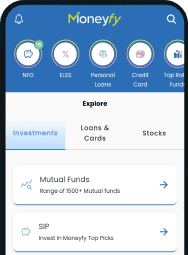

Start an SIP in minutes by signing up with the Tata Capital Moneyfy App. We are your one stop shop for all things investment.

 SMS sent successfully!
An SMS has been sent to XXXXXXX051
Click on the link in the message to download the Moneyfy App.



Looking for a seamless loan experience? Get the Tata Capital Loan App and Apply for loans, Download Account Statement/Certificates, Track your requests & much more.
SMS sent successfully!
An SMS has been sent to XXXXXXX051
Click on the link in the message to download the Moneyfy App.


Thank you for subscribing
We will send news and updates to your registered email ID

Trust the links that start from https://www.tatacapital.com

Do not make payments in any individual’s bank accounts.

Call our Customer Care Number 1860 267 6060 for assistance
For any assistance, contact our customer support


rahul.sharma@gmail.com













 Click allow button to receive notifications




 SMS sent successfully