टाटा कॅपिटल ॲपसह लोनकरिता अप्लाय करा आणि तुमचे अकाउंट मॅनेज करा.आत्ताच डाउनलोड करा

ब्लॉग

सहाय्यता

ऑफर्स क्विक पे

Tata Capital > Blog > What are the risks and charges associated with personal loans?

पर्सनल यूज लोन

पर्सनल लोनशी संबंधित जोखीम आणि शुल्क काय आहेत?

What are the risks and charges associated with personal loans?

पर्सनल लोन्स फंडचा त्वरित ॲक्सेस ऑफर करतात, परंतु ते काही खर्च आणि जोखीमांसह देखील येतात. जास्त व्याजदर, अतिरिक्त शुल्क आणि फिक्स्ड EMI वचनबद्धता कालांतराने फायनान्शियल भार वाढवू शकते. रिपेमेंट चुकल्यास तुमच्या क्रेडिट स्कोअर आणि भविष्यातील लोन क्षमतेवर देखील परिणाम होऊ शकतो. हे दोष समजून घेणे तुम्हाला अधिक काळजीपूर्वक आणि जबाबदार लोन निर्णय घेण्यास मदत करते.

टेक्स्ट:

जेव्हा तुम्हाला त्वरित फंडची आवश्यकता असते तेव्हा पर्सनल लोन्स अनेकदा जलद उपाय म्हणून पाहिले जातात. ॲप्लिकेशन प्रोसेस सामान्यपणे सरळ असते आणि अनेक लेंडर तत्काळ अप्रूव्हल ऑफर करतात. या सोयीमुळे, लोक अनेकदा वैद्यकीय गरजांसाठी पर्सनल लोन्स, प्रवासाचा खर्च, घर दुरुस्ती आणि इतर तातडीचा खर्च विचारात घेतात. तरीही, हे लक्षात ठेवणे महत्त्वाचे आहे की पैसे उधार घेणे नेहमीच काही दायित्वांसह येते. व्याज शुल्क, फी आणि रिपेमेंट वचनबद्धता कधीकधी तुमच्या मासिक बजेटवर दबाव आणू शकते.

या कारणास्तव, अप्लाय करण्यापूर्वी पर्सनल लोन पर्यायांचे लाभ आणि तोटे दोन्ही पॉझ करणे आणि रिव्ह्यू करणे योग्य आहे. हा ब्लॉग पर्सनल लोन म्हणजे काय हे स्पष्ट करेल, प्रमुख पर्सनल लोन रिस्क हायलाईट करेल आणि त्याचे प्रमुख फायदे आणि तोटे याविषयी चर्चा करेल जेणेकरून तुम्ही चांगले माहितीपूर्ण लोन निर्णय घेऊ शकता.

पर्सनल लोन म्हणजे काय, आणि ते कसे काम करते?

पर्सनल लोन हे बँक आणि नॉन-बँकिंग फायनान्शियल कंपन्या (एनबीएफसी) द्वारे वैयक्तिक वापरासाठी व्यक्तींना दिले जाणारे लोन आहे. हे मल्टी-पर्पज लोन्स आहेत, याचा अर्थ असा की तुम्ही त्यांचा वापर विविध उद्देशांसाठी करू शकता, जसे की वैद्यकीय आपत्कालीन परिस्थितीचा सामना करणे, कौटुंबिक सुट्टीचे नियोजन करणे किंवा तुमच्या स्टार्ट-अप बिझनेसला फंडिंग करणे. होम लोन्स किंवा कार लोन्स प्रमाणे, पर्सनल लोन्स तारण-मुक्त असतात. तुम्हाला कोणतीही ॲसेट सिक्युरिटी म्हणून गहाण ठेवण्याची आवश्यकता नाही.

तुमचे पर्सनल लोन ॲप्लिकेशन मंजूर झाल्यानंतर, रक्कम थेट तुमच्या बँक अकाउंटमध्ये जमा केली जाते. तुम्ही निर्दिष्ट कालावधीमध्ये समान मासिक हप्त्यांमध्ये (EMI) लोन रक्कम रिपेमेंट करणे आवश्यक आहे. या हप्ते मध्ये लेंडरने आकारलेले प्रिन्सिपल आणि व्याज दोन्ही समाविष्ट आहेत. व्याजदर लोन प्रदात्यानुसार बदलू शकतो आणि सामान्यपणे सिक्युअर्ड लोनपेक्षा थोडा जास्त असतो.

What are the major disadvantages of taking a personal loan?

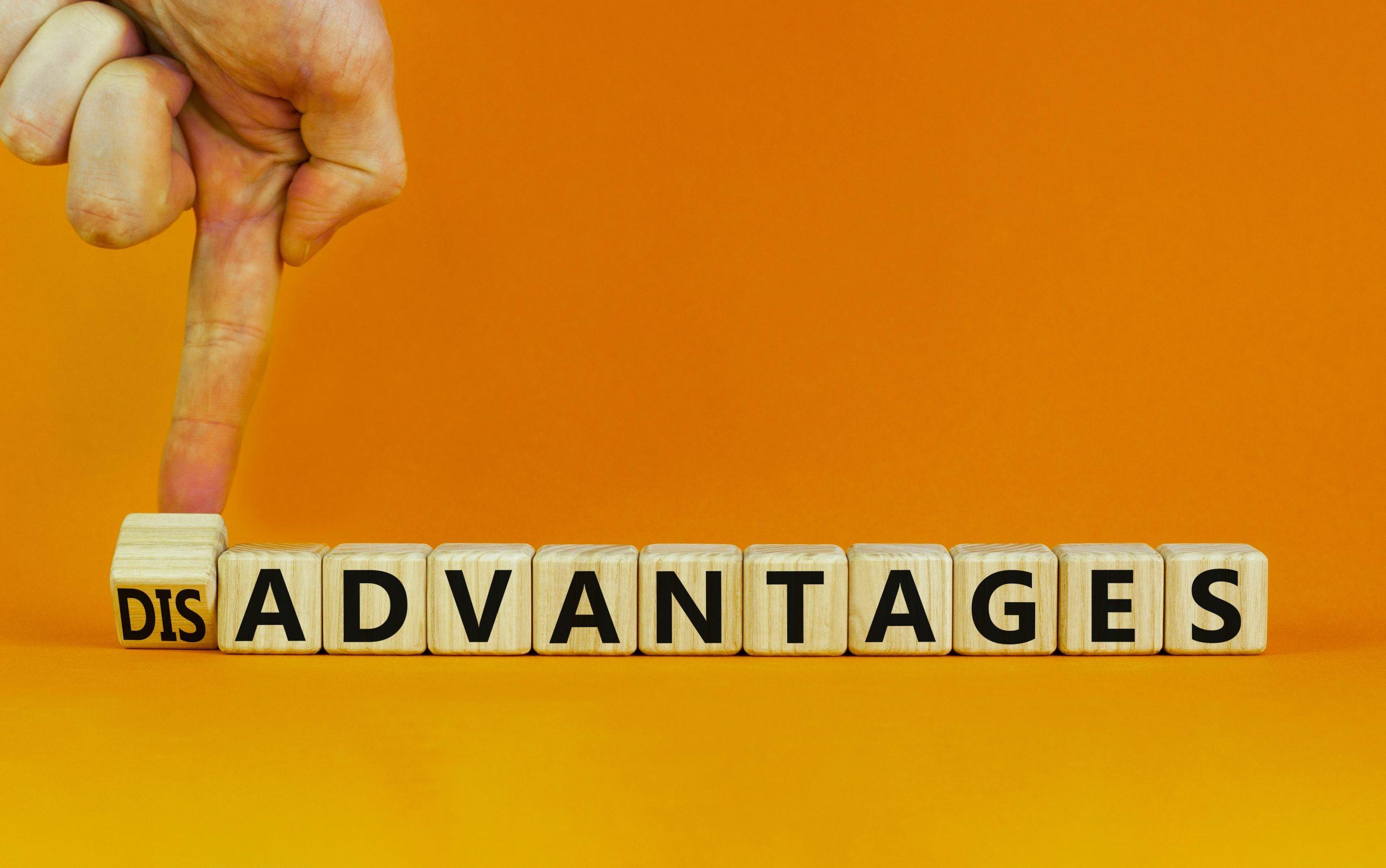
Personal loans can be helpful when you need funds quickly. You can use them to manage unexpected expenses such as medical bills, urgent travel, or home repairs. At the same time, you must remember that borrowing always comes with obligations. It is crucial to look beyond the immediate benefit and understand the disadvantages of personal loans before applying. Doing so can help you make a well-informed borrowing decision.

Here are some common personal loan risks you must know:

Highest interest rates compared to secured loans

One of the most common reasons not to take a personal loan is the higher interest rate. Since these loans are unsecured and do not require collateral, lenders take on greater risk. To balance this risk, the interest rates are usually higher than those on secured loans such as home loans or car loans. As a result, the total repayment amount may be significantly higher than the amount you originally borrowed.

Impact of fixed repayment obligations

Personal loans come with fixed monthly instalments (EMIs) that must be paid on time throughout the loan tenure. These EMIs remain constant regardless of changes in your income or expenses. If your financial situation changes unexpectedly, this repayment rigidity can strain your monthly budget. In case you fail to pay your EMIs on time, your credit score can take a hit.

Long repayment tenure can increase the total cost

Opting for a longer repayment tenure may reduce your EMI amount. However, it can increase the overall cost of the loan. Interest continues to accumulate for the entire duration of the loan. The longer the repayment tenure you choose, the higher your interest outgo will be. Even a small difference in tenure can result in paying much more than the original loan amount over time.

Risk of debt trap for short-term needs

Taking a personal loan for short-term or non-essential expenses can sometimes lead to financial stress. If the borrowed amount is used without proper planning, repaying the loan may become difficult. In such situations, some borrowers may rely on another loan to manage existing payments, which can gradually create a debt trap. This is one of the important reasons not to take a personal loan.

What are some common charges and fees that increase loan cost?

Apart from interest, several additional charges may apply to a personal loan. These fees can increase the overall borrowing cost if you do not review them carefully before applying. The examples of such charges include:

  • Processing fee: Most lenders charge a one-time processing fee to cover administrative and verification costs. This amount is usually deducted from the loan disbursal.
  • विलंब पेमेंट फी: EMI चुकल्यास अतिरिक्त व्याजासह विलंब पेमेंट शुल्क लागू शकते.
  • दंडात्मक शुल्क: जर कर्जदार लोनच्या अटींचे पालन करण्यात अयशस्वी झाला तर लेंडर अतिदेय रकमेवर दंडात्मक व्याज लागू करू शकतात.
  • ओरिजिनेशन फी: काही लेंडर लोन अकाउंट सेट-अप करण्यासाठी आणि ॲप्लिकेशन प्रोसेसिंग करण्यासाठी ओरिजिनेशन फी आकारतात.
  • रोलओव्हर फी: जर तुम्ही तुमच्या लोन कालावधीच्या विस्तारासाठी किंवा मूळ लोन अटींमध्ये सुधारणा करण्यासाठी अप्लाय केले तर रोलओव्हर फी आकारले जाते.

तसेच, वाचा – पूर्व-मंजूर पर्सनल लोन म्हणजे काय?

मर्यादित रिपेमेंट लवचिकता

पर्सनल लोनचे आणखी एक प्रमुख नुकसान म्हणजे मर्यादित रिपेमेंट लवचिकता. लोन रक्कम तुमच्या बँक अकाउंटमध्ये जमा झाल्यानंतर, तुमचे EMI संपूर्ण कालावधीसाठी निश्चित राहतात. होम लोन, एज्युकेशन लोन किंवा क्रेडिट कार्ड यासारख्या इतर काही क्रेडिट प्रॉडक्ट्सच्या तुलनेत, रिपेमेंट शेड्यूलची पुनर्रचना किंवा सुधारणा करण्याचा पर्याय मर्यादित असू शकतो.

उदाहरणार्थ, क्रेडिट कार्डच्या बाबतीत, तुम्ही तुमचे कार्ड ॲक्टिव्ह ठेवण्यासाठी आणि विलंब पेमेंट शुल्क टाळण्यासाठी किमान रक्कम भरू शकता. त्याचप्रमाणे, एज्युकेशन लोनच्या बाबतीत, EMI सामान्यपणे अधिस्थगन कालावधीनंतर सुरू होतात. तथापि, पर्सनल लोनसह अशी कोणतीही सुविधा उपलब्ध नाही.

पर्सनल लोन क्रेडिट स्कोअरवर कसा परिणाम करते?

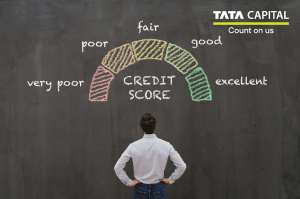
चुकलेले किंवा विलंबित पर्सनल लोन EMI पेमेंट तुमच्या क्रेडिट स्कोअरला गंभीरपणे नुकसान करू शकतात. हा तीन अंकी स्कोअर तुमची क्रेडिट पात्रता दर्शवितो. तुमचे लोन ॲप्लिकेशन मंजूर करायचे की नाही हे निर्धारित करण्यासाठी लेंडर अनेकदा हा आकडा वापरतात.

त्यामुळे, कमी क्रेडिट स्कोअर होम लोन, कार लोन किंवा क्रेडिट कार्ड यासारख्या भविष्यातील क्रेडिट प्रॉडक्ट्ससाठी मंजूर होण्याच्या शक्यतेवर परिणाम करू शकतो. जर त्यांना चुकलेल्या पेमेंटचा पॅटर्न दिसत असेल तर लेंडर जास्त व्याजदर देखील आकारू शकतात.

पर्सनल लोन आर्थिकदृष्ट्या तणावपूर्ण कधी होऊ शकते?

जेव्हा कर्जदार त्यांच्या फायनान्शियल परिस्थितीचा काळजीपूर्वक आढावा न घेता ते घेतो तेव्हा पर्सनल लोन मॅनेज करणे कठीण होऊ शकते. तुम्ही पर्सनल लोन कधी घेऊ नये याची काही सामान्य परिस्थिती येथे दिली आहे:

  • जर तुमचे इन्कम अनियमित किंवा अस्थिर असेल तर. अशा परिस्थितीत फिक्स्ड मासिक ईएमआय राखणे आव्हानात्मक असू शकते. उत्पन्नाच्या तात्पुरत्या घट्याने देखील तुमचे बजेट बिघडू शकते.
  • जर तुम्ही आधीच अनेक लोन चुकवत असाल. अन्य EMI जोडल्याने तुमचे मासिक बजेट वाढू शकते आणि मॅनेज करण्यासाठी रिपेमेंट कठीण करू शकते.
  • If you are borrowing for non-essential expenses. Doing so can create unnecessary strain.

Are there any advantages despite the disadvantages?

Despite the disadvantages, personal loans offer several benefits that make them useful in specific situations. One of the primary advantages is that these loans are unsecured. It means that you are not required to pledge your personal or professional assets to get access to finances.

Secondly, personal loans are processed and disbursed quickly. No lengthy documentation. No extensive verification. They allow you to get access to funds instantly during a financial emergency.

Thirdly, personal loans are multi-purpose loans. You can use it for a variety of purposes, such as tackling a medical emergency, funding a vacation, meeting wedding expenses, and/or renovating a home.

Also,read – What is personal loan refinancing? Meaning, benefits & process

Who should avoid taking a personal loan?

Personal loans may not be suitable for everyone. Borrowers with unstable or irregular income must rethink before applying. Fixed monthly EMIs can become difficult to manage during periods of reduced earnings.

Individuals who have already taken too many loans should also refrain from taking a new personal loan. Adding another EMI may increase financial pressure and make debt management harder.

Those with lower credit scores should also avoid applying for a personal loan. It may lead to a higher interest rate or rejection.

As a smart borrower, you must carefully analyse your overall financial situation and ask yourself, should I take a personal loan, before applying for it.

What are some smart alternatives to personal loans?

You can consider certain alternatives to personal loans that could be more suitable for your situation. One practical solution is creating an emergency fund by setting aside some money every month. You can rely on this fund to meet unexpected expenses without taking on new debt.

For short-term needs, a credit card may also be helpful. It allows you to pay for unexpected expenses and enjoy an interest-free period of up to 45 days. In some cases, availing of a secured loan, such as a loan against a fixed deposit, property, or gold, may help. It comes with a lower interest rate and flexible repayment options.

तसेच, वाचा – पर्सनल लोन डिफरमेंट म्हणजे काय? आणि ते कसे काम करते?

What are the key things to check before applying?

Before applying for a personal loan, it is important to review a few key details carefully. Looking at these factors in advance can help you understand the total cost of borrowing and avoid unpleasant surprises later.

  • Interest rate: The interest rate directly impacts your monthly EMIs and the overall borrowing cost. Choose a lender that’s offering the lowest personal loan interest rate.
  • Annual Percentage Rate (APR): The APR is the total yearly cost of borrowing money. It includes interest along with certain other charges levied by the lender.
  • Hidden charges: Additional charges, such as the processing fee, origination fee, late payment fee, etc., can increase your overall borrowing cost. Make sure you understand these charges thoroughly before applying.
  • Repayment capacity: Assess your monthly income, regular expenses, and existing loan obligations to gauge your repayment capability. Apply for a personal loan only if you feel confident about its repayment.

निष्कर्ष

Personal loans can help you get quick access to funds during a financial emergency. However, it has certain drawbacks that you should not overlook. Higher interest rates, fixed EMI obligations, and rigid repayment terms are a few common personal loan risks you should consider before applying for one.

As a thumb rule, avail of a personal loan only if you are in dire need of finances. Avoid applying for it for unnecessary expenses. Evaluating your repayment capability and current financial obligations can also help you make a smart borrowing decision.

लोन विषयी अधिक

सामान्य प्रश्न

पर्सनल लोनचे मुख्य नुकसान काय आहेत?

The main disadvantages of personal loans include higher interest rates than secured loans, stringent repayment terms, and fixed EMI obligations. If repayments are missed, it can also affect your credit score and make it harder to obtain loans in the future.  

पर्सनल लोन्स मध्ये सामान्यपणे जास्त व्याजदर का असतात?

Personal loans generally come with higher interest rates than secured loans, such as home loans and auto loans. It’s because these loans are unsecured. It means that there is no collateral for lenders to recover their money in the case of loan default. To cover this risk, lenders charge higher interest rates.

Can a personal loan negatively affect my credit score?

Yes, a personal loan can negatively impact your credit score if you miss or delay your EMI payments. Lenders report such instances to credit bureaus, which, in turn, lowers your credit score. A lower credit score can hurt your chances of getting more loans in the future.

What hidden charges should I check before taking a personal loan?

Before taking a personal loan, check for charges such as processing fees, late payment penalties, and prepayment or foreclosure charges. Some lenders may also levy penal interest on overdue amounts. Reviewing these charges in advance helps you understand the total borrowing cost and avoid any surprises later.

How can a personal loan lead to a debt trap?

A Personal loan can sometimes lead to a debt trap. This usually happens when you take a personal loan without proper repayment planning. When higher interest rates and excessive borrowing become difficult to manage, you end up taking a new loan to repay previous loans. This continued cycle leads to a debt trap.

Are there better alternatives to a personal loan?

Yes, you can explore certain alternatives to personal loans if you are not eligible for them or if you do not want to apply for them. Common personal loan alternatives include credit cards and secured loans. Credit cards offer interest-free loans for up to 45 days, whereas secured loans come with lower interest rates than unsecured personal loans.

Who should avoid applying for a personal loan?

People with unstable income, high existing debt, limited repayment capacity, or lower credit scores should avoid applying for a personal loan. Fixed EMIs may become difficult to manage in such situations. It is better to review your financial stability first and apply for a personal loan only if you are confident about its repayment.