टाटा कॅपिटल ॲपसह लोनकरिता अप्लाय करा आणि तुमचे अकाउंट मॅनेज करा.आत्ताच डाउनलोड करा

ब्लॉग

सहाय्यता

ऑफर्स क्विक पे

Tata Capital > Blog > Difference Between Loan Write-Off And Loan Waive-Off

पर्सनल यूज लोन

लोन राईट-ऑफ आणि लोन माफी मधील फरक

Difference Between Loan Write-Off And Loan Waive-Off

When dealing with debt management, individuals often face complex concepts and confusing terms, such as loan write off vs waive off. When an individual is unable to repay their loan, lenders label it a “Non-Performing Asset” or bad loan. Lenders can deal with NPAs in one of two ways, they can either be written off or waived off. 

While these terms may sound similar, they often refer to two distinct processes with different outcomes for lenders and borrowers. Put briefly, with a loan write-off, the lender believes the loan cannot be recovered and removes it from their books, marking it as a loss. With loan waive-offs, the lender forgives the loan, and the borrower is not required to repay it. 

In this article, we take an in-depth look at the difference between write-offs and waive-offs in loans.

Loan Write-off Vs Loan Waive-Off

Now that you know what they are, it’s time to understand the difference between the loan write-offs and waive-offs.

Differentiating Parameterलोन राईट-ऑफLoan Waive-Off
रिपेमेंटA lender writes off a loan to equalise their balance sheets. It does not mean the loan is cancelled. The loan account is active, and lenders hope to make a recovery at a later date. Here, a lender gives up all claims to a loan amount. It is a complete cancellation of a loan. This means the borrower is free from their debt.
रिकव्हरीWhat happens when a loan is written off is that lenders may pursue recovery with the help of a legal entity. They can do this since the loan is not closed.Lenders cannot pursue the loan amount once it’s waived off. They cannot seek assistance from any legal entities or third-party recovery agents to collect outstanding funds. In this case, the loan is closed.
अप्रत्यक्षA lender has the legal right to retain any collateral pledged by the buyer. They are allowed to auction the collateral to recover the outstanding loan amount.A waived-off loan means that the lender must return any collateral pledged by the borrower at the time of taking the loan. 
पात्रताFinancial institutions write off loans to clean up their balance sheets and optimise tax liabilities. Hence, all borrowers come under its purview. A loan waive-off facility is mainly provided to farmers to help them during natural calamities that are impossible to deal with.
अनिवार्यताIt’s mandatory for financial institutions to write off loans to keep their books and ledgers balanced and in check.Borrowers cannot submit requests to waive-off loans. This is a voluntary activity from the lender’s end with the government’s support.

Key Differences: Loan Write-Off vs Loan Waive-Off 

The key difference between loan write-off and waive off is that write-offs keep the borrower liable, whereas waive-offs release them from the debt.

वरील टेबलमध्ये दिलेल्या लोन राईट-ऑफ वर्सिज लोन वेव्ह-ऑफ तुलना व्यतिरिक्त, लोन माफी मधून लोन राईट-ऑफ वेगळे करण्याचा आणखी एक व्यावहारिक मार्ग म्हणजे उद्देश आणि परिणामाच्या लेन्सद्वारे प्रत्येकाचा विचार करणे. 

  • राईट-ऑफ हा मूलभूतपणे अकाउंटिंग उपचार आहे: लोन हे नॉन-परफॉर्मिंग ॲसेट म्हणून वर्गीकृत केले जाते आणि त्यास पुस्तकांमधून मान्यता दिली जाते, ज्यामुळे पोर्टफोलिओ स्पष्टता सुधारते, तर कर्जदाराचे दायित्व आणि लेंडरचे रिकव्हरी अधिकार अबाधित राहतात.
  • वेव्ह-ऑफ हा पॉलिसी किंवा मदत निर्णय आहे: लेंडर लोन कलेक्ट करण्याचा कायदेशीर अधिकार सोडतो, कर्जदाराचे दायित्व समाप्त होते आणि लोन अस्तित्वात नाही.

लोन राईट-ऑफ म्हणजे काय?

लोन राईट-ऑफ म्हणजे लोन देणारी संस्था "राईट ऑफ" करणारी कोणतीही रक्कम, जरी संपूर्ण लोन क्लिअर नसला तरीही. यामुळे कर्जदात्याला त्यांची पुस्तके संतुलित करण्यास मदत होते.

उदाहरणार्थ, श्री. मेहता यांनी इन्स्टिट्यूशन a कडून 10 वर्षांसाठी ₹3 लाखांचे लोन घेतले. वेळेवर ईएमआयच्या 8 महिन्यांनंतर, ते अचानक पेमेंट करणे थांबवतात. फॉलो-अप्स आणि कायदेशीर प्रयत्न असूनही, ते परतफेड करत नाही. इन्स्टिट्यूशन ए नंतर लोनचे मूल्य कमी करते, आशा करते की तो त्याचा किमान भाग परतफेड करेल. या घटत्या मूल्याला 'लोन राईट ऑफ' म्हणतात.  

लेंडरसाठी लोन राईट-ऑफचे लाभ

लोन राईट-ऑफ लेंडरला खालील मार्गांनी लाभ देते-

  • लेंडर ते काढून टाकल्यानंतर एकूण लोन मूल्यावर त्यांचे टॅक्स दायित्व कमी करू शकतात.
  • लेंडर नॉन-परफॉर्मिंग ॲसेट्स काढून टाकू शकतात आणि स्वच्छ बॅलन्स शीट राखू शकतात.
  • In many cases, borrowers do not use their entire credit limit. They only borrow the required amount and pay interest on it. After the loan write-off, lenders can use the funds initially blocked for the borrower for their own business operations and expansion.
  • A loan write-off does not mean borrowers don’t need to repay the loan. Lenders can continue pursuing the loan repayment, which, if received after the write-off, can be considered a profit in the year of repayment.

तसेच, वाचा - पर्सनल लोन म्हणजे काय?

लोन राईट-ऑफची कारणे

लोन राईट-ऑफची अनेक कारणे आहेत, जसे की:

  • जर एखादी व्यक्ती वेळेवर रिपेमेंट करत नसेल
  • If a borrower declares bankruptcy
  • If a borrower passes away, and their estate cannot cover the debt
  • If the value of the collateral provided drops below the loan amount

Impact of a Loan Write-Off (on Lender and Borrower CIBIL)

A loan write-off can have significant impacts. Being written off means the loan can no longer be an asset, and the lending institution can reduce its NPAs on its records. A loan write-off can also lessen the lending institution’s tax liability.

लोन माफी म्हणजे काय?

To understand the difference between a write-off vs. a waive-off, it is first essential to understand what a waive-off is. A loan waive-off is when a lender forgives a part or the entirety of the borrower’s loan. For example, Mr Chaudhary borrowed a personal loan of Rs 5 lakhs for 2 years. However, he ultimately had to declare bankruptcy. His inability to repay the loan leads the lending institution to waive off his loan, meaning his debt is forgiven. However, this only happens in exceptional circumstances. 

Benefits of a Loan Waive-Off for Borrowers

लोन माफीचा लेंडर आणि कर्जदारावर लक्षणीय परिणाम होऊ शकतो. लेंडरला मोठ्या प्रमाणात नुकसानाचा सामना करावा लागत असताना, ते कर्जदाराला अनेक प्रकारे फायदा करते. यामध्ये समाविष्ट असेल:

  • Financial respite: When a loan is waived, the borrower is no longer required to pay off their debt. This can offer them enormous financial respite. It allows the borrower to focus their spending on necessities (whether that is housing, medical expenses, or other reasons). 
  • Impact on credit score: When a lending institution waives off a borrower’s loan, it can positively impact their credit score, improving their future creditworthiness. Farmers and other individuals in the agricultural sector are often offered this provision. 

लोन माफीची कारणे

There are many reasons why a lending institution may offer a loan waive-off, including: 

  • आर्थिक अडचणी
  • नैसर्गिक आपत्ती
  • Loss of or decrease in the value of collateral
  • लोन अटींमध्ये बदल
  • सरकारी धोरणे

Impact of a Loan Waive-Off (on Borrower’s Credit & Liability)

The impacts of a loan waive-off include:

  • अकाउंट बंद आहे
  • कर्जदार लोन रक्कम परत मिळवण्यासाठी कायदेशीर उपाय करू शकत नाहीत
  • It minimises tax liabilities 
  • The borrower’s credit score improves 

How Loan Write-Off and Waive-Off Affect Your Credit Score

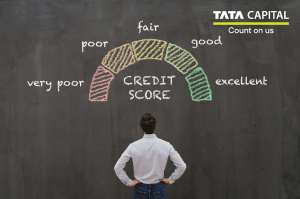
A credit score is a numerical indicator of one’s creditworthiness and financial discipline. It reflects your credit usage and how reliably you can repay the debt. Both loan write-off and loan waive-off can affect your credit score.

  • Loan write-off credit score impact: A loan write-off harms your credit score because it signals that the lender considers your loan doubtful for recovery. It can be harder for you to obtain loans in the future and if approved, it may have higher interest rates. 
  • Loan waive-off credit score impact: A loan waive-off, meaning relinquishing of the legal right to collect a loan, may affect credit negatively when it’s caused by financial difficulties. It may affect it positively if the borrower later rebuilds credit through consistent timely repayments on other active accounts

टाटा कॅपिटल येथे पर्सनल लोन मिळवा

तुम्ही पर्सनल लोन शोधत आहात का? टाटा कॅपिटलचा विचार करा - आम्ही अनेक आकर्षक वैशिष्ट्ये आणि लाभ ऑफर करतो. 

यामध्ये समाविष्ट असेल:

  • मल्टीपर्पज लोन्स: तुम्ही कोणत्याही प्रसंगी किंवा कारणास्तव टाटा कॅपिटलच्या पर्सनल लोन ऑफरिंगसाठी अप्लाय करू शकता. यामध्ये प्रवास, लग्नाचा खर्च, उच्च शिक्षण, घराचे नूतनीकरण आणि बरेच काही समाविष्ट आहे!
  • कोणतीही सिक्युरिटी किंवा तारणाची आवश्यकता नाही: टाटा कॅपिटलचे पर्सनल लोन अनसिक्युअर्ड आहे, म्हणजे कर्जदारांना मालमत्ता गहाण ठेवण्याची किंवा सिक्युरिटीज प्रदान करण्याची आवश्यकता नाही.
  • हायब्रिड लोन टर्म पर्याय: पर्सनल लोन हायब्रिड लोन टर्म पर्यायासह, यूजर पूर्वनिर्धारित मर्यादेपर्यंत पैसे विद्ड्रॉ करू शकतात आणि व्याज केवळ वापरलेल्या रकमेवर आकारले जाते. 
  • शून्य प्री-पेमेंट शुल्क: तुम्ही कोणतेही दंड किंवा अतिरिक्त शुल्क न घेता 12 महिन्यांनंतर कोणत्याही वेळी लोनच्या 25% पर्यंत आंशिक प्री-पेमेंट करू शकता.
  • लवचिक कालावधी: आम्ही 6 वर्षांपर्यंत रिपेमेंट कालावधी ऑफर करतो, ज्यामुळे कर्जदारांना त्यांच्या EMI पर्यायांवर नियंत्रण ठेवता येते.

निष्कर्ष

लोन राईट-ऑफ वर्सिज वेव्ह-ऑफ विविध परिस्थितीत होतात. पूर्वीची प्रॅक्टिस अनिवार्य असताना, नंतरची सरकार आणि लेंडरच्या विवेकबुद्धीनुसार आहे. कोणत्याही परिस्थिती टाळण्यासाठी, पर्सनल लोन कॅल्क्युलेटरच्या मदतीने तुम्ही रिपेमेंट करू शकणारी रक्कम कॅल्क्युलेट करणे सर्वोत्तम आहे.

Are you looking for a personal loan? If yes, then partner with Tata Capital. We extend personal loans at affordable interest rates, extended repayment tenures, speedy processing and minimal documentation.

You can apply for a personal loan online and track its status on our web portal or on our personal loan app. To know more, visit our website or give us a call today!

लोन विषयी अधिक

सामान्य प्रश्न

जर माझे लोन बंद झाले तर काय होईल?

लोन राईट-ऑफ म्हणजे लेंडर लोनला नुकसान मानतो आणि लोन रिकव्हर करण्याची शक्यता नसल्याचे स्वीकारतो. ते त्याला समान करण्यासाठी बॅलन्स शीटमधून ते लिहून टाकतात. तथापि, याचा अर्थ असा नाही की लोन रद्द केले गेले आहे आणि तुम्ही अद्याप ते परत करण्यास बांधील आहात.

लोन राईट-ऑफ माझ्या क्रेडिट स्कोअरवर कसा परिणाम करते?

लोन राईट-ऑफ तुमच्या क्रेडिट स्कोअरवर नकारात्मक परिणाम करते, जे नॉन-रिपेमेंट दर्शविते, जे भविष्यातील लोन मंजुरीवर परिणाम करू शकते.

कर्जमाफीची सामान्य कारणे काय आहेत?

लोन माफी सामान्यपणे आर्थिक अडचणी, नैसर्गिक आपत्ती किंवा कर्जदाराच्या आर्थिक बोजा कमी करण्याच्या उद्देशाने सरकारी धोरणांमुळे दिली जाते.

लोन राईट-ऑफ किंवा वेव्हरचे टॅक्स परिणाम काय आहेत?

लोन माफी आणि राईट-ऑफ लेंडरची टॅक्स दायित्वे कमी करतात.

एकाच वेळी लोन काढून माफ केले जाऊ शकते का?

नाही, लोन एकाच वेळी लिहिले जाऊ शकत नाही आणि माफ केले जाऊ शकत नाही. लोन राईट-ऑफ लोन देणाऱ्या संस्थेच्या बॅलन्स शीटमधून लोन काढून टाकते. दुसऱ्या बाजूला, लोन माफी म्हणजे जेव्हा लेंडर अंशत: किंवा पूर्णपणे लोन माफ करण्याचा निर्णय घेतो, म्हणजे कर्जदाराचे लोन क्लिअर केले जाते.

कर्जदार कर्जमाफीची विनंती करू शकतो का?

कर्जदारांकडे कर्जमाफीची विनंती करण्याचा पर्याय आहे. तथापि, मंजुरी सामान्यपणे केवळ विशिष्ट परिस्थितीतच मंजूर केली जाते. यामध्ये विशिष्ट क्षेत्रांना दिलासा देण्यासाठी आर्थिक संघर्ष, नैसर्गिक आपत्ती किंवा सरकारी कार्यक्रम समाविष्ट आहेत.

लोन राईट-ऑफ म्हणजे काय?

लोन राईट-ऑफ अर्थ अकाउंटिंग कृती आहे, जेव्हा लेंडर त्याच्या रिकव्हरी संशयास्पद आहे हे जाणून घेतल्यानंतर त्याच्या पुस्तकांमधून लोन काढून टाकतो. तथापि, कर्जदार अद्याप त्याची परतफेड करण्यास कायदेशीररित्या जबाबदार आहे.

लोन राईट-ऑफ आणि लोन वेव्ह-ऑफ दरम्यान मुख्य फरक काय आहे?

लोन राईट-ऑफ अर्थ is when the lender removes the loan from its books but still retains the right to collect it from the borrower. A loan waive-off on the other hand fully cancels repayment, stops recovery, returns collateral, and usually applies under specific government-supported schemes.

How does a loan write-off affect my credit score in India?

A loan write-off negatively impacts your credit score because it signals that the lender considers your loan doubtful for recovery. It can be harder for you to obtain loans in the future and if approved, it may have higher interest rates.

What is the loan waive-off meaning?

Loan waive-off meaning is when the lender gives up the legal right to recover a loan. From the point of view of a borrower, they no longer need to pay the loan back.