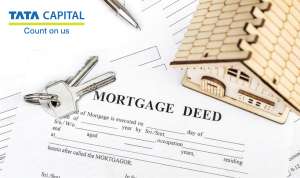
An equitable mortgage is a commonly used method of creating security for loans by depositing
original property title deeds with the lender. It is widely used in home loans and loans against
property because the process is comparatively simple, quicker, and less expensive than some
other mortgage types. The borrower continues to retain ownership and use of the property
while the lender holds the documents until repayment is completed. Understanding its legal
framework, advantages, risks, and differences from registered mortgages can help borrowers
make better financial decisions. Proper review of loan terms and property documents is
important before entering any mortgage arrangement.
An equitable mortgage is a type of mortgage where a borrower offers property title deeds to a lender as security for a loan without transferring ownership of the property.
When people apply for large loans, especially against property, lenders usually ask for some form of security before approving the amount. In many cases, this security is linked to the borrower’s property documents. This arrangement is widely used in home loans and loans against property because it simplifies the borrowing process while still protecting the lender’s interest.
Yet many borrowers are not fully aware of how this system works or of the rights and responsibilities that come with it. In this guide, we will explain the meaning of an equitable mortgage, how the process works, its benefits, limitations, and how it differs from other types of mortgages.
What is an equitable mortgage?
An equitable mortgage is a type of mortgage where the borrower creates security for a loan by depositing the original property title deeds with the lender. In simple terms, the property owner hands over important ownership documents to the bank or financial institution as proof that the property is being kept as collateral for the loan.
Unlike some other types of mortgage, the ownership of the property does not get transferred to the lender. The borrower can continue using the property while repaying the loan. For example, if someone takes a home loan and submits the original property papers to the bank without executing a detailed registered mortgage deed, it is generally treated as an equitable mortgage.
What are the key features of an equitable mortgage?
An equitable mortgage has certain features that make it different from other forms of property mortgages. It is commonly used in home loans and loans against property because the process is comparatively simpler and less expensive. Here are some important features to know:
Deposit of title deeds: The borrower creates the mortgage by submitting original property documents to the lender.
No transfer of ownership: Even after the mortgage is created, the borrower remains the legal owner of the property.
Limited registration formalities: In many cases, a separate registered mortgage deed may not be required, depending on local laws and lender policies.
Faster processing: Since the documentation process is usually simpler, equitable mortgages can often be created more quickly.
Lower costs: The absence of extensive registration formalities may reduce stamp duty and registration-related expenses in certain cases.
Common in selected cities: Under Section 58(f) of the Transfer of Property Act, equitable mortgages are traditionally recognized in certain notified towns and cities, although banking practices and state-specific rules may now vary.
Why are equitable mortgages important in real estate?
Equitable mortgages play an important role in the real estate and lending sector because they make secured borrowing easier for both lenders and borrowers. Since the process mainly involves depositing property title deeds, loans can often be processed faster compared to some other mortgage arrangements. This is one reason why equitable mortgages are commonly used in home loans and loans against property.
This arrangement benefits both borrowers and lenders in different ways. For borrowers, it can help reduce paperwork and borrowing costs. For lenders, it assures the repayment of the loan as the original property documents remain with them until the loan is fully repaid.
How to create an equitable mortgage?
Creating an equitable mortgage requires submitting your property’s title deed to a lender for a loan. It does not require the transfer of property ownership, but only the deposit of the deed.
Here is the step-by-step guide to do so:
1. पात्रता तपासा
First, check your eligibility for a loan that can be secured through an equitable mortgage. The lender’s eligibility criteria may depend on the borrower’s income, property type, credit score, and other factors.
2. Discuss terms with the lender
If you’re eligible, go ahead and discuss loan terms with the lender before depositing your title deed. You both must agree on a loan amount, interest rate, and repayment tenure, among other parameters.
3. Deposit the title deed
Now, you can deposit the original title deed with the lender to create an equitable mortgage. This deed will remain with the lender until you have fully repaid the loan amount.
4. Sign a loan agreement
Sign the loan agreement to receive the disbursed amount. Check the applicable interest rate, loan tenure, and hidden charges before signing.
How does an equitable mortgage work?
An equitable mortgage works through a simple arrangement between the borrower and the lender. When applying for a loan, the borrower submits the original property title deeds to the bank or financial institution as security for the borrowed amount. By depositing these documents, the borrower creates a charge on the property in favor of the lender.
After verifying the property papers and approving the loan, the lender keeps the original documents until the loan is fully repaid. During this period, the borrower can continue to use or live in the property, but the property remains subject to the loan obligation. Once the borrower clears all dues and completes repayment, the lender returns the title deeds and releases the mortgage. If the borrower fails to repay, the lender may take legal steps to recover the outstanding amount by auctioning the mortgaged property.
What are the pros and cons of equitable mortgages?
Equitable mortgage loans offer both advantages and limitations.
Advantages of an equitable mortgage
Lower registration and documentation costs in many cases.
Faster loan processing compared to some other mortgage types.
Borrower continues to retain ownership and use of the property.
Less paperwork and simpler formalities.
Commonly used for home loans and loans against property.
Limitations of an equitable mortgage
कायदेशीर अंमलबजावणीमध्ये कधीकधी विवाद दरम्यान दीर्घ प्रक्रिया समाविष्ट असू शकतात.
जर कर्जदार लोन रिपेमेंट करण्यात अयशस्वी झाला तर फोरक्लोजरची रिस्क.
रिपेमेंट पर्यंत मूळ प्रॉपर्टी डॉक्युमेंट्स लेंडरकडे राहतात.
उपलब्धता आणि नियम लोकेशन आणि लेंडरनुसार भिन्न असू शकतात.
मॉर्टगेज ॲक्टिव्ह असताना प्रॉपर्टी ट्रान्झॅक्शन कठीण होऊ शकतात.
इक्विटेबल आणि रजिस्टर्ड मॉर्टगेज मधील फरक काय आहे?
The table below depicts the difference between an equitable and a registered mortgage:
आधार
इक्विटेबल मॉर्टगेज
Registered mortgage
Creation
Created by depositing the original title deed with the lender.
Created through a formally registered mortgage deed.
Registration requirement
Registration may not always be mandatory, depending on laws and lender policies.
Registration with the sub-registrar is compulsory.
डॉक्युमेंटेशन
Comparatively less paperwork.
Involves detailed legal documentation.
Cost involved
Usually lower due to limited registration charges.
Higher because of stamp duty and registration fees.
Processing speed
Usually faster.
May take more time due to registration formalities.
मालकी ट्रान्सफर
No ownership transfer takes place.
Creates a stronger legal claim over the property through formal registration, often through ownership transfer.
Legal standing
Valid but may involve additional legal procedures during enforcement.
Considered legally stronger due to formal registration.
लवचिकता
The process is generally considered more flexible due to simpler documentation and fewer formalities.
Loan terms are generally more standardized and less flexible.
लागू
Used for urgent financing needs.
For traditional and regulated mortgage transactions.
What are the key elements of an equitable mortgage?
Here are some key elements that distinguish an equitable mortgage from others:
Intent to create security: The borrower must clearly intend to create a mortgage against the property for the loan amount.
Property ownership: The borrower should be the legal owner of the property offered as security.
Deposit of title deeds: Original property documents are submitted to the lender as proof and security for the loan.
Valid property documents: The title deeds should be genuine, complete, and legally acceptable to the lender.
Loan agreement linkage: The mortgage is connected to the repayment obligation agreed between the borrower and lender.
Notified city requirement: Traditionally, equitable mortgages are recognized in certain notified towns and cities under applicable property laws.
Which legal framework governs equitable mortgages in India?
भारतात, इक्विटेबल मॉर्टगेजची संकल्पना प्रामुख्याने प्रॉपर्टी ट्रान्सफर ॲक्ट, 1882 च्या सेक्शन 58 (एफ) द्वारे नियंत्रित केली जाते. ही तरतूद लोनसाठी सिक्युरिटी म्हणून प्रॉपर्टी ऑफर करण्याच्या उद्देशाने टायटल डीड्स डिपॉझिट करून मॉर्टगेज कसे तयार केले जाऊ शकते हे स्पष्ट करते. जेव्हा आवश्यक अटी पूर्ण केल्या जातात तेव्हा कायदा अशा गहाणंची वैधता देखील ओळखतो.
पारंपारिकपणे, विशिष्ट अधिसूचित शहरे आणि शहरांमध्ये इक्विटेबल मॉर्टगेज लागू झाले आहेत, जरी बँकिंग पद्धती आणि राज्य-विशिष्ट नियम भिन्न असू शकतात. मॉर्टगेज मूळ प्रॉपर्टी डॉक्युमेंट्ससह लिंक असल्याने, लेंडर त्याचा वापर लोनच्या रकमेसाठी कायदेशीररित्या मान्यताप्राप्त सिक्युरिटीचा प्रकार म्हणून करतात.
लोन डिफॉल्टच्या बाबतीत, लेंडर रिकव्हरी कार्यवाहीसाठी SARFAESI ॲक्ट, 2002 अंतर्गत तरतुदींवर देखील अवलंबून असू शकतात.
मॉर्टगेज मधील जंगम आणि स्थावर प्रॉपर्टीवरील हक्क
In mortgage arrangements, both the borrower and the lender have certain rights linked to the property offered as security. These rights can differ depending on whether the asset is movable or immovable and on the type of mortgage involved.
In an equitable mortgage, the property is usually immovable property such as land, a flat, or a house. The borrower continues to use and possess the property even after creating the mortgage. However, the lender gets a legal interest in the property until the loan is fully repaid. The borrower also has the right to recover the original title deeds once all dues are cleared.
In the case of movable assets, rights and enforcement methods may differ because the security involves movable property rather than land or buildings.
निष्कर्ष
An equitable mortgage is widely used in property-backed lending because it provides a simpler, more practical way to secure a loan. By depositing title deeds with the lender, borrowers can access financing while retaining ownership and use of the property. At the same time, lenders receive legal protection against the loan amount.
Understanding how equitable mortgages work, their legal framework, costs, risks, and differences from registered mortgages can help borrowers make more informed financial decisions. Before creating any mortgage, it is always advisable to carefully review the loan terms, property documents, and repayment obligations.
An equitable mortgage is a type of mortgage where a borrower gives the original property title deeds to a lender as security for a loan. The borrower continues to own and use the property while the lender keeps the documents until the loan is repaid.
भारतात इक्विटेबल मॉर्टगेज कायदेशीररित्या वैध आहे का?
Yes, equitable mortgages are legally recognized in India under Section 58(f) of the Transfer of Property Act, 1882. Banks and financial institutions commonly use this mortgage type for home loans and loans against property, subject to applicable laws and lending conditions.
इक्विटेबल आणि रजिस्टर्ड मॉर्टगेज मधील फरक काय आहे?
An equitable mortgage is usually created by depositing title deeds with the lender, while a registered mortgage involves a formally registered mortgage deed. Equitable mortgages generally involve lower costs and simpler procedures, whereas registered mortgages follow more detailed legal and registration formalities.
इक्विटेबल मॉर्टगेजला रजिस्टर्ड मॉर्टगेज मध्ये रूपांतरित केले जाऊ शकते का?
होय, काही परिस्थितीत, जर लेंडरला किंवा कर्जदाराला मजबूत कायदेशीर डॉक्युमेंटेशन हवे असेल किंवा अतिरिक्त कायदेशीर आवश्यकता लागू झाल्यास इक्विटेबल मॉर्टगेजला नंतर रजिस्टर्ड मॉर्टगेजमध्ये रूपांतरित केले जाऊ शकते. राज्य नियम आणि लेंडर धोरणांनुसार प्रोसेस आणि शुल्क भिन्न असू शकतात.
इक्विटेबल मॉर्टगेजसाठी कोणत्या प्रॉपर्टी पात्र आहेत?
निवासी घर, फ्लॅट्स, अपार्टमेंट्स आणि जमीन यासारख्या स्थावर प्रॉपर्टीचा वापर सामान्यपणे इक्विटेबल मॉर्टगेज साठी केला जातो. कर्जदाराकडे लोनसाठी सिक्युरिटी म्हणून ऑफर केल्या जात असलेल्या प्रॉपर्टीसाठी वैध मालकी हक्क आणि योग्य टायटल डॉक्युमेंट्स असणे आवश्यक आहे.
इक्विटेबल मॉर्टगेजसाठी स्टँप ड्युटी आवश्यक आहे का?
Stamp duty rules for equitable mortgages can vary across states. In many cases, the charges are lower compared to registered mortgages because the process mainly involves depositing title deeds instead of executing a fully registered mortgage deed.
कर्जदार इक्विटेबल मॉर्टगेज अंतर्गत प्रॉपर्टी विकू शकतो का?
A borrower may face restrictions while trying to sell a property under an active equitable mortgage because the original title deeds remain with the lender. Usually, the outstanding loan needs to be cleared and the mortgage released before the sale process can be completed.





 23 जून 2026
 9 मिनिटे वाचा


 मागील पोस्ट