లోన్ల కోసం అప్లై చేసేందుకు మరియు మీ అకౌంటును నిర్వహించేందుకు టాటా క్యాపిటల్ యాప్ పొందండి.డౌన్‌లోడ్ చేయండి

బ్లాగులు

మద్దతు

ఆఫర్లు త్వరిత చెల్లింపు

టాటా క్యాపిటల్ > బ్లాగ్ > జెనరిక్ > ఫిక్స్‌డ్ మరియు ఫ్లోటింగ్ ఇంట్రెస్ట్ రేట్ల మధ్య తేడా ఏమిటి, మరియు మీరు ఏది ఎంచుకోవాలి?

జెనరిక్

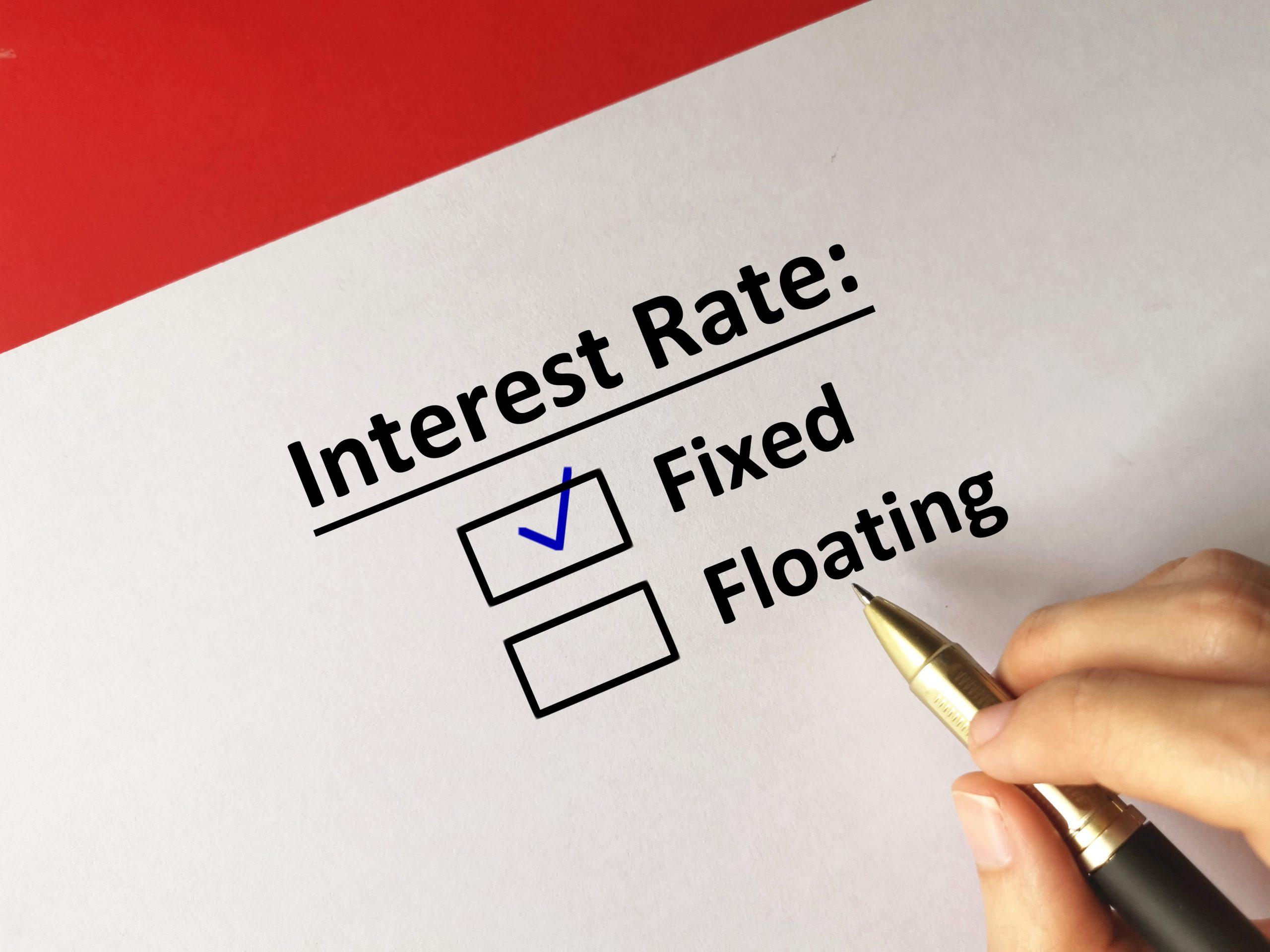
ఫిక్స్‌డ్ మరియు ఫ్లోటింగ్ ఇంట్రెస్ట్ రేట్ల మధ్య తేడా ఏమిటి, మరియు మీరు ఏది ఎంచుకోవాలి?

What is the difference between fixed and floating interest rates, and which one should you choose?

ఫిక్స్‌డ్ మరియు ఫ్లోటింగ్ వడ్డీ రేట్లు అనేవి లోన్ల పై అందించబడే రెండు సాధారణ ఎంపికలు. స్థిర ఇంట్రెస్ట్ రేటు రుణ కాలపరిమితి మొత్తానికి ఒకేవిధంగా ఉంటుంది. ఒక ఫ్లోటింగ్ రేటు బెంచ్‌మార్క్ రేటుకు అనుసంధానించబడింది మరియు లోన్ అవధి సమయంలో పెరగవచ్చు లేదా తగ్గవచ్చు. ప్రతి ఎంపికకు దాని స్వంత ప్రయోజనాలు మరియు పరిమితులు ఉన్నాయి, మరియు సరైన ఎంపిక రుణగ్రహీత యొక్క ఆదాయ స్థిరత్వం, లోన్ అవధి మరియు రిస్క్ ప్రాధాన్యతపై ఆధారపడి ఉంటుంది.

టెక్స్ట్:

లోన్ తీసుకునేటప్పుడు, మీరు ఎంచుకున్న ఇంట్రెస్ట్ రేటు రకం మీ రీపేమెంట్ ప్రయాణానికి గణనీయమైన వ్యత్యాసాన్ని చేయవచ్చు. చాలామంది రుణదాతలు రెండు సాధారణ ఇంట్రెస్ట్ రేటు ఎంపికలను అందిస్తారు: ఫిక్స్‌డ్ మరియు ఫ్లోటింగ్. ప్రతి ఒక్కటి భిన్నంగా పనిచేస్తుంది మరియు మీరు ప్రతి నెలా ఎంత చెల్లించాలి, అలాగే లోన్ అవధిలో చెల్లించిన మొత్తం వడ్డీని ప్రభావితం చేయవచ్చు.

అందువల్ల, సరైన రేటు నిర్మాణాన్ని ఎంచుకోవడం అనేది ఒక ముఖ్యమైన నిర్ణయం. ఒక ఫిక్స్‌డ్ రేటు ఇఎంఐలలో స్థిరత్వాన్ని అందిస్తుంది, అయితే ఫ్లోటింగ్ రేటు ప్రారంభంలో తక్కువ రేటుతో ప్రారంభించడానికి మిమ్మల్ని అనుమతిస్తుంది. మీకు సరైన ఎంపిక ఏది అని నిర్ణయించడంలో మీకు సహాయపడటానికి, ఫిక్స్‌డ్ మరియు ఫ్లోటింగ్ ఇంట్రెస్ట్ రేట్లు మధ్య వ్యత్యాసాన్ని ఈ బ్లాగ్ అన్వేషిస్తుంది.

ఫిక్స్‌డ్ వడ్డీ రేటు అంటే ఏమిటి?

స్థిర ఇంట్రెస్ట్ రేటు రుణ కాలపరిమితి మొత్తానికి ఒకేవిధంగా ఉంటుంది. సరళంగా చెప్పాలంటే, లోన్ పూర్తిగా తిరిగి చెల్లించే వరకు రుణంపై వసూలు చేయబడే ఇంట్రెస్ట్ ప్రారంభం నుండి ఒకే విధంగా ఉంటుంది. అంటే వర్తించే ఇంట్రెస్ట్ రేటు మార్కెట్ పరిస్థితులతో హెచ్చుతగ్గులకు లోనవు కాబట్టి రుణగ్రహీత ఒక ఫిక్స్‌డ్ EMI (ఈక్వేటెడ్ మంత్లీ ఇన్‌స్టాల్‌మెంట్) చెల్లిస్తారు.

ఫిక్స్‌డ్ ఇంట్రెస్ట్ రేటుతో, మీ లోన్ రీపేమెంట్ కోసం మీరు ప్రతి నెలా ఎంత చెల్లించవలసి ఉంటుందో మీకు ఖచ్చితంగా తెలుసు. ఇది మనశ్శాంతిని అందిస్తుంది మరియు మీ EMI చెల్లింపులను మెరుగ్గా ప్లాన్ చేసుకోవడానికి మీకు సహాయపడుతుంది.

ఫ్లోటింగ్ ఇంట్రెస్ట్ రేటు అంటే ఏమిటి?

ఫ్లోటింగ్ ఇంట్రెస్ట్ రేటు అనేది లోన్ అవధి సమయంలో హెచ్చుతగ్గులు లేదా మార్చగల ఒక రకం లోన్ రేటు. ఇది సాధారణంగా బెంచ్‌మార్క్ రేటు లేదా index రేటు అని పిలువబడే రిఫరెన్స్ రేటుకు అనుసంధానించబడుతుంది. ఈ రిఫరెన్స్ రేటు పెరిగినప్పుడు లేదా తగ్గినప్పుడు, లోన్ ఇంట్రెస్ట్ రేటు కూడా తదనుగుణంగా మారుతుంది.

లోన్ ఎంచుకోవడానికి ముందు ఫ్లోటింగ్ రేటు అర్థం అర్థం చేసుకోవడం ముఖ్యం. మార్కెట్ రేట్లు పెరిగితే, రుణగ్రహీత EMI లేదా లోన్ అవధిలో పెరుగుదలను చూడవచ్చు. మరోవైపు, ఇంట్రెస్ట్ రేట్లు తగ్గితే, మొత్తం రుణ ఖర్చు తగ్గవచ్చు.

ఫిక్స్‌డ్ వర్సెస్ ఫ్లోటింగ్ ఇంట్రెస్ట్ రేటు: సైడ్-బై-సైడ్ పోలిక

ఫిక్స్‌డ్ మరియు ఫ్లోటింగ్ వడ్డీ రేటు ఎంపికల మధ్య వ్యత్యాసాన్ని అర్థం చేసుకోవడం అనేది మీ ఆర్థిక ప్రణాళికలకు సరిపోయే నిర్మాణాన్ని ఎంచుకోవడానికి మీకు సహాయపడుతుంది. క్రింద ఉన్న పట్టిక ఫ్లోటింగ్ ఇంట్రెస్ట్ రేటు వర్సెస్ ఫిక్స్‌డ్ ఇంట్రెస్ట్ రేటు యొక్క సైడ్-బై-కంపెరిషన్‌ను సూచిస్తుంది:

పారామీటర్ఫిక్స్డ్ వడ్డీ రేటుఫ్లోటింగ్ వడ్డీ రేటు
EMI స్థిరత్వంలోన్ అవధి అంతటా EMI మారదు.లోన్ అవధి సమయంలో EMI మారవచ్చు.
రిస్క్ స్థాయిEMIలు అంచనా వేయదగినవి కాబట్టి తక్కువ రిస్క్.ఊహించలేని కారణంగా అధిక రిస్క్.
మార్కెట్ ప్రభావంమార్కెట్ పరిస్థితులు ఇంట్రెస్ట్ రేటును ప్రభావితం చేయవు.ఇంట్రెస్ట్ రేట్లు మార్కెట్ ధరలకు అనుసంధానమై ఉంటాయి.
దీర్ఘకాలిక ఖర్చుమొత్తం ఖర్చు ప్రారంభంలో తెలుస్తుంది.మొత్తం ఖర్చు దీర్ఘకాలంలో పెరగవచ్చు లేదా తగ్గవచ్చు.

ఫ్లోటింగ్ ఇంట్రెస్ట్ రేట్ల ప్రయోజనాలు మరియు లోపాలు ఏమిటి?

ఫ్లోటింగ్ ఇంట్రెస్ట్ రేటుతో లోన్‌ను ఎంచుకోవడం వలన రుణగ్రహీతలకు ప్రయోజనాలు మరియు పరిమితులు లభిస్తాయి. ఎందుకంటే ఇంట్రెస్ట్ రేటు రెండు దిశల్లో మారవచ్చు. అది తగ్గితే, ఇది మొత్తం అప్పు తీసుకునే ఖర్చును తగ్గించడానికి సహాయపడుతుంది, మరియు వైస్ వర్సా. ఫ్లోటింగ్ ఇంట్రెస్ట్ రేట్ల ప్రయోజనాలు మరియు అప్రయోజనాలను అర్థం చేసుకోవడం అనేది ఈ ఎంపిక మీ ఆర్థిక ప్రణాళికలకు సరిపోతుందో లేదో నిర్ణయించడానికి మీకు సహాయపడుతుంది.

ఫ్లోటింగ్ ఇంట్రెస్ట్ రేటును ఎంచుకోవడం వలన కలిగే ప్రయోజనాలు

  • ఫ్లోటింగ్-రేటు లోన్లు తరచుగా ఫిక్స్‌డ్-రేటు లోన్ల కంటే తక్కువ ఇంట్రెస్ట్ రేటుతో ప్రారంభమవుతాయి. ఇది ప్రారంభ EMIని తగ్గించవచ్చు మరియు ప్రారంభ దశలలో లోన్‌ను మరింత సరసమైనదిగా చేయవచ్చు.
  • బెంచ్మార్క్ రేటు తగ్గినట్లయితే, రుణ ఇంట్రెస్ట్ రేటు కూడా తగ్గుతుంది. ఇది మీ మొత్తం అప్పు తీసుకునే ఖర్చును తగ్గించవచ్చు మరియు వడ్డీ చెల్లింపులపై ఆదా చేసుకోవడానికి మీకు సహాయపడుతుంది.
  • ఫ్లోటింగ్-రేటు లోన్లు అధిక ఫ్లెక్సిబిలిటీని అందిస్తాయి. మీరు రుణాన్ని రీఫైనాన్స్ చేయవలసిన అవసరం లేకుండా ఇంట్రెస్ట్ రేటు కదలికల నుండి ప్రయోజనం పొందవచ్చు.

ఫ్లోటింగ్ ఇంట్రెస్ట్ రేటు పరిమితులు

  • ఇంట్రెస్ట్ రేటు మారినప్పుడు, మీ నెలవారీ EMI లేదా లోన్ అవధి కూడా మారుతుంది. ఇది ఆర్థిక ప్రణాళికను మరింత కష్టతరం చేస్తుంది.
  • చాలా మంది రుణగ్రహీతలు అంచనా వేయదగిన EMIలను ఇష్టపడతారు. వడ్డీ రేట్లలో మార్పులు స్థిరమైన నెలవారీ ఖర్చులు మరియు ఇతర ఆర్థిక నిబద్ధతలను నిర్వహించే కుటుంబాలకు ఆందోళనను సృష్టించవచ్చు.
  • బెంచ్‌మార్క్ రేట్లు పెరిగితే, రుణదాత మీ లోన్ పై వర్తించే వడ్డీ రేటును కూడా పెంచవచ్చు. ఇది కాలక్రమేణా చెల్లించిన మొత్తం వడ్డీని పెంచవచ్చు.

ఫిక్స్‌డ్ ఇంట్రెస్ట్ రేట్ల ప్రయోజనాలు మరియు లోపాలు ఏమిటి?

ఫ్లోటింగ్ ఇంట్రెస్ట్ రేటు లాగానే, ఫిక్స్‌డ్ ఇంట్రెస్ట్ రేటుతో లోన్‌ను ఎంచుకోవడం వలన ప్రయోజనాలు మరియు ప్రతికూలతలు ఉండవచ్చు. ఉదాహరణకు, ఫిక్స్‌డ్ ఇంట్రెస్ట్ రేటు నిర్వచనం ప్రకారం, మార్కెట్ పరిస్థితులలో మార్పులతో సంబంధం లేకుండా, లోన్ పై వర్తించే ఇంట్రెస్ట్ రేటు రీపేమెంట్ అవధి అంతటా ఒకే విధంగా ఉంటుంది. అయితే, ప్రారంభ రేటు తరచుగా ఫ్లోటింగ్-రేటు లోన్ కంటే ఎక్కువగా ఉంటుంది.

ఫిక్స్‌డ్ ఇంట్రెస్ట్ రేటు యొక్క కీలక ప్రయోజనాలు

  • ఫిక్స్‌డ్-రేటు లోన్ యొక్క అతిపెద్ద ప్రయోజనాల్లో ఒకటి ఏంటంటే మొత్తం అవధి కోసం EMI ఒకే విధంగా ఉంటుంది. ఇది నెలవారీ రీపేమెంట్లపై స్పష్టతను అందిస్తుంది.
  • రీపేమెంట్ అవధి సమయంలో EMI మొత్తం మారనందున, మీరు మీ నెలవారీ బడ్జెట్‌ను మరింత ఆత్మవిశ్వాసంతో ప్లాన్ చేసుకోవచ్చు.
  • భవిష్యత్తులో బెంచ్‌మార్క్ రేటు పెరిగినప్పటికీ, మీ లోన్ పై వర్తించే వడ్డీ రేటు మారదు. ఇది అంచనా వేయదగిన ఆర్థిక నిబద్ధతలను ఇష్టపడే సంప్రదాయ రుణగ్రహీతలకు ఫిక్స్‌డ్-రేటు లోన్లను అనుకూలంగా చేస్తుంది.

ఫిక్స్‌డ్ వడ్డీ రేటు యొక్క సంభావ్య డౌన్‌సైడ్‌లు

  • ఫ్లోటింగ్-రేటు లోన్లతో పోలిస్తే ఫిక్స్‌డ్-రేటు లోన్లు తరచుగా కొద్దిగా అధిక ఇంట్రెస్ట్ రేట్లతో ప్రారంభమవుతాయి. ఇది ప్రారంభ దశలో కొద్దిగా అధిక EMIలకు దారితీయవచ్చు.
  • లోన్ అవధి సమయంలో మార్కెట్ రేట్లు తగ్గితే, మీరు తగ్గింపు నుండి ప్రయోజనం పొందరు. మీ లోన్ పై వర్తించే ఇంట్రెస్ట్ రేటు ఒకే విధంగా ఉంటుంది.
  • కొంతమంది రుణదాతలు లాక్-ఇన్ వ్యవధులు లేదా మరొక వడ్డీ నిర్మాణానికి మారడంపై ఆంక్షలు కలిగి ఉండవచ్చు. ఇది రుణగ్రహీతలకు ఫ్లెక్సిబిలిటీని తగ్గించవచ్చు.

ఫిక్స్‌డ్ లేదా ఫ్లోటింగ్ రేటును ఎంచుకోవడానికి ముందు మీరు ఏ అంశాలను పరిగణించాలి?

ఫిక్స్‌డ్ రేటు వర్సెస్ ఫ్లోటింగ్ రేటు మధ్య ఎంచుకోవడం సరళంగా ఉండదు ఎందుకంటే అది అనిపించవచ్చు. సరైన ఎంపిక తరచుగా మీ ఆర్థిక పరిస్థితి, రీపేమెంట్ సామర్థ్యం మరియు రిస్క్ సామర్థ్యం పై ఆధారపడి ఉంటుంది. మీరు ఫిక్స్‌డ్ EMIలు మరియు అంచనా వేయదగిన రీపేమెంట్లను ఇష్టపడితే, మీరు ఫిక్స్‌డ్ ఇంట్రెస్ట్ రేటును ఎంచుకోవచ్చు. మీరు కొన్ని హెచ్చుతగ్గులకు లోనవుతున్నట్లయితే, మార్కెట్ పరిస్థితులు మారినప్పుడు తక్కువ రేట్ల నుండి ప్రయోజనం పొందడం అంటే, ఫ్లోటింగ్ రేటు ఒక మెరుగైన ఎంపిక.

ఫిక్స్‌డ్ వర్సెస్ ఫ్లోటింగ్ వడ్డీ రేటును సరిపోల్చడానికి మరియు సరైన ఎంపిక చేసుకోవడానికి మీకు సహాయపడే కొన్ని అంశాలు ఇక్కడ ఇవ్వబడ్డాయి:

మీ లోన్ పై మార్కెట్ పరిస్థితుల ప్రభావం

ఫ్లోటింగ్ ఇంట్రెస్ట్ రేటు వర్సెస్ ఫిక్స్‌డ్ ఇంట్రెస్ట్ రేటును సరిపోల్చేటప్పుడు మార్కెట్ పరిస్థితులు ముఖ్యమైన పాత్ర పోషిస్తాయి. ఫ్లోటింగ్ రేట్లు సాధారణంగా రెపో రేటు వంటి బెంచ్‌మార్క్ రేట్లకు అనుసంధానించబడతాయి. సెంట్రల్ బ్యాంక్ రెపో రేటును పెంచినప్పుడు లేదా తగ్గించినప్పుడు, ఫ్లోటింగ్ లోన్ రేట్లు కూడా మారవచ్చు. మరోవైపు, ఫిక్స్‌డ్ రేటు అటువంటి కదలికల ద్వారా ఎక్కువగా ప్రభావితం కాదు. Borrowers who expect interest rates to fall may prefer floating rates, while those who want protection from future rate hikes may choose fixed rates.

Loan tenure and repayment horizon

Your loan tenure or repayment horizon should also shape your decision. For shorter loan tenures, the difference between fixed and floating interest rate options may not be very significant. However, for long-term loans such as home loans, interest rate movements over time can have a greater impact on the total repayment amount. That is why borrowers with long repayment horizons usually consider floating rates to benefit from possible rate reductions during the loan period.

Income stability and risk appetite

You should also analyze the stability of your income and your comfort level with changing interest rates. If your monthly income is steady and you prefer predictable payments, a fixed interest rate may feel more comfortable. On the other hand, if you can handle occasional changes in EMI and are open to some uncertainty, a floating rate may also be a reasonable option.

Future financial plans and goals

Your future financial plans can also influence the choice between fixed and floating interest rates. For example, if you plan to prepay the loan early or refinance it later, a floating-rate structure may offer more flexibility. At the same time, if you expect major expenses such as education, travel, or home renovation, a fixed-rate loan may help you maintain predictable monthly payments.

అలాగే, చదవండి- మీ లోన్ల పై వడ్డీ రేటు మార్పుల ప్రభావాన్ని అర్థం చేసుకోవడం 

Can you switch between fixed and floating interest rates?

Many lenders allow you to switch between fixed and floating interest rates during the loan tenure. However, you may have to pay a nominal fee for the switch. The recent Reserve Bank of India (RBI) guidelines have made it mandatory for lenders to offer this option to borrowers.

Switching may make financial sense when market interest rates change significantly. For example, borrowers with a fixed rate may consider moving to a floating rate if market rates decline. Similarly, some borrowers may shift to a fixed rate when interest rates are expected to rise.

Which interest rate option is right for you?

The choice between fixed rate vs floating rate largely depends on your financial priorities and comfort with risk. Borrowers who prefer stable EMIs and predictable monthly payments often find a fixed rate more suitable. This option works well for individuals with tight monthly budgets or those who value repayment certainty.

A floating rate, on the other hand, may suit borrowers who are comfortable with some variation in their EMI or loan tenure. It can be a practical choice when interest rates are expected to decline over time. Borrowers with long repayment horizons can also consider floating rates to benefit from potential future rate reductions.

అలాగే, చదవండి- హోమ్ లోన్ ఇంట్రెస్ట్ రేట్లను తగ్గించడానికి ముఖ్యమైన చిట్కాలు

ముగింపు

Understanding what is fixed and floating interest rate is highly crucial for borrowers. While a fixed rate remains unchanged throughout the loan tenure, a floating rate may increase or decrease over time. The choice between the two depends on your financial preferences and risk appetite. You must carefully evaluate factors such as your income stability, loan tenure, and future financial goals when making a choice. You can even switch between fixed and floating rates during your loan tenure by paying a nominal fee each time you switch.

సాధారణ ప్రశ్నలు

ఫిక్స్‌డ్ మరియు ఫ్లోటింగ్ ఇంట్రెస్ట్ రేట్ల మధ్య ప్రధాన వ్యత్యాసం ఏమిటి?

The main difference between fixed and floating interest rate options is how interest rates change during the loan period. A fixed interest rate remains the same throughout the tenure. Thus, the EMIs also stay constant. A floating interest rate can increase or decrease depending on market interest rates.  

ఏది మెరుగైన ఫిక్స్‌డ్ ఇంట్రెస్ట్ రేటు లేదా ఫ్లోటింగ్ ఇంట్రెస్ట్ రేటు?

There is no single option that is better for everyone. A fixed interest rate is suitable for borrowers who prefer stable EMIs and predictable payments. A floating interest rate may work well for those who can handle some changes in EMI and want to benefit if market interest rates fall.

ఫ్లోటింగ్ ఇంట్రెస్ట్ రేటు ప్రతి నెలా మారుతుందా?

No, a floating interest rate usually does not change every month. It is linked to a benchmark rate, such as the repo rate. Whenever there is a change in this benchmark rate, the floating interest rate also changes accordingly.

లోన్ అవధి సమయంలో నేను ఫిక్స్‌డ్ నుండి ఫ్లోటింగ్ ఇంట్రెస్ట్ రేటుకు మారవచ్చా?

Yes, you can switch from a fixed to a floating interest rate during your loan tenure. The recent RBI guidelines have made it mandatory for lenders to offer this option to borrowers. However, you may need to submit a request and pay a conversion fee.

మార్కెట్ పరిస్థితులు ఫ్లోటింగ్ వడ్డీ రేట్లను ఎలా ప్రభావితం చేస్తాయి?

Floating interest rates move with market conditions and benchmark rates set by lenders. When central banks change key rates such as the repo rate, lenders may adjust their lending rates accordingly. If market rates increase, the loan interest rate may rise. If they fall, interest rates on loans decrease.

దీర్ఘకాలిక లోన్ల కోసం ఫిక్స్‌డ్ ఇంట్రెస్ట్ రేటు సురక్షితంగా ఉంటుందా?

A fixed interest rate for long-term loans may feel safer because it provides stability and predictability. However, borrowers with long repayment horizons usually consider floating rates to benefit from possible rate reductions during the loan period.

మొదటిసారి రుణం తీసుకునే వారికి ఏ వడ్డీ రేటు ఎంపిక అనుకూలంగా ఉంటుంది?

A fixed interest rate is usually more suitable for first-time borrowers. The repayments are easier to manage because the EMIs remain the same throughout the loan tenure. It also helps with monthly budgeting and financial planning. However, some borrowers may still choose a floating rate if they are comfortable with possible changes in EMI.

ఎక్కువగా చూసిన బ్లాగులు