లోన్ల కోసం అప్లై చేసేందుకు మరియు మీ అకౌంటును నిర్వహించేందుకు టాటా క్యాపిటల్ యాప్ పొందండి.డౌన్‌లోడ్ చేయండి

బ్లాగులు

మద్దతు

ఆఫర్లు త్వరిత చెల్లింపు

టాటా క్యాపిటల్ > బ్లాగ్ > డెట్-టు-ఈక్విటీ (D/E) నిష్పత్తికి గైడ్ మరియు దానిని ఎలా లెక్కించాలి?

జెనరిక్

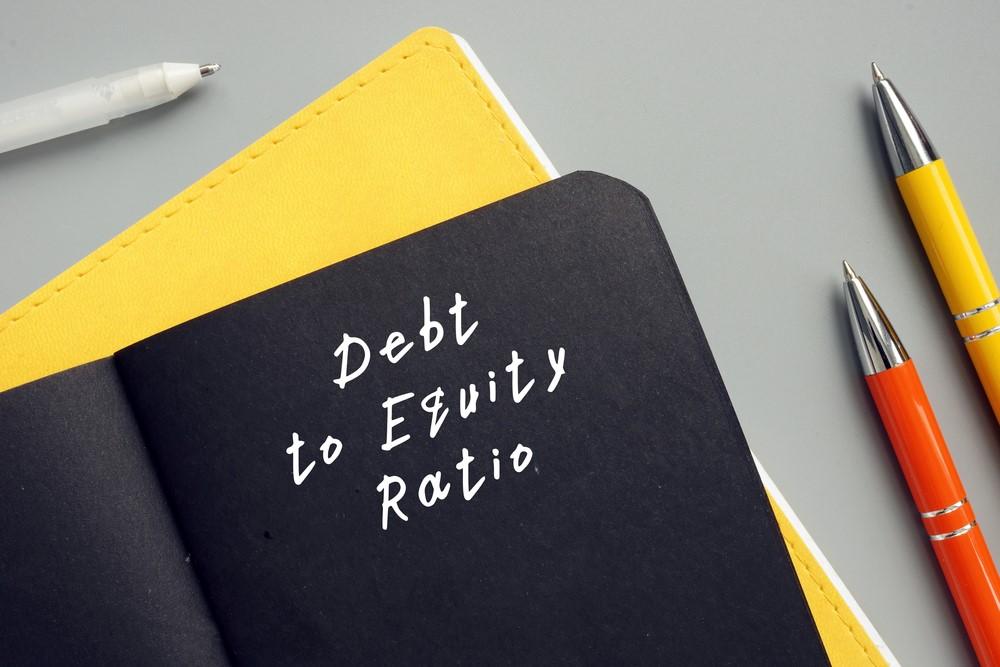
డెట్-టు-ఈక్విటీ (D/E) నిష్పత్తికి గైడ్ మరియు దానిని ఎలా లెక్కించాలి?

Guide to Debt-to-Equity (D/E) ratio and how to calculate it?

డెట్-టు-ఈక్విటీ నిష్పత్తి అనేది ఒక కంపెనీ యొక్క మొత్తం బాధ్యతలను దాని వాటాదారుల ఈక్విటీకి సరిపోల్చే ఒక ఆర్థిక నిష్పత్తి. మొత్తం బాధ్యతలలో బిజినెస్ బాకీ ఉన్న ప్రతిదీ ఉంటాయి. ఉదాహరణకు, స్వల్పకాలిక రుణాలు, దీర్ఘకాలిక రుణాలు మరియు ఇతర బాధ్యతలు. వాటాదారుల ఈక్విటీ అనేది ఒక బిజినెస్ యొక్క నికర విలువ (మొత్తం ఆస్తులు - మొత్తం బాధ్యతలు). రుణదాతలు మరియు పెట్టుబడిదారులు తరచుగా ఆర్థిక నిర్ణయాలు తీసుకోవడానికి మెట్రిక్‌ను ఉపయోగిస్తారు. D/E నిష్పత్తి అనేది కార్యకలాపాలకు ఫైనాన్స్ చేయడానికి దాని స్వంత మూలధనాన్ని ఉపయోగించకుండా ఒక కంపెనీ ఎంత అప్పుగా తీసుకుంటుందో సూచిస్తుంది. అధిక డెట్-టు-ఈక్విటీ నిష్పత్తి ఎక్కువ ఆర్థిక పరపతి మరియు ఇన్వెస్ట్‌మెంట్ రిస్క్‌ను సూచిస్తుంది.

డెట్-టు-ఈక్విటీ నిష్పత్తి ఫార్ములా వాటాదారుల ఈక్విటీ ద్వారా మొత్తం బాధ్యతలను విభజిస్తుంది. ఇది ఒక కంపెనీ యొక్క ఆర్థిక ఆరోగ్యాన్ని మూల్యాంకన చేయడానికి సహాయపడుతుంది.

ఫైనాన్స్ మరియు పెట్టుబడుల ప్రపంచంలో, తెలివైన నిర్ణయాలు తీసుకోవడానికి ఒక కంపెనీ యొక్క ఆరోగ్యం మరియు స్థిరత్వాన్ని అర్థం చేసుకోవడం చాలా ముఖ్యం. డెట్-టు-ఈక్విటీ (D/E) నిష్పత్తి అందుబాటులో ఉన్న వివిధ ఆర్థిక మెట్రిక్‌లలో కీలక సూచికగా నిలుస్తుంది.

ఈ ఆర్టికల్ డెట్-టు-ఈక్విటీ నిష్పత్తి, దాని ప్రాముఖ్యత మరియు దానిని ఎలా లెక్కించాలో చర్చిస్తుంది. ఇది మంచి నిష్పత్తిని కవర్ చేస్తుంది, ఒక ఆదర్శవంతమైన డెట్-టు-ఈక్విటీ నిష్పత్తిని నిర్వచిస్తుంది మరియు ప్రభావాలను వివరిస్తుంది.

డెట్-టు-ఈక్విటీ నిష్పత్తి అంటే ఏమిటి?

డెట్-టు-ఈక్విటీ (D/E) నిష్పత్తి అనేది ఒక కంపెనీ యొక్క ఆర్థిక ఆరోగ్యం మరియు స్థిరత్వాన్ని కొలవడానికి ఒక బారోమీటర్ అయిన ఒక క్లిష్టమైన ఫైనాన్షియల్ మెట్రిక్. ఇది సంస్థ యొక్క మొత్తం బాధ్యతలను దాని వాటాదారుల ఈక్విటీకి పోల్చి చూస్తుంది.

ఈ నిష్పత్తి ముఖ్యమైనది ఎందుకంటే ఇది కంపెనీ మూలధన నిర్మాణం యొక్క స్నాప్‌షాట్ మరియు అది దాని కార్యకలాపాలు మరియు వృద్ధికి ఎలా ఫైనాన్స్ చేస్తుంది. తక్కువ D/E నిష్పత్తి సాధారణంగా మరింత ఆర్థికంగా స్థిరమైన వ్యాపారాన్ని సూచిస్తుంది, అయితే అధిక నిష్పత్తి సంభావ్య ఆర్థిక రిస్క్‌ను సూచిస్తుంది.

డెట్-టు-ఈక్విటీ నిష్పత్తి యొక్క కీలక భాగాలు ఏమిటి?

D/E నిష్పత్తిని మెరుగ్గా అర్థం చేసుకోవడానికి, దాని భాగాలను బ్రేక్ డౌన్ చేయడం అవసరం:

మొత్తం బాధ్యతలు:

ఇది బ్యాంక్ రుణాలు, బాండ్లు, తనఖాలు మరియు కాలక్రమేణా తిరిగి చెల్లించవలసిన ఇతర బాధ్యతలతో సహా ఒక కంపెనీకి చెల్లించవలసిన అన్ని అప్పులను కలిగి ఉంటుంది.

షేర్‌హోల్డర్స్ ఈక్విటీ:

ఇది కంపెనీలో వాటాదారులు కలిగి ఉన్న మొత్తం. ఇది ఆస్తుల అవశేష విలువ మైనస్ బాధ్యతలు, తరచుగా కంపెనీ యొక్క నికర విలువ లేదా బుక్ విలువగా సూచించబడుతుంది.

డెట్-టు-ఈక్విటీ నిష్పత్తి ఎందుకు ముఖ్యం?

D/E నిష్పత్తి యొక్క ప్రాముఖ్యత కంపెనీ యొక్క ఆర్థిక పరపతి యొక్క త్వరిత కొలతను అందించే సామర్థ్యంలో ఉంది. ఫైనాన్షియల్ లివరేజ్ అనేది ఒక కంపెనీ తన కార్యకలాపాలకు ఫైనాన్స్ చేయడానికి అప్పును ఉపయోగించే పరిధిని సూచిస్తుంది. ఒక కంపెనీ ఆర్థిక ఇబ్బందులకు గురవుతుందా లేదా అది సురక్షితమైన జోన్‌లో పనిచేస్తుందో లేదో అర్థం చేసుకోవడానికి ఈ నిష్పత్తి పెట్టుబడిదారులకు సహాయపడుతుంది.

అధిక లేదా తక్కువ D/E నిష్పత్తి యొక్క రిస్కులు మరియు ప్రయోజనాలు ఏమిటి?

అధిక D/E నిష్పత్తి కలిగిన ఒక కంపెనీ అదనపు ఫండింగ్ పొందడం సవాలుగా ఉండవచ్చు, ఎందుకంటే రుణదాతలు మరియు పెట్టుబడిదారులు దానిని ఒక ప్రమాదకరమైన వెంచర్‌గా పరిగణించవచ్చు. మరోవైపు, ఒక నిర్దిష్ట స్థాయి డెట్ ప్రయోజనకరంగా ఉండవచ్చు ఎందుకంటే ఇది కంపెనీలు విస్తరణ మరియు వృద్ధి కోసం అప్పుగా తీసుకున్న ఫండ్స్‌ను వినియోగించుకోవడానికి అనుమతిస్తుంది, ఇది వాటాదారులకు అధిక రిటర్న్స్‌కు దారితీస్తుంది.

D/E నిష్పత్తి పరిశ్రమల వ్యాప్తంగా ఎలా మారుతుంది?

ఆరోగ్యకరమైన D/E నిష్పత్తి అంటే ఏమిటి అనేది పరిశ్రమల మధ్య విస్తృతంగా మారవచ్చు అని గమనించడం ముఖ్యం. ఉదాహరణకు, తయారీ లేదా యుటిలిటీలు వంటి క్యాపిటల్-తీవ్రమైన పరిశ్రమలు సహజంగా పరికరాలు మరియు మౌలిక సదుపాయాలలో అవసరమైన గణనీయమైన పెట్టుబడుల కారణంగా అధిక నిష్పత్తులను కలిగి ఉండవచ్చు. దీనికి విరుద్ధంగా, సర్వీస్-ఆధారిత రంగాలు లేదా టెక్ కంపెనీలు తక్కువ నిష్పత్తులను ప్రదర్శించవచ్చు.

కాలంతో డెట్-టు-ఈక్విటీ నిష్పత్తి ఎందుకు మారుతుంది?

D / E నిష్పత్తి అనేది ఒక స్థిరమైన కొలత కాదు మరియు కంపెనీ యొక్క రుణ స్థాయిలు మరియు ఈక్విటీ మార్పుగా కాలక్రమేణా మారవచ్చు. ఈ డైనమిక్ స్వభావం అంటే కంపెనీ యొక్క మారుతున్న ఆర్థిక స్థితిని అర్థం చేసుకోవడానికి నిష్పత్తి క్రమం తప్పకుండా పర్యవేక్షించబడాలి.

సంక్షిప్తంగా, డెట్-టు-ఈక్విటీ నిష్పత్తి అనేది ఆర్థిక విశ్లేషకులు, పెట్టుబడిదారులు మరియు కంపెనీ మేనేజర్ల ఆర్సెనల్‌లో ఒక ముఖ్యమైన సాధనం. ఇది ఒక కంపెనీ యొక్క ఆర్థిక పరపతి మరియు రిస్క్ ప్రొఫైల్‌ను అంచనా వేయడానికి వేగవంతమైన మరియు సమర్థవంతమైన మార్గాన్ని అందిస్తుంది. తెలివైన ఆర్థిక నిర్ణయాలు మరియు వ్యూహాలను తీసుకోవడానికి పరిశ్రమ-నిర్దిష్ట బెంచ్‌మార్క్‌లు మరియు కాలక్రమేణా మార్పుల ప్రభావాలతో సహా ఈ నిష్పత్తి యొక్క సూక్ష్మతలను అర్థం చేసుకోవడం చాలా ముఖ్యం.

How to calculate the debt-to-equity ratio (step-by-step)?

Calculating the debt-to-equity (D/E) ratio is a fundamental process in financial analysis, enabling stakeholders to understand a company’s financial leverage. Here’s a detailed look at each step of the calculation process:

Step 1: Determine total liabilities

  • Short-term liabilities: These are debts and obligations that a company needs to pay within a year. Examples include accounts payable, short-term loans, taxes payable, and other current liabilities.
  • Long-term liabilities: These are debts and obligations that are due beyond one year. This category includes long-term loans, bonds payable, deferred tax liabilities, lease obligations, and pension fund liabilities.
  • Calculating total liabilities: Add up both short-term and long-term liabilities to arrive at the total liabilities figure. It’s important to ensure that all relevant liabilities are included to get an accurate picture.

Step 2: Determine shareholder equity

  • Components of shareholder equity: Shareholder equity typically includes common stock, preferred stock, retained earnings, and treasury stock. It represents the residual interest in the assets of the company after deducting liabilities.
  • Calculating shareholder equity: This can be done by either subtracting total liabilities from total assets (as per the accounting equation) or by adding up all components of equity as listed in the balance sheet.

Step 3: Debt-to-equity ratio formula

Once you have the total liabilities and shareholders’ equity, calculate the D/E ratio using the formula:

Debt-To-Equity Ratio = Shareholders’ Equity/Total Liabilities​

How to interpret the debt-to-equity ratio?

●      Low D/E Ratio:

A low ratio indicates that a company primarily uses equity to finance its operations, which can signify financial stability.

●      High D/E Ratio:

A high ratio suggests that a company relies more on debt to finance its operations. While this can benefit from leveraging growth, it also increases the financial risk, especially during economic downturns.

What does a high debt-to-equity ratio indicate?

A high debt-to-equity ratio indicates that a company relies more on borrowed funds than on its own equity to finance operations and growth. When a company has a high D/E ratio, it can expand faster. However, the financial risk also increases because loan repayments and interest costs need to be met regularly.

When it comes to lenders and investors, they consider a very high ratio as a sign of higher risk. But there is no defined “high”. It varies across industries. Therefore, you must compare the ratio with similar businesses to understand if it is high or low.

What does a low debt-to-equity ratio indicate?

A low debt-to-equity ratio indicates that a company uses less borrowed money and relies more on its own funds or shareholders’ equity to operate and grow. It is generally an indicator of stronger financial stability. It also reflects lower repayment pressure.

When it comes to lenders and investors, companies with a low D/E ratio are considered less risky. However, an extremely low ratio can also mean that the company is not fully using debt to support expansion opportunities. The ideal ratio of debt-equity ratio depends on the industry and business goals.

What does a negative debt-to-equity ratio mean?

A negative debt-to-equity ratio means that a company has negative shareholders’ equity. It occurs when a business’s total liabilities are more than its total assets. The most common reasons are continuous losses or large debt obligations. It can be an indicator of financial stress, leaving investors and lenders cautious. However, it is vital to analyze the ratio along with other financial indicators. A negative D/E ratio doesn’t always mean that the business cannot recover.

What are the advantages of a healthy debt-to-equity ratio?

The advantages of having a healthy debt-to-equity ratio are as follows:

  1. Better financial stability: A healthy debt-to-equity ratio shows that the business is not overly dependent on borrowed money. As a result, it can manage financial challenges more effectively.
  2. Easier access to loans: Lenders often prefer businesses with balanced debt levels, making it easier to secure loans and credit when needed.
  3. Greater investor confidence: Investors may view a healthy ratio as a sign of responsible financial management and lower risk.
  4. Balanced growth opportunities: A healthy D/E ratio allows a company to grow while keeping debt under control. It reduces repayment pressure and financial strain.

What are the limitations of the debt-to-equity ratio?

The drawbacks of a D/E ratio are as follows:

  1. Ignores industry differences: A good debt-to-equity ratio varies by industry. If you compare companies from different sectors, it may lead to inaccurate conclusions.
  2. Does not show cash flow: The ratio does not reveal whether a company generates enough cash to repay its debt obligations on time.
  3. Based on accounting values: It uses balance sheet figures, which may not always reflect the current market value of assets and equity.
  4. Cannot measure overall financial health: The ratio should be used with other financial metrics for a complete assessment of business performance.

Debt-to-equity ratio vs Gearing ratio – What are the key differences?

The following table highlights the differences between the debt-to-equity ratio and gearing ratio.

ఆధారంగాDebt-to-equity ratioGearing ratio
అర్ధంCompares total debt with shareholders’ equity.Measures the proportion of a company’s debt to its capital structure.
ఫోకస్Shows reliance on borrowed funds versus owners’ funds.Evaluates overall financial leverage and risk.
ఫార్ములాTotal Debt / Shareholders’ EquityCan use different formulas, such as Debt / Equity or Debt / Capital Employed
ఉపయోగించండిCommonly used by lenders and investors.Used to assess long-term financial stability and borrowing risk.

How do businesses use the debt-to-equity ratio?

Businesses use the debt-to-equity ratio in various ways, such as:

  1. Assess financial risk: Businesses use the debt-to-equity ratio to understand whether they are relying too much on borrowed money and to manage financial risk effectively.
  2. Plan future borrowing: Companies can refer to the ratio to decide if taking on additional loans for expansion or operations is a good idea.
  3. Attract investors: If a company has a balanced D/E ratio, investors can feel more confident about it. The ratio indicates responsible financial management.
  4. Monitor financial health: Businesses track the ratio regularly to maintain a healthy balance between debt and equity. Having a debt-equity ratio ideal value supports long-term growth.

How to use the debt-to-equity ratio for personal finance?

The debt-to-equity ratio can be used for personal finance in the following ways:

  1. Compare your debt and net worth: You can use the debt-to-equity ratio to compare what you owe (loans and debts) with what you own (assets minus liabilities).
  2. Assess financial health: The ratio helps you determine your financial strength. A lower ratio generally indicates that you rely less on borrowed money and have stronger personal finances.
  3. Plan future borrowing: Checking the ratio before taking a new loan helps to understand whether you can manage the debt with ease.
  4. Track progress over time: You can monitor the ratio to see if you are reducing debt and building wealth more effectively.

What is a debt-to-equity ratio calculator?

If you want to know how to calculate the debt-to-equity ratio, you can either use the formula for manual calculation or opt for the quick online calculator. A debt-to-equity ratio calculator simplifies the process of calculating this ratio. By inputting the total liabilities and shareholders’ equity, the calculator provides the D/E ratio, making it easier for investors and analysts to compare companies quickly.

ముగింపు

Understanding the debt-to-equity ratio is paramount for assessing a company’s financial stability and risk profile. Whether you are an investor, a creditor, or a company executive, a clear grasp of what this ratio indicates and how to calculate it is essential.

For those seeking to further their business ventures, knowing your D/E ratio can be crucial. Explore financial solutions like a Business Loan from Tata Capital to balance your company’s financial health.

Remember, a healthy debt-to-equity ratio could be your first step towards financial stability and growth.

సాధారణ ప్రశ్నలు

డెట్-టు-ఈక్విటీ నిష్పత్తి డెట్ నిష్పత్తి నుండి ఎలా భిన్నంగా ఉంటుంది?

డెట్-టు-ఈక్విటీ నిష్పత్తి ఒక కంపెనీ యొక్క డెట్ ను దాని వాటాదారుల ఈక్విటీతో పోల్చి చూస్తుంది. మరోవైపు, రుణ నిష్పత్తి మొత్తం ఆస్తులతో మొత్తం అప్పును పోల్చి చూస్తుంది. రెండూ ఆర్థిక పరపతిని కొలుస్తాయి కానీ వివిధ బెంచ్‌మార్క్‌లను ఉపయోగిస్తాయి.

ఒక కంపెనీ సున్నా డెట్-టు-ఈక్విటీ నిష్పత్తిని కలిగి ఉండవచ్చా?

అవును. ఒక కంపెనీకి బాకీ ఉన్న అప్పు మరియు సానుకూల వాటాదారుల ఈక్విటీ లేకపోతే, దాని డెట్-టు-ఈక్విటీ నిష్పత్తి సున్నాగా ఉంటుంది. సున్నా D/E నిష్పత్తి కంపెనీ అప్పు తీసుకోకుండా పనిచేస్తుందని చూపుతుంది.

రుణదాతలు డెట్-టు-ఈక్విటీ నిష్పత్తిని ఎందుకు తనిఖీ చేస్తారు?

ఆర్థిక రిస్క్‌ను అంచనా వేయడానికి రుణదాతలు D/E నిష్పత్తిని తనిఖీ చేస్తారు. ఒక కంపెనీ రుణంపై మరియు రీపేమెంట్లను నిర్వహించే దాని సామర్థ్యంపై ఎక్కువగా ఆధారపడుతుందో లేదో అర్థం చేసుకోవడానికి ఇది వారికి సహాయపడుతుంది.

డెట్-టు-ఈక్విటీ నిష్పత్తిని ఎంత తరచుగా లెక్కించాలి?

కంపెనీలు ప్రతి త్రైమాసికంలో లేదా వారు ఆర్థిక స్టేట్‌మెంట్లను సిద్ధం చేసినప్పుడు నిష్పత్తిని లెక్కించాలి. క్రమం తప్పకుండా నిష్పత్తిని పర్యవేక్షించడం ద్వారా, మీరు అప్పు తీసుకోవడం మరియు ఆర్థిక ఆరోగ్యంలో మార్పులను ట్రాక్ చేయవచ్చు.

అధిక డెట్-టు-ఈక్విటీ నిష్పత్తి అంటే ఎల్లప్పుడూ అధిక రిస్క్ అని అర్థం ఉంటుందా?

లేదు. కొన్ని పరిశ్రమలు సహజంగా మరింత అప్పును ఉపయోగిస్తాయి. కాబట్టి, అధిక నిష్పత్తి ప్రమాదాన్ని సూచించగలిగినప్పటికీ, ఇది లాభదాయకత, నగదు ప్రవాహం మరియు పరిశ్రమ ప్రమాణాలతో పాటు మూల్యాంకన చేయబడాలి.

ఏ పరిశ్రమలకు సాధారణంగా తక్కువ డెట్-టు-ఈక్విటీ నిష్పత్తులు ఉంటాయి?

టెక్నాలజీ, సాఫ్ట్వేర్, కన్సల్టింగ్ మరియు ఇతర సర్వీస్-ఆధారిత పరిశ్రమలకు డెట్-టు-ఈక్విటీ నిష్పత్తి తరచుగా తక్కువగా ఉంటుంది, ఎందుకంటే వారికి తక్కువ మూలధన ఇన్వెస్ట్‌మెంట్ మరియు రుణాలు అవసరం.

స్టార్టప్‌లు అధిక డెట్-టు-ఈక్విటీ నిష్పత్తిని కలిగి ఉండవచ్చా?

అవును, పరిమిత ఈక్విటీ కలిగి ఉన్నప్పుడు వృద్ధి కోసం నిధులను అప్పుగా తీసుకుంటే స్టార్టప్‌లకు అధిక డెట్-టు-ఈక్విటీ నిష్పత్తిని కలిగి ఉండటం సాధ్యమవుతుంది. ఇది వారి ప్రారంభ దశలలో ఎక్కువగా ఉంటుంది.

ద్రవ్యోల్బణం డెట్-టు-ఈక్విటీ నిష్పత్తిని ఎలా ప్రభావితం చేస్తుంది?

ద్రవ్యోల్బణం వ్యాపార ఖర్చులను పెంచుతుంది మరియు లాభాలను ప్రభావితం చేయవచ్చు. ఇది ఆస్తి విలువలు మరియు అప్పు తీసుకునే అవసరాలను కూడా మార్చవచ్చు. కాలక్రమేణా, ఇది డెట్-టు-ఈక్విటీ నిష్పత్తిపై పరోక్ష ప్రభావాన్ని చూపుతుంది.

డెట్-టు-ఈక్విటీ నిష్పత్తి అంటే ఏమిటి?

ఒక "మంచి" D/E నిష్పత్తి పరిశ్రమ ప్రకారం మారుతుంది. సాధారణంగా, సుమారు 1 లేదా అంతకంటే తక్కువ నిష్పత్తి ఆరోగ్యంగా పరిగణించబడుతుంది, బాధ్యతలు దాదాపుగా ఈక్విటీకి సమానం అని సూచిస్తుంది. అయితే, ఒక ఆదర్శవంతమైన D/E నిష్పత్తి పరిశ్రమ మరియు వ్యాపార నమూనాపై కూడా ఆధారపడి ఉంటుంది. యుటిలిటీలు వంటి కొన్ని రంగాలు, సాధారణంగా పెద్ద మౌలిక సదుపాయాల పెట్టుబడుల కారణంగా అధిక నిష్పత్తులను కలిగి ఉంటాయి.

డెట్-టు-ఈక్విటీ నిష్పత్తి ఏమి సూచిస్తుంది?

ఒక అధిక D/E నిష్పత్తి అనేది ఒక కంపెనీ దాని లాభాలు తగ్గితే దాని లోన్ల పై డిఫాల్ట్ అయ్యే ప్రమాదం కలిగి ఉండవచ్చని సూచిస్తుంది. దీనికి విరుద్ధంగా, ఒక తక్కువ D/E నిష్పత్తి అనేది ఒక కంపెనీ ఆర్థిక పరపతి యొక్క సంభావ్య ప్రయోజనాలను పొందలేదని సూచించవచ్చు.

ఎక్కువగా చూసిన బ్లాగులు