ಟಾಟಾ ಕ್ಯಾಪಿಟಲ್ ಆ್ಯಪ್ ಮೂಲಕ ಲೋನ್‌ಗೆ ಅಪ್ಲೈ ಮಾಡಿ ಮತ್ತು ನಿಮ್ಮ ಅಕೌಂಟ್ ನಿರ್ವಹಿಸಿ.ಈಗಲೇ ಡೌನ್ಲೋಡ್ ಮಾಡಿ

ಬ್ಲಾಗ್‌ಗಳು

ಬೆಂಬಲ

ಆಫರ್‌ಗಳು ಕ್ವಿಕ್‌ಪೇ

ಟಾಟಾ ಕ್ಯಾಪಿಟಲ್ > ಬ್ಲಾಗ್ > ಪರ್ಸನಲ್ ಯೂಸ್ ಲೋನ್ > EMI ಬೌನ್ಸ್ ಶುಲ್ಕ ಎಂದರೇನು ಮತ್ತು ಅದು ಏಕೆ ಮುಖ್ಯ?

ಪರ್ಸನಲ್ ಯೂಸ್ ಲೋನ್

 EMI ಬೌನ್ಸ್ ಶುಲ್ಕ ಎಂದರೇನು ಮತ್ತು ಅದು ಏಕೆ ಮುಖ್ಯವಾಗಿದೆ?

 What is an EMI Bounce Charge and Why Does it Matter?

EMI bounce charges refer to the penalty levied by the lender when a scheduled EMI (Equated Monthly Instalment) payment fails in the event of technical issues or insufficient funds in the borrower’s bank account. These charges are meant to encourage timely repayments and compensate the lender for the additional costs involved in handling missed payments.

ಸಾಲದಾತರು ಮರುಪಾವತಿಯಲ್ಲಿ ವಿಳಂಬವಾಗಿ ಬೌನ್ಸ್ ಆದ EMI ಅನ್ನು ಪರಿಗಣಿಸುತ್ತಾರೆ. ಪುನರಾವರ್ತಿತ ಪಾವತಿ ವಿಫಲತೆಗಳು ನಿಮ್ಮ ಮರುಪಾವತಿ ವೆಚ್ಚವನ್ನು ಹೆಚ್ಚಿಸುವುದಷ್ಟೇ ಅಲ್ಲದೆ ನಿಮ್ಮ ಕ್ರೆಡಿಟ್ ಸ್ಕೋರ್ ಮೇಲೆ ಋಣಾತ್ಮಕವಾಗಿ ಪರಿಣಾಮ ಬೀರುತ್ತವೆ ಎಂಬುದನ್ನು ತಿಳಿದುಕೊಳ್ಳಿ, ಭವಿಷ್ಯದಲ್ಲಿ ಲೋನ್‌ಗಳನ್ನು ಪಡೆಯುವುದು ಕಷ್ಟವಾಗುತ್ತದೆ.

ಪರ್ಸನಲ್ ಲೋನ್ EMI ಬೌನ್ಸ್ ಶುಲ್ಕಗಳು ಮತ್ತು ಅವುಗಳು ಈ ಮಾರ್ಗದರ್ಶಿಯಲ್ಲಿ ಏಕೆ ಮುಖ್ಯ ಎಂಬುದರ ಬಗ್ಗೆ ಇನ್ನಷ್ಟು ತಿಳಿಯಿರಿ.

What is EMI Bounce Meaning?

If you’re wondering what is EMI bounce, it means when the bank could not deduct your monthly instalment because your account didn’t have enough balance, your mandate failed, or your auto-debit instruction expired.

EMI bounce meaning simply refers to a situation where a scheduled EMI payment fails to go through on the due date. There are also certain penalties that follow an EMI bounce. Lenders record it as a missed payment and may add charges to your next cycle. 

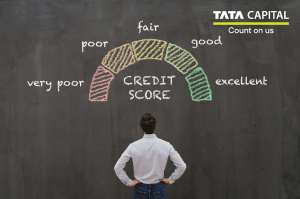
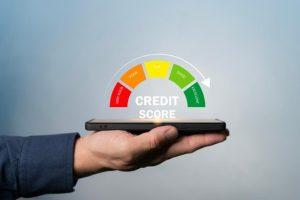
Understanding the meaning of EMI bounce is important as repeated EMI bounces can negatively impact your credit score, loan eligibility, and overall financial reputation. 

Understanding Different Types of Personal Loan EMI Bounce Charges

When an EMI fails, lenders apply different types of personal loan EMI bounce charges depending on the reason for failure. The most common types of EMI bounce charges include a flat penalty or a percentage-based fee added to the next EMI cycle. 

Banks may also impose bank charges for EMI bounce when a cheque or NACH mandate fails. 

Different lender charges for EMI bounce include: 

  • EMI ಬೌನ್ಸ್ ಶುಲ್ಕಗಳು
  • ತಡ ಪಾವತಿ ಶುಲ್ಕಗಳು
  • Bank Charges

These categories will be discussed in detail in the “EMI Bounce Charges and Penalties” section below. 

Real-Life Scenarios and Examples of EMI Bounce

EMI bounce is a very common issue and there are many practical EMI bounce examples that help explain how this might happen. 

  • One of the most common EMI bounce situations is insufficient account balance on the EMI date. It could be because of a salary delay, causing the EMI date to arrive before your income is credited. Your EMI fails, and the lender applies a penalty. 
  • Another scenario is a technical error, such as a failed auto-debit mandate or an expired debit card linked to your loan. Sometimes banks switch systems, change account numbers, or deactivate old cards, and if the updated details aren’t linked to your loan, the EMI request gets rejected. 
  • In the worst case EMI bounce scenario, repeated failures can harm your ಕ್ರೆಡಿಟ್ ಸ್ಕೋರ್ and make future borrowing more difficult.   

EMI ಬೌನ್ಸ್ ಶುಲ್ಕಗಳು ಮತ್ತು ದಂಡಗಳು

Personal loan EMI bounce charges include penalties levied by both your bank and lender due to insufficient funds or technical issues on the day of a scheduled payment. Repeated EMI bounces can not only lead to additional costs but also harm your credit profile and, in serious cases, result in legal consequences. Below is a detailed breakdown of the key charges and consequences:

1. EMI Bounce Charges

ನಿಮ್ಮ EMI ಪಾವತಿ ಬೌನ್ಸ್ ಆದಾಗ ನಿಮ್ಮ ಲೋನ್ ಒದಗಿಸುವವರು ಈ ಶುಲ್ಕವನ್ನು ವಿಧಿಸುತ್ತಾರೆ. ಈ ಮೊತ್ತವು ಸಾಮಾನ್ಯವಾಗಿ ರೂ. 250 ರಿಂದ ರೂ. 1,500 ವರೆಗೆ ಇರುತ್ತದೆ. ವಿಫಲವಾದ ಪಾವತಿಯ ಸಂದರ್ಭದಲ್ಲಿ ಕೆಲವು ಸಾಲದಾತರು EMIನ 1-3% ಅನ್ನು ಪ್ರಕ್ರಿಯಾ ಶುಲ್ಕವಾಗಿ ವಿಧಿಸುತ್ತಾರೆ.

2. Late Payment Charges

ಗಡುವು ದಿನಾಂಕದ ನಂತರ EMI ಪಾವತಿಸಿದರೆ, ಸಾಲದಾತರು ತಡವಾದ ಪಾವತಿ ಶುಲ್ಕವನ್ನು ವಿಧಿಸಬಹುದು. ಇದು ಸಾಮಾನ್ಯವಾಗಿ ಗಡುವು ಮೀರಿದ ಮೊತ್ತದ ಮೇಲೆ ತಿಂಗಳಿಗೆ 2-3% ಆಗಿರುತ್ತದೆ, ಲೋನಿನ ಒಟ್ಟಾರೆ ವೆಚ್ಚವನ್ನು ಹೆಚ್ಚಿಸುತ್ತದೆ.

3. Bank Charges

Apart from the lender’s EMI bounce charges, the bank may also impose a charge if the auto-debit or NACH mandate fails. This fee generally ranges from Rs. 200 to Rs. 500 per failed transaction.

4. Legal Consequences

ನಿಮ್ಮ EMIಗಳು ಅನೇಕ ಬಾರಿ ಬೌನ್ಸ್ ಆದರೆ, ನೀವು ಕಾನೂನು ಪರಿಣಾಮಗಳನ್ನು ಎದುರಿಸಬಹುದು. ಕೆಲವು ಸಂದರ್ಭಗಳಲ್ಲಿ, EMI ಪಾವತಿಸಲು ವಿಫಲವಾದರೆ ಸಾಲದಾತರು ಪೂರ್ಣ ಮರುಪಾವತಿ ಅಥವಾ ನಿಮ್ಮ ಅಡವಿಡಲಾದ ಸ್ವತ್ತುಗಳನ್ನು ವಶಪಡಿಸಿಕೊಳ್ಳಲು ಮತ್ತು ಮಾರಾಟ ಮಾಡಲು ಬಯಸಬಹುದು.

EMI ಬೌನ್ಸ್‌ನ ಕಾರಣಗಳು

Now that you understand the EMI bounce charges meaning, it is also essential to know what causes an EMI to bounce:

  • ನಿಮ್ಮ ಬ್ಯಾಂಕ್ ಅಕೌಂಟ್‌ನಲ್ಲಿ ಸಾಕಷ್ಟು ಹಣವಿಲ್ಲ
  • ಸಿಸ್ಟಮ್ ಅಪ್ಡೇಟ್‌ಗಳು ಮತ್ತು ನಿರ್ವಹಣಾ ವಿಳಂಬಗಳು
  • ತಾಂತ್ರಿಕ ತೊಂದರೆಗಳು
  • ತಪ್ಪಾದ ಚೆಕ್ ವಿವರಗಳು ಅಥವಾ ತಾಳೆಯಾಗದ ಸಹಿ
  • ಆಟೋ-ಡೆಬಿಟ್ ಸೆಟಪ್/ಇಸಿಎಸ್‌ನಲ್ಲಿ ದೋಷಗಳು
  • ಗರಿಷ್ಠ ಓವರ್‌ಡ್ರಾಫ್ಟ್ ಮಿತಿ

h2 – How to Avoid EMI Bounce Charges

Here are some ways to avoid personal loan EMI bounce charges in a financially responsible way:

1. Maintain Sufficient Balance

ಬೌನ್ಸಿಂಗ್‌ನಿಂದ ನಿಮ್ಮ EMI ತಪ್ಪಿಸಲು ಸರಳ ಮಾರ್ಗವೆಂದರೆ ಪ್ರತಿ ತಿಂಗಳು ನಿಮ್ಮ ಅಕೌಂಟ್‌ನಲ್ಲಿ ಸಾಕಷ್ಟು ಬ್ಯಾಲೆನ್ಸ್ ನಿರ್ವಹಿಸುವುದು. ನಿಯಮಿತವಾಗಿ ನಿಮ್ಮ ಅಕೌಂಟನ್ನು ಮೇಲ್ವಿಚಾರಣೆ ಮಾಡಿ ಮತ್ತು ಗಡುವು ದಿನಾಂಕಕ್ಕಿಂತ ಮೊದಲು ಅಗತ್ಯವಿರುವ ಬ್ಯಾಲೆನ್ಸ್ ಅನ್ನು ನಿರ್ವಹಿಸಿ.

2. Automate EMI Payments

Setting up automated EMI payments is a smart way to ensure timely repayments. Instead of manually paying each month, you can give a standing instruction to your bank to debit the EMI amount on a fixed date and transfer it directly to the lender. This reduces the risk of missed payments and helps you avoid EMI bounce charges.

3. Plan Your Budget 

Before you even apply for a loan, have a clear repayment strategy. Start by cutting down on non-essential expenses such as frequent travel, dining out, or impulsive shopping. Use an EMI ಕ್ಯಾಲ್ಕುಲೇಟರ್ to estimate your monthly instalments and assess what you can realistically afford. Based on this, select a loan tenure that will result in manageable EMIs such that your monthly budget is not disturbed.

4. Negotiate with your Lender<

If you’re going through a financial slump and are unable to pay your EMIs timely, let your lender know. This can help you get a grace period, partial payment options, and restructuring options.

Long-Term Effects of EMI Bounce on Borrower’s Credit Score

When your EMI fails to go through, it can severely affect your credit score in the long run, such as:

  • Low Credit Score: EMI bounces significantly lower your credit score
  • High Interest Rates: A low credit score leads to higher interest rates and shorter tenures on future loans.
  • Rejected Future Applications: Lenders may reject your future loan applications due to an unreliable borrower profile.
  • Legal Issues: Sustained delays in EMI repayments might also lead to legal consequences by the lender.

How Tata Capital can help prevent EMI bounces

ಟಾಟಾ ಗ್ರೂಪ್ ಅಡಿಯಲ್ಲಿ ವಿಶ್ವಾಸಾರ್ಹ ಹೆಸರಾಗಿರುವ ಟಾಟಾ ಕ್ಯಾಪಿಟಲ್, ಲೋನ್ ನೀಡುವ ಉದ್ಯಮದಲ್ಲಿ ತನ್ನ ವಿಶ್ವಾಸಾರ್ಹತೆ ಮತ್ತು ಪಾರದರ್ಶಕತೆಗೆ ಹೆಸರುವಾಸಿಯಾಗಿದೆ.

Tata Capital’s personal loans are designed to meet diverse needs—weddings, travel, education, or emergencies. With Tata Capital, borrowers enjoy competitive interest rates starting from 10.99% p.a., making borrowing affordable. The loans also come with flexible repayment tenures, allowing borrowers to choose terms that suit their budget and align with their repayment ability. With minimal documentation and quick approvals, Tata Capital ensures a hassle-free borrowing experience.

ನಿಮ್ಮ ಅಗತ್ಯಗಳಿಗೆ ಸರಿಯಾದ ಹೊಂದಿಕೆಯನ್ನು ಕಂಡುಹಿಡಿಯಲು ಟಾಟಾ ಕ್ಯಾಪಿಟಲ್‌ನ ಪರ್ಸನಲ್ ಲೋನ್‌ಗಳನ್ನು ಅನ್ವೇಷಿಸಿ.

ತೀರ್ಮಾನ

Missed EMI payments, especially when frequent, can have potentially devastating consequences – higher interest rates on future loans, lower credit scores, and legal consequences. Understanding personal loan EMI bounce charges and their implications is crucial for maintaining financial discipline and protecting your creditworthiness. These charges not only increase your loan cost but also signal poor repayment behaviour to lenders. By practising financial discipline and budgeting wisely, you can avoid EMI bounce charges effectively. If you’re planning to apply for a personal loan, consider trusted lenders like Tata Capital that offer transparent terms, flexible tenures, and a seamless borrowing experience.

ಲೋನ್‌ಗಳ ಬಗ್ಗೆ ಇನ್ನಷ್ಟು

ಸಾಮಾನ್ಯ ಪ್ರಶ್ನೆಗಳು

ನಾನು 3 ತಿಂಗಳವರೆಗೆ ನನ್ನ ಪರ್ಸನಲ್ ಲೋನ್‌ನ EMI ಅನ್ನು ಪಾವತಿಸದಿದ್ದರೆ ಏನಾಗುತ್ತದೆ?

ನೀವು ನಿಮ್ಮ ಪರ್ಸನಲ್ ಲೋನ್‌ನ EMI ಅನ್ನು ಮೂರು ತಿಂಗಳವರೆಗೆ ಪಾವತಿಸಲು ವಿಫಲವಾದರೆ, ನೀವು ಹೆಚ್ಚಿನದನ್ನು ಎದುರಿಸಬಹುದು EMI ಬೌನ್ಸ್ ಶುಲ್ಕಗಳು, ಹೆಚ್ಚಿದ ಬಡ್ಡಿ ದರಗಳು ಮತ್ತು ಕಡಿಮೆ ಕ್ರೆಡಿಟ್ ಸ್ಕೋರ್. ಅಂತಿಮವಾಗಿ, ಇದು ಕಾನೂನು ಪರಿಣಾಮಗಳು ಮತ್ತು ನಿಮ್ಮ ಅಡವಿಡಲಾದ ಸ್ವತ್ತುಗಳ ಲಿಕ್ವಿಡೇಶನ್‌ಗೆ ಕೂಡ ಕಾರಣವಾಗಬಹುದು.

ನಾನು EMI ಬೌನ್ಸ್ ಮೆಸೇಜ್ ಪಡೆದರೆ ಏನು ಮಾಡಬೇಕು?

ನಿಮ್ಮ EMI ಬೌನ್ಸ್ ಆಗಿದೆ ಎಂದು ತಿಳಿಸುವ ಮೆಸೇಜ್ ಅನ್ನು ನೀವು ಪಡೆದರೆ, ನಿಮ್ಮ ಬ್ಯಾಲೆನ್ಸ್ ಪರಿಶೀಲಿಸಿ ಮತ್ತು ನೀವು ತಕ್ಷಣವೇ ಬಾಕಿಗಳನ್ನು ಕ್ಲಿಯರ್ ಮಾಡುವುದನ್ನು ಖಚಿತಪಡಿಸಿಕೊಳ್ಳಿ. ಇದು ಯಾವುದೇ ಹೆಚ್ಚಿನ ದಂಡಗಳು ಮತ್ತು ಶುಲ್ಕಗಳನ್ನು ತಪ್ಪಿಸಲು ಸಹಾಯ ಮಾಡುತ್ತದೆ. ಇಲ್ಲದಿದ್ದರೆ, ಅಗತ್ಯವಿದ್ದರೆ ನೀವು ನಿಮ್ಮ ಸಾಲದಾತರಿಗೆ ಗ್ರೇಸ್ ಅವಧಿ ಅಥವಾ ಮರುಪಾವತಿ ಆಯ್ಕೆಗಳನ್ನು ಕೇಳಬಹುದು.

EMI ಬೌನ್ಸ್ ನನ್ನ ಭವಿಷ್ಯದ ಲೋನ್ ಅಪ್ಲಿಕೇಶನ್‌ಗಳ ಮೇಲೆ ಪರಿಣಾಮ ಬೀರಬಹುದೇ?

ಹೌದು, ಬೌನ್ಸ್ ಆದ ಇಎಂಐಗಳು ನಿಮ್ಮ ಭವಿಷ್ಯದ ಲೋನ್ ಅಪ್ಲಿಕೇಶನ್‌ಗಳ ಮೇಲೆ ಗಮನಾರ್ಹವಾಗಿ ಪರಿಣಾಮ ಬೀರಬಹುದು ಏಕೆಂದರೆ ಅವುಗಳು ನಿಮ್ಮ ಕ್ರೆಡಿಟ್ ಸ್ಕೋರ್ ಕಡಿಮೆ ಮಾಡುತ್ತವೆ. ಕಡಿಮೆ ಕ್ರೆಡಿಟ್ ಸ್ಕೋರ್ ಹಣಕಾಸಿನ ಅಸ್ಥಿರತೆ ಮತ್ತು ಮರುಪಾವತಿ ಅಸಮರ್ಥತೆಯನ್ನು ಪ್ರತಿನಿಧಿಸುತ್ತದೆ, ಇದು ನಂತರ ಹೆಚ್ಚಿನ ಬಡ್ಡಿ ದರಗಳು ಅಥವಾ ಕಡಿಮೆ ಅವಧಿಗಳಿಗೆ ಕಾರಣವಾಗುತ್ತದೆ. ಗಂಭೀರ ಸಂದರ್ಭಗಳಲ್ಲಿ, ನಿಮ್ಮ ಲೋನ್ ಅಪ್ಲಿಕೇಶನ್ ಅನ್ನು ಕೂಡ ನಿರಾಕರಿಸಬಹುದು.

ತಪ್ಪಿಹೋದ ಇಎಂಐಗಳ ಹಣಕಾಸಿನ ಪರಿಣಾಮಗಳು ಯಾವುವು?

Missing EMI payments causes negative financial consequences such as late payment charges, lowered CIBIL scores, legal consequences, and asset liquidation. These consequences can even be long-term as these defaults taint your credit report, making it difficult for you to get approved for financing in the future.

ತಪ್ಪಿಹೋದ EMI ಗಳಿಗಾಗಿ ನನ್ನ ವಿರುದ್ಧ ಕಾನೂನು ಕ್ರಮವನ್ನು ತೆಗೆದುಕೊಳ್ಳಬಹುದೇ?

Yes, lenders can take legal action against you for missing your monthly instalments under Section 138 of the Negotiable Instruments Act. In the case of a secured loan, lenders are within their rights to seize the collateral deposit, send a legal notice, or require you to pay the outstanding amount upfront.

What is the exact meaning of EMI bounce?

An EMI bounce happens when your monthly repayment (the EMI) fails to be debited from your account. It usually occurs because of insufficient funds or a failed mandate.

How much are personal loan EMI bounce charges in India?

EMI bounce charges vary by lender. It usually ranges between Rs. 250 to Rs. 1500. Some lenders charge 1-3% of the EMI as processing charges in the event of a failed payment. Sometimes even a bank may impose a charge of R. 200 to Rs. 500 other than the EMI bounce charge.

Do EMI bounces affect your CIBIL score permanently?

EMI bounces can lower your CIBIL score, especially if repeated failures occur. But the effect isn’t permanent, timely repayments later can help improve your score again.

What is a NACH mandate failure and how does it cause EMI bounce?

A NACH mandate failure means the automated payment instruction (NACH / e-mandate) set up with your bank didn’t go through. It occurs when the NACH mandate isn’t registered or was rejected. When that happens, the EMI cannot be auto-debited, resulting in an EMI bounce.

Can I negotiate EMI bounce charges with my bank or lender?

In many cases, you can talk to your lender and try to waive or reduce bounce charges if you explain the reason (e.g. one-time salary delay or technical issue). Some lenders are flexible and may give you grace period, especially for first-time or occasional bounces.

What legal steps can a lender take for multiple EMI bounces?

If you repeatedly miss EMIs, the lender could begin legal proceedings, demand full repayment, or enforce security (if you pledged any assets). Over time, repeated defaults might trigger recovery action under applicable debt-recovery laws.

How can I prevent repeated personal loan EMI bounces?

In order to avoid repeated personal loan EMI bounce, it’s important to maintain enough balance in the bank account linked to your loan before the due date. Setting up an auto-debit or e-mandate ensures the payment goes through automatically without you having to remember it each month. Lastly, make sure to update your mandate or bank details whenever you change accounts or cards, as outdated information can cause technical failures.