ಟಾಟಾ ಕ್ಯಾಪಿಟಲ್ ಆ್ಯಪ್ ಮೂಲಕ ಲೋನ್‌ಗೆ ಅಪ್ಲೈ ಮಾಡಿ ಮತ್ತು ನಿಮ್ಮ ಅಕೌಂಟ್ ನಿರ್ವಹಿಸಿ.ಈಗಲೇ ಡೌನ್ಲೋಡ್ ಮಾಡಿ

ಬ್ಲಾಗ್‌ಗಳು

ಬೆಂಬಲ

ಆಫರ್‌ಗಳು ಕ್ವಿಕ್‌ಪೇ

ಟಾಟಾ ಕ್ಯಾಪಿಟಲ್ > ಬ್ಲಾಗ್ > ಪರ್ಸನಲ್ ಲೋನಿಗೆ ಡೆಟ್-ಟು-ಇನ್ಕಮ್ ರೇಶಿಯೋ - ಅರ್ಥ, ಲೆಕ್ಕಾಚಾರ ಮತ್ತು ಅರ್ಹತಾ ಪರಿಣಾಮ

ಪರ್ಸನಲ್ ಯೂಸ್ ಲೋನ್

ಪರ್ಸನಲ್ ಲೋನ್‌ಗೆ ಡೆಟ್-ಟು-ಇನ್‌ಕಮ್ ರೇಶಿಯೋ - ಅರ್ಥ, ಲೆಕ್ಕಾಚಾರ ಮತ್ತು ಅರ್ಹತಾ ಪರಿಣಾಮ

Debt-to-income ratio for personal loan – Meaning, calculation & eligibility impact

ಪರ್ಸನಲ್ ಲೋನಿಗೆ ಅಪ್ಲೈ ಮಾಡುವುದನ್ನು ಕಲ್ಪಿಸಿಕೊಳ್ಳಿ ಮತ್ತು ನಿಮ್ಮ ಆದಾಯದ ಬಗ್ಗೆ ವಿಶ್ವಾಸವನ್ನು ಹೊಂದಿರಿ. ನಿಮ್ಮ ಸಂಬಳವು ಉತ್ತಮವಾಗಿ ಕಾಣುತ್ತದೆ, ನಿಮ್ಮ ಕ್ರೆಡಿಟ್ ಸ್ಕೋರ್ ಉತ್ತಮವಾಗಿದೆ, ಮತ್ತು ನೀವು ತ್ವರಿತ ಅನುಮೋದನೆಯನ್ನು ನಿರೀಕ್ಷಿಸುತ್ತೀರಿ. ಆದರೆ ಸಾಲದಾತರು ಈಗಲೂ ನಿಮ್ಮ ಅಪ್ಲಿಕೇಶನ್ ಅನ್ನು ತಿರಸ್ಕರಿಸುತ್ತಾರೆ. ಕಾರಣವು ಅನೇಕ ಸಾಲಗಾರರು ಸಾಮಾನ್ಯವಾಗಿ ಕಡೆಗಣಿಸಬಹುದು: ಪರ್ಸನಲ್ ಲೋನ್‌ಗಳಿಗೆ ಸಾಲದಿಂದ-ಆದಾಯದ ಅನುಪಾತದ ಸಾಲದಾತರ ಮಾನದಂಡವನ್ನು ನೀವು ಪೂರೈಸುವುದಿಲ್ಲ.

ಪರ್ಸನಲ್ ಲೋನಿಗೆ ಅಪ್ಲೈ ಮಾಡುವಾಗ ಅನೇಕ ಸಾಲಗಾರರು ತಮ್ಮ ಮಾಸಿಕ ಆದಾಯ ಮತ್ತು ಕ್ರೆಡಿಟ್ ಸ್ಕೋರ್ ಮೇಲೆ ಮಾತ್ರ ಗಮನಹರಿಸುತ್ತಾರೆ. ಆದಾಗ್ಯೂ, ಸಾಲದಾತರು ಅಸ್ತಿತ್ವದಲ್ಲಿರುವ ಲೋನ್ EMI ಗಳು ಮತ್ತು ನಿಯಮಿತ ಹಣಕಾಸಿನ ಜವಾಬ್ದಾರಿಗಳಿಗೆ ಈಗಾಗಲೇ ಎಷ್ಟು ಆದಾಯವು ಬದ್ಧವಾಗಿದೆ ಎಂಬುದನ್ನು ಕೂಡ ನೋಡುತ್ತಾರೆ. ನಿಮ್ಮ ಆದಾಯದ ದೊಡ್ಡ ಭಾಗವನ್ನು ಈಗಾಗಲೇ ಮರುಪಾವತಿಗಳಲ್ಲಿ ಜೋಡಿಸಲಾಗಿದ್ದರೆ, ಸಾಲದಾತರು ಹೊಸ ಲೋನ್ ನೀಡಲು ಹಿಂಜರಿಯಬಹುದು.

ಈ ಬ್ಲಾಗ್‌ನಲ್ಲಿ, ಡೆಟ್-ಟು-ಇನ್ಕಮ್ (DTI) ಅನುಪಾತದ ಅರ್ಥ, ಇದು ನಿಮ್ಮ ಪರ್ಸನಲ್ ಲೋನ್ ಅರ್ಹತೆಯ ಮೇಲೆ ಹೇಗೆ ಪರಿಣಾಮ ಬೀರುತ್ತದೆ ಮತ್ತು ಲೋನ್ ಅನುಮೋದನೆಗೆ ಸೂಕ್ತವಾದ DTI ಅನುಪಾತ ಎಷ್ಟು ಎಂಬುದನ್ನು ನೀವು ವಿವರವಾಗಿ ತಿಳಿದುಕೊಳ್ಳುತ್ತೀರಿ. ಓದುತ್ತಿರಿ.

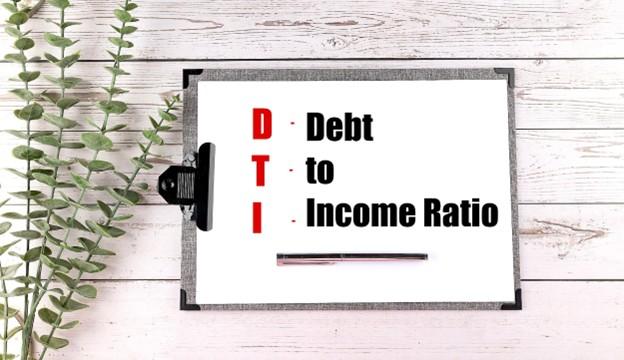
ಡೆಟ್-ಟು-ಇನ್ಕಮ್ (DTI) ಅನುಪಾತ ಎಂದರೇನು?

ಸಾಲದಿಂದ-ಆದಾಯದ ಅನುಪಾತವು ನಿಮ್ಮ ಅಸ್ತಿತ್ವದಲ್ಲಿರುವ ಸಾಲದ ಮರುಪಾವತಿಗೆ ನಿಮ್ಮ ಮಾಸಿಕ ಆದಾಯದ ಎಷ್ಟು ಹೋಗುತ್ತದೆ ಎಂಬುದನ್ನು ತೋರಿಸುತ್ತದೆ. ಹೆಚ್ಚಿನ DTI ಅನುಪಾತ ಎಂದರೆ ಲೋನ್ EMI ಗಳನ್ನು ಪೂರೈಸಲು ನಿಮ್ಮ ಆದಾಯದ ಗಮನಾರ್ಹ ಭಾಗವನ್ನು ಈಗಾಗಲೇ ಬಳಸಲಾಗುತ್ತಿದೆ ಎಂದರ್ಥ. ಇದಕ್ಕೆ ತದ್ವಿರುದ್ಧವಾಗಿ, ಕಡಿಮೆ DTI ಅನುಪಾತವು ಸಾಲವನ್ನು ನಿರ್ವಹಿಸಲು ಮತ್ತು ಲೋನ್‌ಗಳನ್ನು ಮರುಪಾವತಿಸಲು ನೀವು ಬಲವಾದ ಸಾಮರ್ಥ್ಯವನ್ನು ಹೊಂದಿದ್ದೀರಿ ಎಂಬುದನ್ನು ಸೂಚಿಸುತ್ತದೆ.

ಬೇರೆ ರೀತಿಯಲ್ಲಿ ಹೇಳುವುದಾದರೆ, ನಿಮ್ಮ DTI ಅನುಪಾತವು ನಿಮ್ಮ ಒಟ್ಟು ಮಾಸಿಕ ಸಾಲದ ಪಾವತಿಗಳನ್ನು ನಿಮ್ಮ ಒಟ್ಟು ಮಾಸಿಕ ಆದಾಯದೊಂದಿಗೆ ಹೋಲಿಕೆ ಮಾಡುತ್ತದೆ. ಒಟ್ಟು ಆದಾಯ ಎಂದರೆ ತೆರಿಗೆಗಳು ಮತ್ತು ಕಡಿತಗಳಿಗೆ ಮೊದಲು ನಿಮ್ಮ ಗಳಿಕೆಗಳು. ಡೆಟ್ ಪಾವತಿಗಳು ಪರ್ಸನಲ್ ಲೋನ್‌ಗಳು, ಹೋಮ್ ಲೋನ್‌ಗಳು, ಕಾರ್ ಲೋನ್‌ಗಳು ಅಥವಾ ಕ್ರೆಡಿಟ್ ಕಾರ್ಡ್ ಬಾಕಿಗಳನ್ನು ಒಳಗೊಂಡಿರಬಹುದು. ಅದಕ್ಕಾಗಿಯೇ ಈ ಅನುಪಾತವನ್ನು ಕೆಲವೊಮ್ಮೆ EMI-ರಿಂದ-ಆದಾಯದ ಅನುಪಾತ ಎಂದು ಕರೆಯಲಾಗುತ್ತದೆ.

DTI ಅನುಪಾತವನ್ನು ಲೆಕ್ಕ ಹಾಕಲು ಮೂಲಭೂತ ಫಾರ್ಮುಲಾ ಇಲ್ಲಿದೆ:

DTI ಅನುಪಾತ = (ಒಟ್ಟು ಮಾಸಿಕ ಲೋನ್ ಪಾವತಿಗಳು/ಒಟ್ಟು ಮಾಸಿಕ ಆದಾಯ) x 100

Why does the debt-to-income ratio matter for personal loans?

Your debt-to-income ratio plays a crucial role in determining your personal loan eligibility. Lenders often use this ratio to assess your repayment capacity and financial stability. It helps them understand what portion of your monthly income is going towards existing debts and financial obligations, and whether you can comfortably handle another EMI. If the ratio is too high, the lender may refrain from approving your personal loan application.

Basically, analyzing borrowers’ debt-to-income ratio for personal loan applications helps the lender with risk assessment. A lower ratio usually suggests lower risk, while a higher ratio may increase the chances of loan rejection or stricter loan terms.

How does the DTI ratio impact your personal loan approval?

We have already discussed how the debt-to-income ratio for personal loan applications can influence a lender’s decision to approve or reject a loan. However, its role does not end there. This ratio can also affect the loan amount, repayment tenure, and interest rate offered to the borrower.

If your DTI ratio is lower, lenders may feel more confident about your repayment capacity. In such cases, they may offer you a higher loan amount or a flexible repayment tenure. You can also secure a lower interest rate. On the other hand, if the ratio is high, the lender may reduce the loan amount or offer a shorter tenure.

ಇದನ್ನೂ ಓದಿ – FOIR ಎಂದರೇನು? ಪರ್ಸನಲ್ ಲೋನ್ ಮೇಲಿನ ಎಫ್ಒಐಆರ್ ಲೆಕ್ಕಾಚಾರ

How to calculate your debt-to-income ratio?

ಮೇಲೆ ನಮೂದಿಸಿದ ಸರಳ ಫಾರ್ಮುಲಾ ಬಳಸಿಕೊಂಡು ನೀವು ನಿಮ್ಮ DTI ಅನುಪಾತವನ್ನು ಲೆಕ್ಕ ಹಾಕಬಹುದು. ಅದಕ್ಕಾಗಿ ಹಂತಗಳು ಇಲ್ಲಿವೆ:

1. ನಿಮ್ಮ ಒಟ್ಟು ಮಾಸಿಕ ಆದಾಯವನ್ನು ಮೌಲ್ಯಮಾಪನ ಮಾಡಿ. ತೆರಿಗೆಗಳು ಮತ್ತು ಕಡಿತಗಳ ಮೊದಲು ಇದು ನಿಮ್ಮ ಒಟ್ಟು ಮಾಸಿಕ ಆದಾಯವಾಗಿದೆ. ಸಂಬಳ, ಫ್ರೀಲ್ಯಾನ್ಸ್ ಕೆಲಸ, ಬಾಡಿಗೆ ಮತ್ತು ಹೂಡಿಕೆಗಳಿಂದ ಅಲ್ಪಾವಧಿಯ ಲಾಭಗಳನ್ನು ಒಳಗೊಂಡಂತೆ ಎಲ್ಲಾ ಮೂಲಗಳಿಂದ ಆದಾಯವನ್ನು ಪರಿಗಣಿಸುವುದನ್ನು ಖಚಿತಪಡಿಸಿಕೊಳ್ಳಿ.

2. ನಿಮ್ಮ ಮಾಸಿಕ ಡೆಟ್ ಪಾವತಿಗಳನ್ನು ಸೇರಿಸಿ. ಎಲ್ಲಾ ಲೋನ್ EMI ಗಳು, ಕ್ರೆಡಿಟ್ ಕಾರ್ಡ್ ಪಾವತಿಗಳು ಮತ್ತು ಇತರ ನಿಯಮಿತ ಲೋನ್ ಜವಾಬ್ದಾರಿಗಳನ್ನು ಒಳಗೊಂಡಿದೆ.

3. Divide your total monthly debt payments by your gross monthly income.

4. Multiply the result obtained in step 3 by 100 to calculate your debt-to-income ratio percentage.

DTI calculation example by numbers

Let’s consider a practical example to understand how to calculate the DTI ratio. Suppose your monthly salary is Rs. 60,000 and you earn Rs. 20,000 from rent and other sources. It means that your gross monthly income is Rs. 80,000 (60,000 + 20,000).

If you are paying Rs. 15,000 as your home loan EMI and Rs. 5,000 as your car loan EMI, your total monthly debt payments amount to Rs. 20,000 (15,000 + 5,000).

Using the formula, your DTI ratio is [(20,000 / 80,000) x 100], i.e., 25%.

ಇದನ್ನೂ ಓದಿ – ಭಾರತದಲ್ಲಿ ಪರ್ಸನಲ್ ಲೋನ್ ಮಿತಿಗಳು: ನೀವು ಪಡೆಯಬಹುದಾದ ಗರಿಷ್ಠ ಎಷ್ಟು?

What is the ideal debt-to-income ratio for a personal loan?

Lenders usually prefer borrowers with a lower debt-to-income ratio for personal loan applications. In most cases, the ideal EMI-to-income ratio is considered to be around 20% to 40%. A DTI ratio of less than 20% reflects an excellent financial position, whereas a DTI ratio above 40% reflects high debt levels. Such borrowers may find it difficult to get personal loan approval.

However, the exact limit can vary depending on the lender, your credit score, income stability, and overall financial profile.

Eligibility criteria linked to the debt-to-income ratio

Your debt-to-income ratio is one of the most crucial factors that determine your personal loan eligibility. However, this ratio is not the only factor lenders consider in their decision-making process. They also evaluate other aspects such as your income stability, employment type, and credit score before approving a loan.

ಹೆಚ್ಚಿನ ಸಂದರ್ಭಗಳಲ್ಲಿ, ಅಂತಿಮ ನಿರ್ಧಾರವು ಈ ಅಂಶಗಳ ಸಂಯೋಜನೆಯನ್ನು ಆಧರಿಸಿದೆ. ಉದಾಹರಣೆಗೆ, ಸಾಲಗಾರರು ಅತ್ಯುತ್ತಮ ಕ್ರೆಡಿಟ್ ಸ್ಕೋರ್ ಮತ್ತು ಸ್ಥಿರ ಆದಾಯವನ್ನು ಹೊಂದಿದ್ದರೆ, DTI ಅನುಪಾತವು ಸ್ವಲ್ಪ ಹೆಚ್ಚಾಗಿದ್ದರೂ ಸಾಲದಾತರು ಲೋನ್ ಅಪ್ಲಿಕೇಶನ್ ಅನ್ನು ಅನುಮೋದಿಸಬಹುದು.

ನಿಮ್ಮ ಸಾಲದಿಂದ-ಆದಾಯದ ಅನುಪಾತಗಳನ್ನು ಸುಧಾರಿಸಲು ಪ್ರಾಯೋಗಿಕ ಮಾರ್ಗಗಳು

ಕೆಲವು ಸರಳ ಸಲಹೆಗಳನ್ನು ಅನುಸರಿಸುವ ಮೂಲಕ ನೀವು ನಿಮ್ಮ DTI ಅನುಪಾತವನ್ನು ಸುಧಾರಿಸಬಹುದು. ನಿಮ್ಮ ಒಟ್ಟು ಮಾಸಿಕ ಸಾಲದ ಪಾವತಿಗಳನ್ನು ಕಡಿಮೆ ಮಾಡಲು ಸಣ್ಣ ಸಾಲಗಳು ಅಥವಾ ಕ್ರೆಡಿಟ್ ಕಾರ್ಡ್ ಬಾಕಿಗಳನ್ನು ಮರುಪಾವತಿಸುವುದು ಅಂತಹ ಒಂದು ಹಂತವಾಗಿದೆ. ಬೋನಸ್‌ಗಳು, ಸೈಡ್ ವರ್ಕ್ ಅಥವಾ ಹೆಚ್ಚುವರಿ ಆದಾಯ ಮೂಲಗಳ ಮೂಲಕ ನಿಮ್ಮ ಒಟ್ಟು ಮಾಸಿಕ ಆದಾಯವನ್ನು ಹೆಚ್ಚಿಸಲು ನೀವು ಪ್ರಯತ್ನಿಸಬಹುದು.

ಹೊಸ ಕ್ರೆಡಿಟ್ ಅನ್ನು ಆಗಾಗ್ಗೆ ತೆಗೆದುಕೊಳ್ಳುವುದನ್ನು ತಪ್ಪಿಸುವುದು ಇನ್ನೊಂದು ಉಪಯುಕ್ತ ಹಂತವಾಗಿದೆ. ಇದು ನಿಮ್ಮ ಒಟ್ಟಾರೆ ಸಾಲದ ಸ್ಥಿತಿಯನ್ನು ನಿರ್ವಹಿಸಲು ನಿಮಗೆ ಸಹಾಯ ಮಾಡುತ್ತದೆ. ನಿಮ್ಮ ಮಾಸಿಕ EMI ಹೊರೆಯನ್ನು ಕಡಿಮೆ ಮಾಡಲು ನೀವು ಹೆಚ್ಚಿನ ಬಡ್ಡಿಯ ಲೋನ್‌ಗಳನ್ನು ಮರುಹಣಕಾಸು ಮಾಡುವುದನ್ನು ಕೂಡ ಪರಿಗಣಿಸಬಹುದು.

ಕಾರು, ಟಿವಿ ಅಥವಾ ಪೀಠೋಪಕರಣಗಳಂತಹ ದೊಡ್ಡ-ಟಿಕೆಟ್ ಖರೀದಿಯನ್ನು ತಪ್ಪಿಸುವುದು ಅಥವಾ ಮುಂದೂಡುವುದು, ನಿಮ್ಮ DTI ಅನುಪಾತವನ್ನು ಸುಧಾರಿಸಲು ಪರೋಕ್ಷವಾಗಿ ನಿಮಗೆ ಸಹಾಯ ಮಾಡಬಹುದು. ಏಕೆಂದರೆ ನೀವು ಕಡಿಮೆ ಕ್ರೆಡಿಟ್ ಅನ್ನು ಬಳಸುತ್ತೀರಿ, ಮತ್ತು ನಿಮ್ಮ ಒಟ್ಟಾರೆ ಮಾಸಿಕ ಹಣಕಾಸಿನ ಜವಾಬ್ದಾರಿಗಳು ನಿರ್ವಹಿಸಬಹುದಾದ ಮಟ್ಟಗಳಲ್ಲಿ ಉಳಿಯುತ್ತವೆ.

ನಿಮ್ಮ DTI ಅನುಪಾತವನ್ನು ಹೆಚ್ಚಿಸುವ ಸಾಮಾನ್ಯ ತಪ್ಪುಗಳು

ನಿಮ್ಮ DTI ಅನುಪಾತವನ್ನು ತಿಳಿಯದೆ ಹೆಚ್ಚಿಸಬಹುದಾದ ಕೆಲವು ಸಾಮಾನ್ಯ ತಪ್ಪುಗಳು ಇಲ್ಲಿವೆ:

  • ಅನೇಕ ಅಲ್ಪಾವಧಿಯ ಲೋನ್‌ಗಳನ್ನು ತೆಗೆದುಕೊಳ್ಳುವುದು: ಅನೇಕ ಸಣ್ಣ-ಟಿಕೆಟ್ ಲೋನ್‌ಗಳು ನಿಮ್ಮ ಒಟ್ಟಾರೆ ಸಾಲದ ಜವಾಬ್ದಾರಿಗಳನ್ನು ಹೆಚ್ಚಿಸಬಹುದು. ಇದು ನಿಮ್ಮ ಸ್ಥಿರ ಬಾಧ್ಯತೆಯನ್ನು ಆದಾಯದ ಅನುಪಾತಕ್ಕೆ ಹೆಚ್ಚಿಸಬಹುದು.
  • ಹೆಚ್ಚುವರಿ ಕ್ರೆಡಿಟ್ ಕಾರ್ಡ್ ಬಳಕೆ: ಹೆಚ್ಚಿನ ಕ್ರೆಡಿಟ್ ಕಾರ್ಡ್ ಬಳಕೆಯು ನಿಮ್ಮ ಸಾಲದ ಜವಾಬ್ದಾರಿಗಳು ಮತ್ತು ನಿಮ್ಮ ಕ್ರೆಡಿಟ್ ಬಳಕೆಯ ಅನುಪಾತವನ್ನು ಹೆಚ್ಚಿಸಬಹುದು. ಹೀಗಾಗಿ, ಇದು ನಿಮ್ಮ DTI ಅನುಪಾತ ಮತ್ತು ಕ್ರೆಡಿಟ್ ಸ್ಕೋರ್ ಎರಡರ ಮೇಲೆ ಪರಿಣಾಮ ಬೀರುತ್ತದೆ.
  • ಗುಪ್ತ ಹೊಣೆಗಾರಿಕೆಗಳನ್ನು ನಿರ್ಲಕ್ಷಿಸುವುದು: ಸಣ್ಣ ಕ್ರೆಡಿಟ್ ಕಾರ್ಡ್ ಬಿಲ್‌ಗಳು, BNPL (ಈಗಲೇ ಖರೀದಿಸಿ ನಂತರ ಪಾವತಿಸಿ) ಖರೀದಿಗಳು ಮುಂತಾದ ಸಣ್ಣ ಹೊಣೆಗಾರಿಕೆಗಳನ್ನು ಸಾಮಾನ್ಯವಾಗಿ ಕಡೆಗಣಿಸಲಾಗುತ್ತದೆ. ಆದರೆ ಅವುಗಳು ನಿಮ್ಮ DTI ಅನುಪಾತವನ್ನು ಕೂಡ ಹೆಚ್ಚಿಸಬಹುದು.
  • ಬಳಸದ ಲೋನ್ ಅಕೌಂಟ್‌ಗಳನ್ನು ಮುಚ್ಚದಿರುವುದು: ನಿಷ್ಕ್ರಿಯ ಕ್ರೆಡಿಟ್ ಅಕೌಂಟ್‌ಗಳು ಕೂಡ ನಿಮ್ಮ ಒಟ್ಟಾರೆ ಹಣಕಾಸಿನ ಪ್ರೊಫೈಲ್ ಮತ್ತು DTI ಅನುಪಾತದ ಮೇಲೆ ಪರಿಣಾಮ ಬೀರಬಹುದು.

ಇದನ್ನೂ ಓದಿ – 550: CIBIL ಸ್ಕೋರ್‌ಗಾಗಿ ಪರ್ಸನಲ್ ಲೋನ್ ಅನುಮೋದನೆ ಪಡೆಯುವುದು ಹೇಗೆ

DTI ಮತ್ತು ಪರ್ಸನಲ್ ಲೋನ್‌ಗಳ ಬಗ್ಗೆ ನೆನಪಿಡಬೇಕಾದ ಪ್ರಮುಖ ಅಂಶಗಳು

ವಿವರಿಸಿದಂತೆ, ಪರ್ಸನಲ್ ಲೋನಿಗೆ ನಿಮ್ಮ ಅರ್ಹತೆಯನ್ನು ನಿರ್ಧರಿಸುವಲ್ಲಿ ನಿಮ್ಮ ಸಾಲದಿಂದ-ಆದಾಯದ ಅನುಪಾತವು ಪ್ರಮುಖ ಪಾತ್ರವನ್ನು ವಹಿಸುತ್ತದೆ. ಗಮನದಲ್ಲಿಟ್ಟುಕೊಳ್ಳಬೇಕಾದ ಕೆಲವು ಅಂಶಗಳು ಇಲ್ಲಿವೆ:

  • ಕಡಿಮೆ DTI ಅನುಪಾತವು ಉತ್ತಮ ಮರುಪಾವತಿ ಸಾಮರ್ಥ್ಯವನ್ನು ಸೂಚಿಸುತ್ತದೆ ಮತ್ತು ಇದಕ್ಕೆ ತದ್ವಿರುದ್ಧವಾಗಿರುತ್ತದೆ.
  • ಪರ್ಸನಲ್ ಲೋನ್‌ಗಳಿಗೆ ಸೂಕ್ತ ಸಾಲದಿಂದ-ಆದಾಯದ ಅನುಪಾತವು ಸುಮಾರು 20% ರಿಂದ 40% ಆಗಿದೆ. It means the maximum EMI percentage of salary should hover around 40%.
  • Lenders also consider your credit score, income stability, and employment type while determining personal loan eligibility.
  • If your DTI ratio is above the acceptable level, it’s better to first improve it before applying for a new loan.

Maintaining a healthy DTI ratio can make it easier to qualify for a loan and manage repayments comfortably.

ಲೋನ್‌ಗಳ ಬಗ್ಗೆ ಇನ್ನಷ್ಟು

ಸಾಮಾನ್ಯ ಪ್ರಶ್ನೆಗಳು

ಡೆಟ್-ಟು-ಇನ್ಕಮ್ (DTI) ಅನುಪಾತ ಎಂದರೇನು?

The debt-to-income ratio shows how much of your monthly income goes toward paying existing debts. It compares your total monthly EMI payments with your gross monthly income. Lenders use this ratio to check whether you can comfortably handle another loan.

ಪರ್ಸನಲ್ ಲೋನಿಗೆ ಸಾಲದಾತರು DTI ಅನುಪಾತವನ್ನು ಹೇಗೆ ಲೆಕ್ಕ ಹಾಕುತ್ತಾರೆ?

Lenders calculate the DTI ratio for a personal loan by comparing your total monthly debt payments with your gross monthly income. They add all EMIs, credit card dues, and other obligations. This total is divided by your monthly income and then multiplied by 100 to get the percentage.

ಪರ್ಸನಲ್ ಲೋನ್ ಅನುಮೋದನೆಗೆ ಸೂಕ್ತ DTI ಅನುಪಾತ ಎಷ್ಟು?

ಪರ್ಸನಲ್ ಲೋನ್ ಅನುಮೋದನೆಗಾಗಿ ಸೂಕ್ತ DTI ಅನುಪಾತವು ಸಾಮಾನ್ಯವಾಗಿ 40% ಕ್ಕಿಂತ ಕಡಿಮೆ ಇರುತ್ತದೆ. ಇದರರ್ಥ ನಿಮ್ಮ ಒಟ್ಟು EMI ಗಳು ನಿಮ್ಮ ಮಾಸಿಕ ಆದಾಯದ 40% ಮೀರಬಾರದು. ಕಡಿಮೆ ಅನುಪಾತವು ಹೊಸ ಲೋನನ್ನು ಆರಾಮದಾಯಕವಾಗಿ ನಿರ್ವಹಿಸಲು ನೀವು ಸಾಕಷ್ಟು ಆದಾಯವನ್ನು ಹೊಂದಿದ್ದೀರಿ ಎಂದು ಸಾಲದಾತರಿಗೆ ತೋರಿಸುತ್ತದೆ.

ಹೆಚ್ಚಿನ DTI ಅನುಪಾತವು ಪರ್ಸನಲ್ ಲೋನ್ ತಿರಸ್ಕಾರಕ್ಕೆ ಕಾರಣವಾಗುತ್ತದೆಯೇ?

ಹೆಚ್ಚಿನ DTI ಅನುಪಾತ, ಅಂದರೆ, 40% ಕ್ಕಿಂತ ಹೆಚ್ಚು, ಸಾಮಾನ್ಯವಾಗಿ ಪರ್ಸನಲ್ ಲೋನ್ ಅಪ್ಲಿಕೇಶನ್ ತಿರಸ್ಕರಿಸಲು ಕಾರಣವಾಗುತ್ತದೆ. ಆದಾಗ್ಯೂ, ನಿರ್ಧಾರವನ್ನು ತೆಗೆದುಕೊಳ್ಳುವಾಗ ಸಾಲದಾತರು ನಿಮ್ಮ ಆದಾಯದ ಸ್ಥಿರತೆ, ಕ್ರೆಡಿಟ್ ಸ್ಕೋರ್ ಮತ್ತು ಉದ್ಯೋಗದ ಪ್ರಕಾರವನ್ನು ಕೂಡ ನೋಡುತ್ತಾರೆ. ಹೆಚ್ಚಿನ ಸಂದರ್ಭಗಳಲ್ಲಿ, ಅಂತಿಮ ಅನುಮೋದನೆ ಅಥವಾ ತಿರಸ್ಕಾರವು ಈ ಅಂಶಗಳ ಸಂಯೋಜನೆಯನ್ನು ಆಧರಿಸಿದೆ.

ನನ್ನ ಡೆಟ್-ಟು-ಇನ್ಕಮ್ ಅನುಪಾತವನ್ನು ನಾನು ತ್ವರಿತವಾಗಿ ಹೇಗೆ ಸುಧಾರಿಸಬಹುದು?

You can improve your debt-to-income ratio by reducing your existing debts. Try to repay small loans or clear credit card dues to lower your monthly EMIs. Avoid taking new loans for some time. Increasing your income can also help improve the ratio.

DTI ಅನುಪಾತವು ಕ್ರೆಡಿಟ್ ಸ್ಕೋರ್‌ನಂತೆಯೇ ಇದೆಯೇ?

Although they both reflect your repayment capacity, your DTI score and your credit score are not the same. The DTI ratio shows how much of your monthly income goes toward paying existing debts. A credit score reflects your repayment history and credit behavior. Lenders usually check both before approving a personal loan.

DTI ಅನುಪಾತವು ಪರ್ಸನಲ್ ಲೋನ್ ಬಡ್ಡಿ ದರದ ಮೇಲೆ ಪರಿಣಾಮ ಬೀರುತ್ತದೆಯೇ?

ಹೌದು, DTI ಅನುಪಾತವು ಪರಿಣಾಮ ಬೀರಬಹುದು ಪರ್ಸನಲ್ ಲೋನ್ ಬಡ್ಡಿ ದರ ಕೆಲವು ಸಂದರ್ಭಗಳಲ್ಲಿ. ನಿಮ್ಮ ಅನುಪಾತವು ಕಡಿಮೆಯಾಗಿದ್ದರೆ, ಸಾಲದಾತರು ನಿಮ್ಮನ್ನು ಕಡಿಮೆ ಅಪಾಯದ ಸಾಲಗಾರರಾಗಿ ನೋಡಬಹುದು ಮತ್ತು ಉತ್ತಮ ನಿಯಮಗಳನ್ನು ಒದಗಿಸಬಹುದು. ಅನುಪಾತವು ಹೆಚ್ಚಾಗಿದ್ದರೆ, ಸಾಲದಾತರು ಹೆಚ್ಚಿನ ಬಡ್ಡಿ ದರವನ್ನು ವಿಧಿಸಬಹುದು ಅಥವಾ ಲೋನ್ ಮೊತ್ತವನ್ನು ಕಡಿಮೆ ಮಾಡಬಹುದು.