ಟಾಟಾ ಕ್ಯಾಪಿಟಲ್ ಆ್ಯಪ್ ಮೂಲಕ ಲೋನ್‌ಗೆ ಅಪ್ಲೈ ಮಾಡಿ ಮತ್ತು ನಿಮ್ಮ ಅಕೌಂಟ್ ನಿರ್ವಹಿಸಿ.ಈಗಲೇ ಡೌನ್ಲೋಡ್ ಮಾಡಿ

ಬ್ಲಾಗ್‌ಗಳು

ಬೆಂಬಲ

ಆಫರ್‌ಗಳು ಕ್ವಿಕ್‌ಪೇ

ಟಾಟಾ ಕ್ಯಾಪಿಟಲ್ > ಬ್ಲಾಗ್ > ವೆಲ್ತ್ ಸೇವೆಗಳು > ಬಂಡವಾಳ ಮಾರುಕಟ್ಟೆ ಸಾಧನಗಳು: ಭಾರತದಲ್ಲಿ ವಿಧಗಳು, ಸಾಧನಗಳು ಮತ್ತು ಹಣಕಾಸಿನ ಸಾಧನಗಳು

ಸಂಪತ್ತು ಸೇವೆಗಳು

ಬಂಡವಾಳ ಮಾರುಕಟ್ಟೆ ಸಾಧನಗಳು: ಭಾರತದಲ್ಲಿ ವಿಧಗಳು, ಸಾಧನಗಳು ಮತ್ತು ಹಣಕಾಸಿನ ಸಾಧನಗಳು

Capital market instruments: Types, tools & financial instruments in India

ಭಾರತೀಯ ಬಂಡವಾಳ ಮಾರುಕಟ್ಟೆಯು ವಿಶ್ವದ ಅತ್ಯಂತ ವೇಗವಾಗಿ ಬೆಳೆಯುತ್ತಿರುವ ಮಾರುಕಟ್ಟೆಗಳಲ್ಲಿ ಒಂದಾಗಿದೆ. ಇದು ಸ್ಟಾಕ್‌ಗಳು, ಬಾಂಡ್‌ಗಳು ಮತ್ತು ಡಿರೈವೇಟಿವ್‌ಗಳಂತಹ ಸೆಕ್ಯೂರಿಟಿಗಳನ್ನು ಟ್ರೇಡ್ ಮಾಡುವ ದೇಶದಲ್ಲಿ ವಿವಿಧ ಹಣಕಾಸು, ಆರ್ಥಿಕ ಮಾರುಕಟ್ಟೆಗಳು ಮತ್ತು ಎಕ್ಸ್‌ಚೇಂಜ್‌ಗಳನ್ನು ಸೂಚಿಸುತ್ತದೆ. ಇಲ್ಲಿ, ಬಂಡವಾಳ ಮಾರುಕಟ್ಟೆಗಳ ರಚನೆ ಮತ್ತು ಇಲ್ಲಿ ಟ್ರೇಡ್ ಮಾಡಲಾದ ಸಾಧನಗಳನ್ನು ನಾವು ಅರ್ಥಮಾಡಿಕೊಳ್ಳುತ್ತೇವೆ.

ಮೇಲ್ನೋಟ: ಭಾರತದಲ್ಲಿ ಹಣಕಾಸಿನ ಸಾಧನಗಳನ್ನು ಅರ್ಥಮಾಡಿಕೊಳ್ಳುವುದು

ಭಾರತದಲ್ಲಿ, ಹಣಕಾಸಿನ ಸಾಧನಗಳು ಅಥವಾ ಬಂಡವಾಳ ಮಾರುಕಟ್ಟೆ ಸಾಧನಗಳು, ವ್ಯಕ್ತಿಗಳಿಗೆ ಹಣವನ್ನು ಉಳಿಸಲು, ಹೂಡಿಕೆ ಮಾಡಲು, ಸಾಲ ಪಡೆಯಲು ಮತ್ತು ನಿರ್ವಹಿಸಲು ಸಹಾಯ ಮಾಡುತ್ತವೆ. ಅವರು ವೈಯಕ್ತಿಕ ಹಣಕಾಸು ಮತ್ತು ಆರ್ಥಿಕ ಬೆಳವಣಿಗೆಯಲ್ಲಿ ಅಗತ್ಯ ಪಾತ್ರವನ್ನು ವಹಿಸುತ್ತಾರೆ. ಸೇವಿಂಗ್ಸ್ ಅಕೌಂಟ್‌ಗಳು ಮತ್ತು ಫಿಕ್ಸೆಡ್ ಡೆಪಾಸಿಟ್‌ಗಳು ಹಣಕಾಸಿನ ಸಾಧನಗಳ ವಿಧಗಳಾಗಿವೆ. ಷೇರುಗಳು, ಬಾಂಡ್‌ಗಳು, ಮ್ಯೂಚುಯಲ್ ಫಂಡ್‌ಗಳು ಮತ್ತು ಇನ್ಶೂರೆನ್ಸ್ ಪ್ಲಾನ್‌ಗಳಂತಹ ಮಾರುಕಟ್ಟೆ-ಆಧಾರಿತ ಪ್ರಾಡಕ್ಟ್‌ಗಳನ್ನು ಇತರ ಕೆಲವು ಉದಾಹರಣೆಗಳು ಒಳಗೊಂಡಿವೆ. ಪ್ರತಿ ಸಾಧನದ ಉದ್ದೇಶ ಭಿನ್ನವಾಗಿದೆ. ಕೆಲವರು ಆದಾಯವನ್ನು ಗಳಿಸುವ ಮತ್ತು ಅಪಾಯದಿಂದ ರಕ್ಷಿಸುವ ಗುರಿಯನ್ನು ಹೊಂದಿದ್ದಾರೆ, ಆದರೆ ಇತರರು ಭವಿಷ್ಯದ ಗುರಿಗಳನ್ನು ಪೂರೈಸುವ ಮೇಲೆ ಗಮನಹರಿಸುತ್ತಾರೆ.

ಭಾರತದಲ್ಲಿ ವಿವಿಧ ರೀತಿಯ ಹಣಕಾಸಿನ ಸಾಧನಗಳನ್ನು ಮತ್ತು ಅವುಗಳು ಹೇಗೆ ಕೆಲಸ ಮಾಡುತ್ತವೆ ಎಂಬುದನ್ನು ನೀವು ಅರ್ಥಮಾಡಿಕೊಂಡರೆ, ನಿಮ್ಮ ಹಣದೊಂದಿಗೆ ನೀವು ಉತ್ತಮ ನಿರ್ಧಾರಗಳನ್ನು ತೆಗೆದುಕೊಳ್ಳಬಹುದು. ನೀವು ಉನ್ನತ ಶಿಕ್ಷಣ, ಮನೆ ಮಾಲೀಕತ್ವ, ನಿವೃತ್ತಿ ಮತ್ತು ತುರ್ತುಸ್ಥಿತಿಗಳಿಗಾಗಿ ಕೂಡ ಆತ್ಮವಿಶ್ವಾಸದಿಂದ ಪ್ಲಾನ್ ಮಾಡಬಹುದು.

ಬಂಡವಾಳ ಮಾರುಕಟ್ಟೆಯ ಸಾಧನಗಳ ಮೂಲಭೂತ ಅಂಶಗಳನ್ನು ಕಲಿಯುವುದು ನಿಮ್ಮ ಹಣಕಾಸನ್ನು ಬುದ್ಧಿವಂತಿಕೆಯಿಂದ ಮತ್ತು ಜವಾಬ್ದಾರಿಯುತವಾಗಿ ನಿರ್ವಹಿಸುವ ಮೊದಲ ಹಂತವಾಗಿದೆ. ಈ ಜ್ಞಾನವು ಶಿಸ್ತನ್ನು ಪ್ರೋತ್ಸಾಹಿಸುತ್ತದೆ ಮತ್ತು ದೀರ್ಘಾವಧಿಯ ಸ್ಥಿರತೆಯನ್ನು ಬೆಂಬಲಿಸುತ್ತದೆ.

ಭಾರತದಲ್ಲಿ ಬಂಡವಾಳ ಮಾರುಕಟ್ಟೆ ಎಂದರೇನು?

ಕ್ಯಾಪಿಟಲ್ ಮಾರುಕಟ್ಟೆಗಳು ಸ್ಟಾಕ್‌ಗಳು ಮತ್ತು ಬಾಂಡ್‌ಗಳಂತಹ ಸೆಕ್ಯೂರಿಟಿಗಳನ್ನು ಖರೀದಿಸುವ ಮತ್ತು ಮಾರಾಟ ಮಾಡುವ ಹಣಕಾಸಿನ ಮಾರುಕಟ್ಟೆಗಳನ್ನು ಸೂಚಿಸುತ್ತವೆ. ಈ ಮಾರುಕಟ್ಟೆಗಳು ಸೆಕ್ಯೂರಿಟಿಗಳನ್ನು ನೀಡುವ ಮೂಲಕ ಮತ್ತು ಹೂಡಿಕೆದಾರರಿಗೆ ಈ ಸೆಕ್ಯೂರಿಟಿಗಳನ್ನು ಖರೀದಿಸಲು ಮತ್ತು ಮಾರಾಟ ಮಾಡಲು ಬಂಡವಾಳವನ್ನು ಸಂಗ್ರಹಿಸಲು ಕಂಪನಿಗಳು, ಸರ್ಕಾರಗಳು ಮತ್ತು ಇತರ ಘಟಕಗಳಿಗೆ ಮಾರ್ಗಗಳನ್ನು ಒದಗಿಸುತ್ತವೆ. ಎರಡು ಪ್ರಮುಖ ರೀತಿಯ ಬಂಡವಾಳ ಮಾರುಕಟ್ಟೆಗಳು ಪ್ರಾಥಮಿಕ ಮಾರುಕಟ್ಟೆಯಾಗಿವೆ, ಅಲ್ಲಿ ಹೊಸ ಸೆಕ್ಯೂರಿಟಿಗಳನ್ನು ನೀಡಲಾಗುತ್ತದೆ ಮತ್ತು ಅಸ್ತಿತ್ವದಲ್ಲಿರುವ ಸೆಕ್ಯೂರಿಟಿಗಳನ್ನು ಟ್ರೇಡ್ ಮಾಡಲಾಗುವ ಸೆಕೆಂಡರಿ ಮಾರುಕಟ್ಟೆ. ಹೆಚ್ಚಿನ ಪ್ರಸಿದ್ಧ ಬಂಡವಾಳ ಮಾರುಕಟ್ಟೆಯು ಸ್ಟಾಕ್ ಮಾರುಕಟ್ಟೆಯಾಗಿದೆ, ಆದರೆ ಬಾಂಡ್ ಮಾರುಕಟ್ಟೆಗಳು, ಕಮಾಡಿಟಿ ಮಾರುಕಟ್ಟೆಗಳು ಮತ್ತು ಬಂಡವಾಳ ಮಾರುಕಟ್ಟೆಗಳನ್ನು ರೂಪಿಸುವ ಇತರ ಹಣಕಾಸು ಮಾರುಕಟ್ಟೆಗಳು ಕೂಡ ಇವೆ.

ಬಂಡವಾಳ ಮಾರುಕಟ್ಟೆಯ ಪ್ರಮುಖ ಕಾರ್ಯಗಳು

ಬಂಡವಾಳ ಮಾರುಕಟ್ಟೆಗಳು ಹೂಡಿಕೆದಾರರಿಂದ ಕಂಪನಿಗಳು ಮತ್ತು ಸರ್ಕಾರಗಳಿಗೆ ಹಣದ ಅಗತ್ಯವಿರುವ ಬಂಡವಾಳದ ಹರಿವನ್ನು ಸುಗಮಗೊಳಿಸುತ್ತವೆ. ಅವುಗಳು ಸ್ಟಾಕ್ ಮಾರುಕಟ್ಟೆ ಮತ್ತು ಬಾಂಡ್ ಮಾರುಕಟ್ಟೆಯನ್ನು ಒಳಗೊಂಡಿವೆ ಮತ್ತು ಕಂಪನಿಗಳಿಗೆ ಸ್ಟಾಕ್‌ಗಳು ಮತ್ತು ಬಾಂಡ್‌ಗಳನ್ನು ನೀಡುವ ಮೂಲಕ ಹಣವನ್ನು ಸಂಗ್ರಹಿಸಲು ಮತ್ತು ಹೂಡಿಕೆದಾರರಿಗೆ ಆ ಸೆಕ್ಯೂರಿಟಿಗಳನ್ನು ಖರೀದಿಸಲು ಮತ್ತು ಮಾರಾಟ ಮಾಡಲು ಕಾರ್ಯವಿಧಾನವನ್ನು ಒದಗಿಸುತ್ತವೆ. ಹೂಡಿಕೆದಾರರಿಗೆ ತಮ್ಮ ಪೋರ್ಟ್‌ಫೋಲಿಯೋಗಳನ್ನು ವೈವಿಧ್ಯಮಯಗೊಳಿಸಲು ಮತ್ತು ಸೆಕ್ಯೂರಿಟಿಗಳನ್ನು ಖರೀದಿಸಲು ಮತ್ತು ಮಾರಾಟ ಮಾಡಲು ಲಿಕ್ವಿಡಿಟಿಯನ್ನು ಒದಗಿಸುವ ಮೂಲಕ ಅಪಾಯವನ್ನು ವರ್ಗಾಯಿಸಲು ಅವರು ಸಹಾಯ ಮಾಡುತ್ತಾರೆ. ಹೆಚ್ಚುವರಿಯಾಗಿ, ಉತ್ತಮ ಬೆಳವಣಿಗೆಯ ನಿರೀಕ್ಷೆಗಳೊಂದಿಗೆ ಕಂಪನಿಗಳು ಮತ್ತು ಯೋಜನೆಗಳಿಗೆ ಹಣವನ್ನು ನಿರ್ದೇಶಿಸುವ ಮೂಲಕ ಸಂಪನ್ಮೂಲಗಳನ್ನು ಸಮರ್ಥವಾಗಿ ಹಂಚಿಕೆ ಮಾಡಲು ಬಂಡವಾಳ ಮಾರುಕಟ್ಟೆಗಳು ಸಹಾಯ ಮಾಡುತ್ತವೆ.

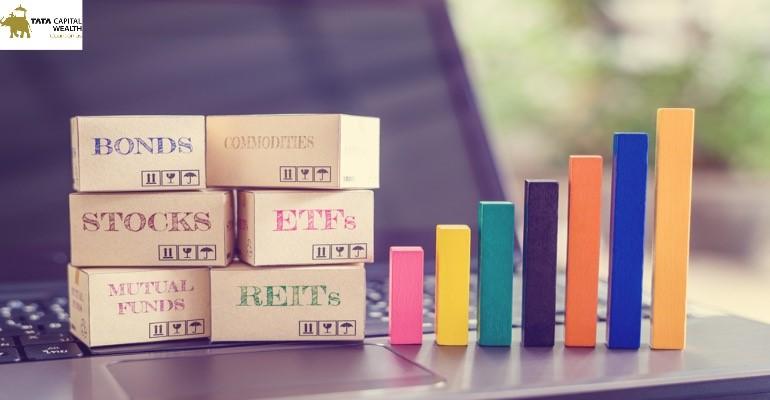
ಭಾರತೀಯ ಬಂಡವಾಳ ಮಾರುಕಟ್ಟೆಯಲ್ಲಿ ಹಣಕಾಸಿನ ಸಾಧನಗಳ ವಿಧಗಳು

  1. ಇಕ್ವಿಟಿಗಳು

ಇಕ್ವಿಟಿ ಎಂಬುದು ಬಿಸಿನೆಸ್‌ಗಳು ಹಣವನ್ನು ಸಂಗ್ರಹಿಸಲು ನೀಡುವ ಬಂಡವಾಳ ಮಾರುಕಟ್ಟೆ ಸಾಧನವಾಗಿದೆ. ಇದು ಈಕ್ವಿಟಿ ಷೇರಿನ ಹೆಸರಿನಿಂದಲೂ ಹೋಗುತ್ತದೆ. ಅದರ ಷೇರುಗಳನ್ನು ಖರೀದಿಸುವ ಮೂಲಕ ನೀವು ಸಂಸ್ಥೆಯಲ್ಲಿ ಮಾಲೀಕತ್ವ ಮತ್ತು ಮತದಾನದ ಹಕ್ಕುಗಳನ್ನು ಪಡೆಯಬಹುದು. ನೀವು ಸೆಕೆಂಡರಿ ಮಾರುಕಟ್ಟೆಯಲ್ಲಿ ಷೇರುಗಳನ್ನು ಮಾರಾಟ ಮಾಡುವವರೆಗೆ ಅಥವಾ ಬಿಸಿನೆಸ್ ಲಿಕ್ವಿಡೇಟ್ ಆಗುವವರೆಗೆ, ನೀವು ಕಂಪನಿಯ ಒಂದು ಭಾಗವನ್ನು ಉಳಿಸಿಕೊಳ್ಳುತ್ತೀರಿ. ಹೆಚ್ಚುವರಿಯಾಗಿ, ನೀವು ಕಂಪನಿಯ ಲಾಭಗಳು ಮತ್ತು ನಷ್ಟಗಳಲ್ಲಿ ಪಾಲನ್ನು ಪಡೆಯುತ್ತೀರಿ ಮತ್ತು ಗಳಿಕೆಗಳಿಗೆ ಡಿವಿಡೆಂಡ್‌ಗಳನ್ನು ನೀಡಲಾಗುತ್ತದೆ. ಹೂಡಿಕೆದಾರರ ಆದಾಯದ ಮೇಲೆ ಪರಿಣಾಮ ಬೀರುವ ಕಂಪನಿಯ ಕಾರ್ಯಕ್ಷಮತೆ, ಷೇರು ಮೌಲ್ಯವು ಎಷ್ಟು ಹೆಚ್ಚಾಗುತ್ತದೆ ಎಂಬುದನ್ನು ನಿರ್ಧರಿಸುತ್ತದೆ.

ಇಕ್ವಿಟಿ ಐತಿಹಾಸಿಕವಾಗಿ ಇತರ ಬಂಡವಾಳ ಮಾರುಕಟ್ಟೆ ಆಸ್ತಿಗಳಿಗಿಂತ ದೊಡ್ಡ ಆದಾಯವನ್ನು ನೀಡಿದೆ, ಆದರೂ ಇದು ಹೆಚ್ಚಿನ ಅಪಾಯದ ಹೂಡಿಕೆಯಾಗಿದೆ.

  1. ಆದ್ಯತೆಯ ಷೇರುಗಳು

ಈ ಷೇರುಗಳು ಇಕ್ವಿಟಿ ಷೇರುಗಳ (ಹೋಲ್ಡರ್‌ಗಳು) ಮೇಲೆ ಆದ್ಯತೆಯನ್ನು ಹೊಂದಿವೆ. ಲಾಭಾಂಶಗಳು ಅಥವಾ ಲಿಕ್ವಿಡೇಶನ್ ಆದಾಯವನ್ನು ಪಾವತಿಸಿದಾಗ ಅವರು ಮೊದಲ ಪರಿಗಣನೆಯನ್ನು ಪಡೆಯುತ್ತಾರೆ. ಈ ನಿಯಮದ ಪ್ರಕಾರ, ಆದ್ಯತೆಯ ಷೇರುದಾರರು ಇಕ್ವಿಟಿ ಷೇರುದಾರರ ಮೊದಲು ಲಾಭಾಂಶ ಅಥವಾ ಇತರ ಪಾವತಿಗಳನ್ನು ಪಡೆಯಬೇಕು. ಆದಾಗ್ಯೂ, ಆದ್ಯತೆಯ ಷೇರುದಾರರು ಸಂಸ್ಥೆಯೊಳಗೆ ಮತದಾನದ ಸವಲತ್ತುಗಳನ್ನು ಹೊಂದಿಲ್ಲ. ಇಕ್ವಿಟಿ ಷೇರುಗಳಂತೆ, ಆದ್ಯತೆಯ ಷೇರುಗಳನ್ನು ಸಾಮಾನ್ಯವಾಗಿ ಸೆಕೆಂಡರಿ ಮಾರುಕಟ್ಟೆಯಲ್ಲಿ ಟ್ರೇಡ್ ಮಾಡಲಾಗುವುದಿಲ್ಲ. The various types of preference shares are:

Redeemable: The issuing company has the option to subsequently choose to repurchase or redeem the preference shares.

Irredeemable: The redemption happens only upon liquidation of the company.

Convertible: Preference shares may be converted to equity shares at a later date.

  1. ಮ್ಯೂಚುಯಲ್ ಫಂಡ್‌ಗಳು

Mutual funds remain the most popular means to invest in capital markets. While mutual funds are not directly traded in the markets on a real-time basis, the funds invest directly into instruments that are traded on capital markets. There are various types of mutual funds with varied risk/return profiles.

Here are the most basic types of mutual funds:

Equity mutual funds: Invests at least 65% in equity stocks traded in the stock market.

Debt mutual fund: Invests in debt instruments including bonds, T-bills, commercial paper etc.,

Balanced mutual funds: These funds invest in both equity and debt mutual funds. These are ideal for someone with a moderate risk profile and safe, modest returns.

  1. Debt instruments

To finance capital-intensive projects, both governments and businesses issue debt instruments. Debt is a kind of borrowing with no ownership rights in the organization that is issued on primary or secondary markets. The term of the debt instruments is typically short, after which the issuing corporation is required to refund the principal.

Monthly, quarterly, semi-annually, or yearly, interest payments are made. Municipal, governmental, and corporate bonds and debentures are examples of debt instruments. Debt investments are less risky than equity investments. However, the default risk might be greater if the issuing company’s financial situation is poor. Therefore, you must invest in debt instruments after examining the issuing company’s credit rating and financial situation.

  1. ಡೆರಿವೇಟಿವ್‌ಗಳು

Capital market tools known as derivatives derive their value from an underlying asset. Bonds, equities, metals, commodities, money, and so on are all examples of underlying assets. These instruments are traded mostly for speculative purposes, although they may also be used for arbitrage and hedging. Derivatives are, therefore, ideal for seasoned investors in the financial market as they are seen as being more volatile and risky than stocks. Futures and options contracts are traded in secondary markets in India.

  1. ಎಕ್ಸ್‌ಚೇಂಜ್-ಟ್ರೇಡೆಡ್ ಫಂಡ್‌ಗಳು (ಇಟಿಎಫ್‌ಗಳು)

Using ETFs, a lot of individuals may pool their money to invest in bonds, stocks, or gold on the capital market. Most ETFs are registered with the Securities and Exchange Board of India (SEBI) and have characteristics of both shares and mutual funds. ETFs are similar to mutual funds and are beneficial to investors who wish to invest in an index, a basket of equities, or a commodity.

Key features & structure of Indian capital market instruments

The Indian capital market helps companies raise long-term funds and gives investors a place to grow wealth. It includes instruments traded in primary and secondary markets, such as shares, bonds, and debentures. Their structure depends on risk, return, maturity period, and ownership rights.

The following points list the key features and structure of the Indian capital market instruments:

  • Equity instruments provide investors with ownership in a company. They offer dividends and capital growth over time.
  • Debt instruments like bonds provide a fixed income. They have a defined maturity and repayment structure.
  • Primary market instruments are issued first to raise funds directly from investors.
  • Secondary market instruments are traded between investors.
  • The rules for the capital market are set by SEBI. It aims to protect investors.
  • The risk and return levels vary, helping investors choose instruments based on goals and comfort.

Risks & returns: Evaluating capital market instruments

When you evaluate the balance between the risk and return associated with capital market instruments, you can choose instruments that match your goals, time horizon, and comfort level. To achieve higher returns, you must be willing to take higher risks. Thus, careful evaluation is essential.

  • Equity instruments can give high returns, but prices may change often due to market movements.
  • Debt instruments offer stable returns, but usually provide lower growth compared to shares.
  • Market risk, interest rate risk, and inflation risk affect returns differently.
  • Diversification reduces risk by spreading investments across different instruments and sectors.
  • Time horizon and personal goals play an important role in deciding suitable risk levels for investors today.

How to choose the right financial instrument for your portfolio?

Choosing the right financial instrument for your portfolio depends on your goals, income, and risk comfort. You must first decide why you are investing, such as for short-term needs, long-term growth, or safety. Then, understand how much risk you can handle. Equity instruments suit investors seeking higher long-term growth. Debt instruments offer stable and predictable returns. Diversifying across different instruments helps to reduce risk.

You must also consider your investment time period and liquidity needs. Remember to review your portfolio regularly. If required, adjust your investments to reflect changes in your goals or financial situation to stay on track

Difference between primary and secondary capital market instruments

Primary and secondary capital market instruments differ mainly in how and where they are traded. In the primary market, companies or governments issue instruments for the first time to raise fresh funds. You can buy these instruments directly from the issuer through public issues, rights issues, or private placements.

In the secondary market, the same instruments are bought and sold among investors on stock exchanges. No new funds go to the issuing company. The secondary market provides liquidity, price discovery, and flexibility, helping investors easily enter or exit their investments when needed.

ತೀರ್ಮಾನ

The above instruments are the most prominent ones traded on the capital market. It is important to understand the nuances of these instruments before investing in them. For assistance, you can always reach out to the Tata Capital Wealth team for more information.

ಸಾಮಾನ್ಯ ಪ್ರಶ್ನೆಗಳು

ಭಾರತದಲ್ಲಿ ಬಂಡವಾಳ ಮಾರುಕಟ್ಟೆ ಸಾಧನಗಳ ಪ್ರಮುಖ ವಿಧಗಳು ಯಾವುವು?

ಭಾರತದಲ್ಲಿ ಪ್ರಮುಖ ರೀತಿಯ ಹಣಕಾಸು ಸಾಧನಗಳು ಇಕ್ವಿಟಿ ಷೇರುಗಳು, ಆದ್ಯತೆಯ ಷೇರುಗಳು, ಬಾಂಡ್‌ಗಳು, ಡಿಬೆಂಚರ್‌ಗಳು, ಮ್ಯೂಚುಯಲ್ ಫಂಡ್‌ಗಳು ಮತ್ತು ಡಿರೈವೇಟಿವ್‌ಗಳಾಗಿವೆ. ಅವುಗಳು ಕಂಪನಿಗಳಿಗೆ ದೀರ್ಘಾವಧಿಯ ಫಂಡ್‌ಗಳನ್ನು ಸಂಗ್ರಹಿಸಲು ಮತ್ತು ಹೂಡಿಕೆದಾರರಿಗೆ ವಿವಿಧ ರಿಸ್ಕ್ ಮತ್ತು ಆದಾಯವನ್ನು ನೀಡಲು ಸಹಾಯ ಮಾಡುತ್ತವೆ ಆಯ್ಕೆಗಳು.

ಪ್ರಾಥಮಿಕ ಮತ್ತು ದ್ವಿತೀಯ ಬಂಡವಾಳ ಮಾರುಕಟ್ಟೆ ಸಾಧನಗಳ ನಡುವಿನ ವ್ಯತ್ಯಾಸವೇನು?

ಹೂಡಿಕೆದಾರರಿಂದ ಹೊಸ ಹಣವನ್ನು ಸಂಗ್ರಹಿಸಲು ಮೊದಲ ಬಾರಿಗೆ ಕಂಪನಿಗಳು ಪ್ರಾಥಮಿಕ ಮಾರುಕಟ್ಟೆ ಸಾಧನಗಳನ್ನು ನೀಡುತ್ತವೆ. ಸೆಕೆಂಡರಿ ಮಾರುಕಟ್ಟೆ ಸಾಧನಗಳನ್ನು ಈಗಾಗಲೇ ಸ್ಟಾಕ್ ಎಕ್ಸ್‌ಚೇಂಜ್‌ಗಳಲ್ಲಿ ಹೂಡಿಕೆದಾರರ ನಡುವೆ ಟ್ರೇಡ್ ಮಾಡಲಾದ ಸೆಕ್ಯೂರಿಟಿಗಳನ್ನು ನೀಡಲಾಗುತ್ತದೆ.

ಭಾರತದಲ್ಲಿ ಯಾವ ಬಂಡವಾಳ ಮಾರುಕಟ್ಟೆ ಸಾಧನವು ಕಡಿಮೆ ಅಪಾಯವನ್ನು ಹೊಂದಿದೆ?

ಸರ್ಕಾರಿ ಬಾಂಡ್‌ಗಳು ಮತ್ತು ಟ್ರೆಜರಿ ಬಿಲ್‌ಗಳಂತಹ ಡೆಟ್ ಸಾಧನಗಳು ಭಾರತದಲ್ಲಿ ಕಡಿಮೆ ಅಪಾಯವನ್ನು ಹೊಂದಿವೆ. ಸರ್ಕಾರವು ಅವುಗಳನ್ನು ಬೆಂಬಲಿಸುತ್ತದೆ ಮತ್ತು ಸ್ಥಿರ ಆದಾಯವನ್ನು ನೀಡುತ್ತದೆ. ಪರಿಣಾಮವಾಗಿ, ಅವುಗಳು ಇಕ್ವಿಟಿ ಅಥವಾ ಡಿರೈವೇಟಿವ್ ಸಾಧನಗಳಿಗಿಂತ ಸುರಕ್ಷಿತವಾಗಿವೆ.

ಭಾರತೀಯ ಮಾರುಕಟ್ಟೆಗಳಲ್ಲಿ ಹೊಸ ಹೂಡಿಕೆದಾರರಿಗೆ ಡಿರೈವೇಟಿವ್‌ಗಳು ಸುರಕ್ಷಿತವಾಗಿವೆಯೇ?

ಸಾಮಾನ್ಯವಾಗಿ, ಡಿರೈವೇಟಿವ್‌ಗಳನ್ನು ಹೊಸ ಹೂಡಿಕೆದಾರರಿಗೆ ಅಪಾಯಕಾರಿಯಾಗಿ ಪರಿಗಣಿಸಲಾಗುತ್ತದೆ ಏಕೆಂದರೆ ಅವುಗಳು ಬೆಲೆ ಏರಿಳಿತಗಳು ಮತ್ತು ಹತೋಟಿಗಳನ್ನು ಒಳಗೊಂಡಿರುತ್ತವೆ. ನಿಮಗೆ ಸರಿಯಾದ ಜ್ಞಾನ ಮತ್ತು ಅನುಭವವಿಲ್ಲದಿದ್ದರೆ ನೀವು ಡಿರೈವೇಟಿವ್‌ಗಳಲ್ಲಿ ನಷ್ಟಗಳನ್ನು ಎದುರಿಸಬಹುದು.

ಹಣಕಾಸು ಸಾಧನಗಳನ್ನು ನಿಯಂತ್ರಿಸುವಲ್ಲಿ ಸೆಬಿ ಪಾತ್ರ ಏನು?

ಮಾರುಕಟ್ಟೆಗಳಿಗೆ ನಿಯಮಗಳನ್ನು ಸ್ಥಾಪಿಸುವ ಮೂಲಕ, ಹೂಡಿಕೆದಾರರನ್ನು ರಕ್ಷಿಸುವ ಮೂಲಕ, ಪಾರದರ್ಶಕತೆಯನ್ನು ಖಚಿತಪಡಿಸುವ ಮೂಲಕ ಮತ್ತು ಅನ್ಯಾಯದ ಅಭ್ಯಾಸಗಳನ್ನು ತಡೆಯುವ ಮೂಲಕ SEBI ಭಾರತದಲ್ಲಿ ಹಣಕಾಸಿನ ಸಾಧನಗಳನ್ನು ನಿಯಂತ್ರಿಸುತ್ತದೆ. ಹೂಡಿಕೆದಾರರು ಬಂಡವಾಳ ಮಾರುಕಟ್ಟೆ ವ್ಯವಸ್ಥೆಯನ್ನು ನಂಬಬಹುದು ಎಂಬುದನ್ನು ಇದು ಖಚಿತಪಡಿಸುತ್ತದೆ.

ಭಾರತೀಯ ಬಂಡವಾಳ ಮಾರುಕಟ್ಟೆ ಸಾಧನಗಳೊಂದಿಗೆ ನನ್ನ ಪೋರ್ಟ್‌ಫೋಲಿಯೋವನ್ನು ನಾನು ಹೇಗೆ ವೈವಿಧ್ಯಗೊಳಿಸಬಹುದು?

ವಿವಿಧ ವಲಯಗಳಲ್ಲಿ ಇಕ್ವಿಟಿ, ಡೆಟ್ ಮತ್ತು ಮ್ಯೂಚುಯಲ್ ಫಂಡ್‌ಗಳ ಮಿಶ್ರಣದಲ್ಲಿ ಹೂಡಿಕೆ ಮಾಡುವ ಮೂಲಕ ನೀವು ನಿಮ್ಮ ಪೋರ್ಟ್‌ಫೋಲಿಯೋವನ್ನು ವೈವಿಧ್ಯಗೊಳಿಸಬಹುದು. ಕಾರ್ಯತಂತ್ರವು ರಿಸ್ಕ್ ಮತ್ತು ಬ್ಯಾಲೆನ್ಸ್ ಆದಾಯವನ್ನು ಕಡಿಮೆ ಮಾಡಲು ಸಹಾಯ ಮಾಡುತ್ತದೆ. ಇದಲ್ಲದೆ, ವೈವಿಧ್ಯಮಯ ಪೋರ್ಟ್‌ಫೋಲಿಯೋ ಮಾರುಕಟ್ಟೆಯ ಏರಿಳಿತಗಳು ನಿಮ್ಮ ಆದಾಯದ ಮೇಲೆ ಗಮನಾರ್ಹವಾಗಿ ಪರಿಣಾಮ ಬೀರಲು ಬಿಡುವುದಿಲ್ಲ.

ಹೆಚ್ಚು ನೋಡಲಾದ ಬ್ಲಾಗ್‌ಗಳು