લોન માટે અરજી કરવા અને તમારા એકાઉન્ટને મેનેજ કરવા માટે ટાટા કેપિટલ એપ.હમણાં જ ડાઉનલોડ કરો

બ્લૉગ્સ

સપોર્ટ

ઑફર ક્વિક પે

ટાટા કેપિટલ > બ્લૉગ > પર્સનલ યૂઝ લોન > લોન રાઇટ-ઑફ અને લોન માફી વચ્ચેનો તફાવત

પર્સનલ યૂઝ લોન

લોન રાઇટ-ઑફ અને લોન માફી વચ્ચેનો તફાવત

Difference Between Loan Write-Off And Loan Waive-Off

When dealing with debt management, individuals often face complex concepts and confusing terms, such as loan write off vs waive off. When an individual is unable to repay their loan, lenders label it a “Non-Performing Asset” or bad loan. Lenders can deal with NPAs in one of two ways, they can either be written off or waived off. 

While these terms may sound similar, they often refer to two distinct processes with different outcomes for lenders and borrowers. Put briefly, with a loan write-off, the lender believes the loan cannot be recovered and removes it from their books, marking it as a loss. With loan waive-offs, the lender forgives the loan, and the borrower is not required to repay it. 

In this article, we take an in-depth look at the difference between write-offs and waive-offs in loans.

લોન રાઇટ-ઑફ વિરુદ્ધ લોન માફી

Now that you know what they are, it’s time to understand the difference between the loan write-offs and waive-offs.

Differentiating Parameterલોન રાઇટ-ઑફલોન માફી
પુન:ચુકવણીધિરાણકર્તા તેમની બેલેન્સ શીટને સમાન કરવા માટે લોન લખે છે. તેનો અર્થ એ નથી કે લોન કૅન્સલ કરવામાં આવી છે. લોન એકાઉન્ટ ઍક્ટિવ છે, અને ધિરાણકર્તાઓ પછીની તારીખે રિકવરી કરવાની આશા રાખે છે.અહીં, ધિરાણકર્તા લોનની રકમના તમામ ક્લેઇમને છોડી દે છે. આ લોનનું સંપૂર્ણ કૅન્સલેશન છે. આનો અર્થ એ છે કે કરજદાર તેમના કરજથી મુક્ત છે.
રિકવરીજ્યારે લોન બંધ કરવામાં આવે છે ત્યારે શું થાય છે તે એ છે કે ધિરાણકર્તાઓ કાનૂની એન્ટિટીની મદદથી રિકવરી કરી શકે છે. લોન બંધ ન હોવાથી તેઓ આ કરી શકે છે.એકવાર માફ કરવામાં આવે પછી ધિરાણકર્તાઓ લોનની રકમને અનુસરી શકતા નથી. તેઓ બાકી ભંડોળ એકત્રિત કરવા માટે કોઈપણ કાનૂની સંસ્થાઓ અથવા થર્ડ-પાર્ટી રિકવરી એજન્ટો પાસેથી સહાય મેળવી શકતા નથી. આ કિસ્સામાં, લોન બંધ થઈ ગઈ છે.
કોલેટરલધિરાણકર્તા પાસે ખરીદનાર દ્વારા ગીરવે મૂકવામાં આવેલ કોઈપણ કોલેટરલ જાળવવાનો કાનૂની અધિકાર છે. તેમને બાકી લોનની રકમ રિકવર કરવા માટે કોલેટરલની હરાજી કરવાની મંજૂરી છે.માફ કરેલ લોનનો અર્થ એ છે કે ધિરાણકર્તાએ લોન લેતી વખતે કરજદાર દ્વારા ગિરવે મૂકવામાં આવેલ કોઈપણ કોલેટરલ પરત કરવું આવશ્યક છે.
પાત્રતાનાણાંકીય સંસ્થાઓ તેમની બેલેન્સશીટને સાફ કરવા અને ટૅક્સ જવાબદારીઓને ઑપ્ટિમાઇઝ કરવા માટે લોન લખે છે. તેથી, તમામ કરજદારો તેના કવરેજ હેઠળ આવે છે.મુખ્યત્વે ખેડૂતોને કુદરતી આફતો દરમિયાન મદદ કરવા માટે લોન માફીની સુવિધા પ્રદાન કરવામાં આવે છે જેનો સામનો કરવો અશક્ય છે.
અનિવાર્યનાણાંકીય સંસ્થાઓ માટે તેમના પુસ્તકો અને લેજરને સંતુલિત અને તપાસમાં રાખવા માટે લોન લખવી ફરજિયાત છે.કરજદારો લોન માફ કરવા માટે વિનંતીઓ સબમિટ કરી શકતા નથી. આ સરકારના સપોર્ટ સાથે ધિરાણકર્તાના તરફથી સ્વૈચ્છિક પ્રવૃત્તિ છે.

Key Differences: Loan Write-Off vs Loan Waive-Off 

The key difference between loan write-off and waive off is that write-offs keep the borrower liable, whereas waive-offs release them from the debt.

In addition to the loan write-off vs loan waive-off comparison given in the table above, another practical way to distinguish a loan write-off from a loan waive-off is to look at each through the lens of intent and outcome. 

  • A write-off is fundamentally an accounting treatment: The loan is classified as a Non-Performing Asset and is derecognised from the books, improving portfolio clarity, while the borrower’s liability and the lender’s recovery rights remain intact.
  • A waive-off is a policy or relief decision: The lender gives up the legal right to collect the loan, the borrower’s obligation ends, and the loan ceases to exist.

લોન રાઇટ-ઑફ શું છે?

A loan write-off refers to any amount a lending institution “writes off,” even if the whole loan isn’t cleared. This helps lenders balance their books. 

For example, Mr. Mehta takes a loan of Rs. 10 lakhs for 3 years from Institution A. After 8 months of timely EMIs, he suddenly stops paying. Despite follow-ups and legal attempts, he doesn’t repay. Institution A then reduces the loan’s value, hoping he’ll repay at least part of it. This reduction in value is called a loan write-off.  

Benefits of a Loan Write-Off for Lenders

A loan write-off benefits the lender in the following ways-

  • Lenders can reduce their tax obligation on the total loan value after it is written off.
  • ધિરાણકર્તાઓ બિન-કાર્યક્ષમ સંપત્તિઓને દૂર કરી શકે છે અને સ્વચ્છ બૅલેન્સ શીટ જાળવી શકે છે.
  • ઘણા કિસ્સાઓમાં, કરજદારો તેમની સંપૂર્ણ ક્રેડિટ મર્યાદાનો ઉપયોગ કરતા નથી. તેઓ માત્ર જરૂરી રકમ લોન લે છે અને તેના પર વ્યાજ ચૂકવે છે. લોન રાઇટ-ઑફ પછી, ધિરાણકર્તાઓ શરૂઆતમાં કરજદાર માટે તેમના પોતાના બિઝનેસ કામગીરી અને વિસ્તરણ માટે બ્લૉક કરેલ ફંડનો ઉપયોગ કરી શકે છે.
  • A loan write-off does not mean borrowers don’t need to repay the loan. Lenders can continue pursuing the loan repayment, which, if received after the write-off, can be considered a profit in the year of repayment.

Also, read – What is Personal Loan?

લોન રાઇટ-ઑફના કારણો

લોન રાઇટ-ઑફના ઘણા કારણો છે, જેમ કે:

  • જો કોઈ વ્યક્તિ સમયસર ચુકવણી ન કરે
  • જો કરજદાર નાદારી જાહેર કરે છે
  • જો કરજદારનું મૃત્યુ થાય છે, અને તેમની સંપત્તિ દેવુંને કવર કરી શકતી નથી
  • જો પ્રદાન કરેલ કોલેટરલનું મૂલ્ય લોનની રકમથી નીચે ઘટે છે

Impact of a Loan Write-Off (on Lender and Borrower CIBIL)

A loan write-off can have significant impacts. Being written off means the loan can no longer be an asset, and the lending institution can reduce its NPAs on its records. A loan write-off can also lessen the lending institution’s tax liability.

લોન માફી શું છે?

To understand the difference between a write-off vs. a waive-off, it is first essential to understand what a waive-off is. A loan waive-off is when a lender forgives a part or the entirety of the borrower’s loan. For example, Mr Chaudhary borrowed a personal loan of Rs 5 lakhs for 2 years. However, he ultimately had to declare bankruptcy. His inability to repay the loan leads the lending institution to waive off his loan, meaning his debt is forgiven. However, this only happens in exceptional circumstances. 

Benefits of a Loan Waive-Off for Borrowers

લોન માફી ધિરાણકર્તા અને કરજદાર પર નોંધપાત્ર અસર કરી શકે છે. જ્યારે ધિરાણકર્તા નોંધપાત્ર નુકસાનનો સામનો કરે છે, ત્યારે તે કરજદારને ઘણી રીતે લાભ આપે છે. આમાં શામેલ છે:

  • ફાઇનાન્શિયલ રાહત: જ્યારે લોન માફ કરવામાં આવે છે, ત્યારે કરજદારે હવે તેમના દેવું ચૂકવવાની જરૂર નથી. આ તેમને ભારે ફાઇનાન્શિયલ રાહત પ્રદાન કરી શકે છે. તે કરજદારને જરૂરિયાતો પર તેમના ખર્ચ પર ધ્યાન કેન્દ્રિત કરવાની મંજૂરી આપે છે (ભલે તે હાઉસિંગ, મેડિકલ ખર્ચ અથવા અન્ય કારણો હોય).
  • ક્રેડિટ સ્કોર પર અસર: જ્યારે ધિરાણ આપતી સંસ્થા કરજદારની લોન માફ કરે છે, ત્યારે તે તેમના ક્રેડિટ સ્કોરને સકારાત્મક રીતે અસર કરી શકે છે, જે તેમની ભવિષ્યની ક્રેડિટ યોગ્યતામાં સુધારો કરી શકે છે. કૃષિ ક્ષેત્રના ખેડૂતો અને અન્ય વ્યક્તિઓને ઘણીવાર આ જોગવાઈ ઑફર કરવામાં આવે છે.

લોન માફીના કારણો

ધિરાણ સંસ્થા શા માટે લોન માફી ઑફર કરી શકે છે તેના ઘણા કારણો છે, જેમાં શામેલ છે:

  • નાણાંકીય મુશ્કેલીઓ
  • કુદરતી આપત્તિઓ
  • કોલેટરલના મૂલ્યમાં નુકસાન અથવા ઘટાડો
  • લોનની શરતોમાં ફેરફારો
  • સરકારી નીતિઓ

Impact of a Loan Waive-Off (on Borrower’s Credit & Liability)

લોન માફીની અસરોમાં શામેલ છે:

  • એકાઉન્ટ બંધ છે
  • ધિરાણકર્તાઓ લોનની રકમ પરત મેળવવા માટે કાનૂની પગલાં લઈ શકતા નથી
  • તે કર જવાબદારીઓને ઘટાડે છે
  • The borrower’s credit score improves 

How Loan Write-Off and Waive-Off Affect Your Credit Score

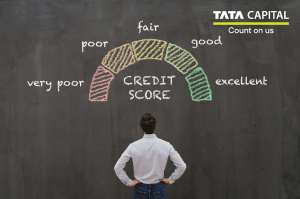
A credit score is a numerical indicator of one’s creditworthiness and financial discipline. It reflects your credit usage and how reliably you can repay the debt. Both loan write-off and loan waive-off can affect your credit score.

  • Loan write-off credit score impact: A loan write-off harms your credit score because it signals that the lender considers your loan doubtful for recovery. It can be harder for you to obtain loans in the future and if approved, it may have higher interest rates. 
  • Loan waive-off credit score impact: A loan waive-off, meaning relinquishing of the legal right to collect a loan, may affect credit negatively when it’s caused by financial difficulties. It may affect it positively if the borrower later rebuilds credit through consistent timely repayments on other active accounts

ટાટા કેપિટલ પર પર્સનલ લોન મેળવો

Are you looking for a personal loan? Consider Tata Capital – we offer numerous attractive features and benefits. 

આમાં શામેલ છે:

  • Multipurpose loans: You can apply for Tata Capital’s Personal Loan offerings for any occasion or reason. This includes travel, wedding expenses, higher education, home renovations, and more!
  • No security or collateral required: Tata Capital’s personal loan is unsecured, meaning borrowers are not required to pledge assets or provide securities. 
  • Hybrid loan term options: With the Personal Loan Hybrid Loan Term option, users can withdraw money up to a predetermined limit, and interest is only charged on the amount used. 
  • Zero pre-payment charges: You can partially prepay up to 25% of the loan at any point after 12 months without availing of any penalties or additional charges. 
  • Flexible tenure: We offer repayment tenures of up to 6 years, allowing borrowers control over their EMI options. 

નિષ્કર્ષ

Loan write-offs vs. waive-offs take place under different circumstances. While the former is a mandatory practice, the latter is at the discretion of the government and the lender. To avoid either of the situations, it is best to calculate the amount you can repay with the help of a personal loan calculator.

શું તમે પર્સનલ લોન શોધી રહ્યા છો? જો હા હોય, તો ટાટા કેપિટલ સાથે પાર્ટનર બનો. અમે વ્યાજબી વ્યાજ દરો, વિસ્તૃત પરત ચુકવણીની મુદત, ઝડપી પ્રોસેસિંગ અને ન્યૂનતમ ડૉક્યુમેન્ટેશન પર પર્સનલ લોન પ્રદાન કરીએ છીએ.

You can apply for a personal loan online and track its status on our web portal or on our personal loan app. To know more, visit our website or give us a call today!

લોન વિશે વધુ

વારંવાર પૂછાતા પ્રશ્નો

જો મારી લોન બંધ થઈ જાય તો શું થશે?

A loan write-off simply means the lender considers the loan a loss and accepts that it is unlikely to recover the loan. They write it off from the balance sheet to equalise it. However, it does not mean the loan is cancelled, and you are still obligated to repay it.

લોન રાઇટ-ઑફ મારા ક્રેડિટ સ્કોરને કેવી રીતે અસર કરે છે?

લોન રાઇટ-ઑફ તમારા ક્રેડિટ સ્કોરને નકારાત્મક રીતે અસર કરે છે, જે બિન-ચુકવણીને સૂચવે છે, જે ભવિષ્યની લોન મંજૂરીઓને અસર કરી શકે છે.

લોન માફ કરવાના સામાન્ય કારણો શું છે?

લોન માફી સામાન્ય રીતે આર્થિક મુશ્કેલીઓ, કુદરતી આફતો અથવા સરકારી નીતિઓને કારણે આપવામાં આવે છે જેનો હેતુ કરજદારોના નાણાંકીય બોજને હળવા કરવાનો છે.

લોન રાઇટ-ઓફ અથવા માફીની કર અસરો શું છે?

લોન માફી અને રાઇટ-ઑફ ધિરાણકર્તાની ટૅક્સ જવાબદારીઓ ઘટાડે છે.

શું લોન એક જ સમયે લખી શકાય છે અને માફ કરી શકાય છે?

ના, લોન લેવામાં આવી શકતી નથી અને તે જ સમયે માફ કરી શકાતી નથી. લોન રાઇટ-ઑફ ધિરાણ સંસ્થાની બેલેન્સ શીટમાંથી લોન દૂર કરે છે. બીજી તરફ, લોન માફી એ છે કે જ્યારે ધિરાણકર્તા આંશિક અથવા સંપૂર્ણપણે લોન માફ કરવાનું નક્કી કરે છે, એટલે કે કરજદારનું દેવું ક્લિયર કરવામાં આવે છે.

શું કરજદાર લોન માફીની વિનંતી કરી શકે છે?

કરજદારો પાસે લોન માફીની વિનંતી કરવાનો વિકલ્પ છે. જો કે, મંજૂરી સામાન્ય રીતે માત્ર ચોક્કસ સંજોગોમાં જ આપવામાં આવે છે. આમાં ચોક્કસ ક્ષેત્રોને રાહત પ્રદાન કરવા માટેના નાણાંકીય સંઘર્ષો, કુદરતી આફતો અથવા સરકારી કાર્યક્રમોનો સમાવેશ થાય છે.

લોન રાઇટ-ઑફનો અર્થ શું છે?

Loan write-off meaning is an accounting action, when a lender removes a loan from his books upon realising that its recovery is doubtful. However, the borrower is still legally liable to repay it.

લોન માફી અને લોન માફી વચ્ચેનો મુખ્ય તફાવત શું છે?

Loan write-off meaning is when the lender removes the loan from its books but still retains the right to collect it from the borrower. A loan waive-off on the other hand fully cancels repayment, stops recovery, returns collateral, and usually applies under specific government-supported schemes.

ભારતમાં લોન રાઇટ-ઑફ મારા ક્રેડિટ સ્કોરને કેવી રીતે અસર કરે છે?

A loan write-off negatively impacts your credit score because it signals that the lender considers your loan doubtful for recovery. It can be harder for you to obtain loans in the future and if approved, it may have higher interest rates.

લોન માફીનો અર્થ શું છે?

Loan waive-off meaning is when the lender gives up the legal right to recover a loan. From the point of view of a borrower, they no longer need to pay the loan back.