લોન માટે અરજી કરવા અને તમારા એકાઉન્ટને મેનેજ કરવા માટે ટાટા કેપિટલ એપ.હમણાં જ ડાઉનલોડ કરો

બ્લૉગ્સ

સપોર્ટ

ઑફર ક્વિક પે

ટાટા કેપિટલ > બ્લૉગ > કૅશ રિઝર્વ રેશિયો (CRR): અર્થ, હેતુ અને અસર

પર્સનલ યૂઝ લોન

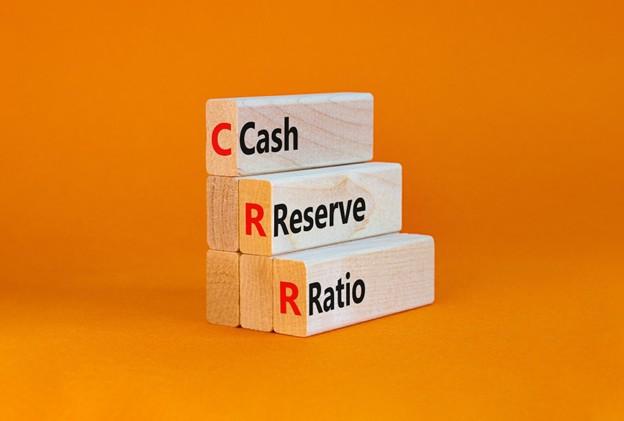
કૅશ રિઝર્વ રેશિયો (સીઆરઆર): અર્થ, હેતુ અને અસર

Cash Reserve Ratio (CRR): Meaning, purpose, and impact

રિઝર્વ બેન્ક ઓફ ઇન્ડિયા (RBI) નાણાકીય નીતિનો ઉપયોગ કરે છે જેમાં કોમર્શિયલ બેન્કોને તેમની કુલ થાપણોની ચોક્કસ ટકાવારી સેન્ટ્રલ બેન્કમાં રોકડ તરીકે અનામત રાખવાની જરૂર છે. આ પૉલિસી કેશ રિઝર્વ રેશિયો (CRR) તરીકે ઓળખાય છે. આ કૅશ અલગ રાખવામાં આવેલ હોવાથી, તેનો ઉપયોગ ધિરાણ અથવા રોકાણ માટે કરી શકાતો નથી. CRR નો હેતુ લિક્વિડિટી સુનિશ્ચિત કરવાનો અને ફુગાવાને નિયંત્રિત કરવાનો છે. CRR હેઠળ RBI પાસે જમા રકમ પર કોઈ વ્યાજ મળતું નથી. લેટેસ્ટ CRR દર 3 % છે.

રોકડ અનામત રેશિયો (CRR) એ બેંકની કુલ ડિપોઝિટની ચોક્કસ ટકાવારીને દર્શાવે છે જે કેન્દ્રીય બેંક અથવા ભારતીય રિઝર્વ બેંક (RBI) સાથે રોકડ તરીકે રાખવી આવશ્યક છે.

તમે હોમ લોન માટે ઓછા વ્યાજ દરોને પ્રોત્સાહન આપતી ADS જોઈ હોવી આવશ્યક છે. પરંતુ શું તમે જાણો છો કે આ દર શા માટે અચાનક બદલાય છે? ઘણા દેવાદારો પૂછે છે, "લોનના દરો શા માટે ઉપર અને નીચે જાય છે?" જવાબ ઘણીવાર રોકડ અનામત રેશિયો અથવા CRR તરીકે ઓળખાતા ખ્યાલ સાથે સંબંધિત છે. CRR નક્કી કરે છે કે બેંકોએ રિઝર્વ બેંક ઑફ ઇન્ડિયા (RBI) સાથે કેટલું નાણાં રાખવું જોઈએ અને તેઓ ધિરાણ માટે કેટલો ઉપયોગ કરી શકે છે. આ લેખમાં, તમે CRR નું સંપૂર્ણ સ્વરૂપ, તે કેવી રીતે કામ કરે છે અને તે રોજિંદા બેંકિંગ અને અર્થતંત્રમાં શા માટે મહત્વપૂર્ણ છે તે શીખશો.

કૅશ રિઝર્વ રેશિયો (CRR) શું છે?

કૅશ રિઝર્વ રેશિયો અથવા CRR, ભારતમાં એક મહત્વપૂર્ણ બેંકિંગ શબ્દ છે. આ કુલ ડિપોઝિટની રકમ છે જે બેંકોને રિઝર્વ બેંક ઑફ ઇન્ડિયા (RBI) અથવા સેન્ટ્રલ બેંક સાથે રોકડ તરીકે જાળવવાની જરૂર છે. આ પૈસાનો ઉપયોગ લોન અથવા રોકાણ ઑફર કરવા માટે કરી શકાતો નથી. CRR આરબીઆઇને બજારમાં ઉપલબ્ધ પૈસાની રકમને નિયંત્રિત કરવામાં મદદ કરે છે. જ્યારે RBI સીઆરઆરમાં વધારો કરે છે, ત્યારે બેંકો પાસે ધિરાણ આપવા માટે પૂરતા પૈસા નથી, જે ફુગાવાને નિયંત્રિત કરવામાં મદદ કરે છે. જ્યારે RBI CRR ઘટાડે છે, ત્યારે બેંકો વધુ ધિરાણ આપી શકે છે, જે અર્થતંત્રમાં વિકાસને ટેકો આપે છે. સરળ શબ્દોમાં કહીએ તો, CRR ફાઇનાન્શિયલ વ્યવસ્થામાં બૅલેન્સ જાળવવામાં મદદ કરે છે.

આ પણ વાંચો - ફિક્સ્ડ વર્સેસ ફ્લોટિંગ વ્યાજ દર

ભારતમાં લેટેસ્ટ CRR દર શું છે?

ભારતમાં લેટેસ્ટ CRR દર 3 % છે. આનો અર્થ એ છે કે બેંકોએ RBI પાસે તેમની કુલ ડિપોઝિટના 3% રોકડ તરીકે રાખવી જોઈએ. તેનો ઉપયોગ લોન અથવા રોકાણ માટે કરી શકાતો નથી. વ્યાજ પર પણ વળતર મળતું નથી. RBI એ 2026 માં રેટમાં ફેરફાર કર્યો નથી. છેલ્લું પરિવર્તન જૂન 2025 માં કરવામાં આવ્યું હતું, જ્યારે દર 4% થી 3% સુધી 100 બેસિસ પોઇન્ટ દ્વારા ઘટાડવામાં આવ્યો હતો. રેપો રેટને પણ 5.25% પર સ્થિર રાખવામાં આવ્યો હતો. રેપો દર અને CRR દર બંનેમાં કોઈ વધારો થતો નથી તે દર્શાવે છે કે RBI ફુગાવાને નિયંત્રિત કરવા માટે પ્રતિબદ્ધ છે. જ્યારે CRR સ્થિર રહે છે, ત્યારે બેંકો વધુ સારી રીતે ધિરાણ કરવાની યોજના બનાવી શકે છે. CRR માં ભવિષ્યમાં કોઈપણ ફેરફાર ફુગાવો, બજારની લિક્વિડિટી અને એકંદર આર્થિક સ્થિતિઓ પર આધારિત છે.

કૅશ રિઝર્વ રેશિયો કેવી રીતે કામ કરે છે?

કૅશ રિઝર્વ રેશિયો બેંકોને RBI સાથે તેમની કુલ ડિપોઝિટનો એક નિશ્ચિત ભાગ રોકડ તરીકે રાખવા માટે ફરજિયાત કરીને કામ કરે છે. બેંકો આ નાણાંનો ઉપયોગ લોન અથવા રોકાણ માટે કરી શકશે નહીં. ઉદાહરણ તરીકે, જો કોઈ બેંકમાં ડિપોઝિટમાં ₹100 કરોડ છે અને CRR 3% છે, તો તેણે RBI સાથે ₹3 કરોડ રાખવા આવશ્યક છે. બાકીના ₹97 કરોડનો ઉપયોગ માત્ર ધિરાણ અને અન્ય બેંકિંગ પ્રવૃત્તિઓ માટે કરી શકાય છે. CRR દ્વારા, RBI મની સપ્લાયને નિયંત્રિત કરી શકે છે અને લિક્વિડિટીને મેનેજ કરી શકે છે. તે બેંકિંગ સિસ્ટમ અને અર્થતંત્રમાં સ્થિરતા જાળવી શકે છે.

કૅશ રિઝર્વ રેશિયોના મુખ્ય ઉદ્દેશો શું છે?

બેંકિંગ સિસ્ટમમાં કૅશ રિઝર્વ રેશિયોના મહત્વપૂર્ણ ઉદ્દેશો છે. તેનો મુખ્ય હેતુ અર્થતંત્રમાં ઉપલબ્ધ પૈસાની રકમને નિયંત્રિત કરવાનો છે.

  • તે બેંકોને તેમની ડિપોઝિટનો એક ભાગ કૅશ રિઝર્વ તરીકે રાખવાની ખાતરી કરીને આરબીઆઇને લિક્વિડિટી મેનેજ કરવામાં મદદ કરે છે.
  • CRR also helps control inflation by reducing excess money supply when prices rise too fast.
  • It improves financial stability by making banks maintain safe reserves for emergencies.
  • Another objective of CRR is to support monetary policy decisions and balance economic growth.

Overall, CRR helps keep banking safe, stable, and under proper control by the RBI.

Also Read – How Interest Rates Affect Loans

Why is CRR important for the economy?

There are several factors that make the CRR vital for the economy:

  1. CRR helps to control the money supply by limiting how much banks can lend.
  2. It helps reduce inflation when prices rise too quickly by lowering excess cash flow.
  3. CRR improves financial stability by requiring banks to maintain safe cash reserves with the RBI.
  4. It supports RBI’s monetary policy and helps manage liquidity during economic changes.
  5. CRR builds trust in the banking system by ensuring banks stay financially strong.
  6. It helps balance economic growth by controlling lending, spending, and overall market stability in the country.

Also Read – CIBIL score vs. credit score

What are the benefits of the cash reserve ratio for financial stability?

Here’s a list of the benefits of the cash reserve ratio for financial stability:

  1. Liquidity control: CRR helps control liquidity by making banks keep a part of their total deposits safely with the RBI. This ensures the money supply stays balanced in the economy.
  2. Reduces financial risk: It lowers the risk of banks facing cash shortages during emergencies. Banks always have a reserve, which improves safety and stability.
  3. Supports safe lending: CRR prevents banks from giving too many loans at once. This reduces risky lending and keeps the banking system strong.
  4. Helps control inflation: When excess money is reduced through CRR, inflation can be controlled, and prices remain more stable.
  5. Builds trust in banks: People feel safer when banks remain financially secure, which increases trust in the banking system.
  6. Strengthens RBI policy: CRR helps the RBI manage monetary policy and maintain overall economic balance.

How does CRR help in controlling inflation?

CRR helps control inflation by reducing extra money in the market. When people and businesses borrow too much, spending increases and prices start rising quickly. To control this, the RBI increases the CRR rate. As a result, banks must keep more money with the RBI and have less money available for loans. This reduces borrowing and slows down spending. For example, if banks lend less for car loans or business expansion, demand becomes lower and prices rise more slowly. In this way, CRR helps maintain price stability and protects the economy from high inflation and sudden price increases.

Also Read – Personal loan limits in India

How is the cash reserve ratio calculated?

Cash reserve ratio is calculated as the percentage of a bank’s total Net Demand and Time Liabilities (NDTL) that must be kept with the RBI as cash. The CRR formula is:

CRR = (Cash Reserve / Total NDTL) × 100

For example, if a bank has total deposits of Rs. 500 crore and the CRR is 3%, it must keep Rs. 15 crore with the RBI. This money cannot be used for loans or investments. CRR calculation helps the RBI control liquidity, lending power, and financial stability in the banking system.

Why does CRR change over time?

There are several reasons why the RBI changes the CRR over time:

  1. Inflation control: When inflation rises and prices increase too fast, the RBI increases CRR. Banks then have less money to lend, which reduces spending and helps control inflation.
  2. Economic growth: During periods of slow economic growth, the RBI may reduce the CRR. This gives banks more money to lend, which supports business growth, jobs, and investments.
  3. Liquidity management: CRR changes when there is too much or too little money in the banking system. It helps RBI maintain the right balance of liquidity in the market.
  4. Financial stability: TheRBI adjusts CRR to keep banks financially strong and protect the economy during uncertain market conditions.

What is the concept behind the cash reserve ratio in monetary policy?

Cash Reserve Ratio (CRR’s full form in banking) is an important part of the RBI’s monetary policy. It helps the RBI control the amount of money available in the economy. As per the system, banks must keep a fixed percentage of their deposits as cash with the RBI and not use it for lending. This helps the RBI manage inflation, liquidity, and economic growth. When the RBI wants to reduce inflation, it increases CRR to reduce lending. When it wants to support growth, it lowers CRR so banks can lend more. In simple terms, CRR helps the RBI maintain balance and stability in the financial system.

What is the impact of CRR on the economy?

CRR affects the economy in the following ways:

  1. Controls liquidity: CRR helps control the amount of money available in the banking system. A higher CRR leaves less money for banks to use, while a lower CRR increases available funds.
  2. Affects bank lending: When CRR increases, banks have less money to lend. This reduces borrowing by people and businesses and slows spending in the economy.
  3. ફુગાવાને નિયંત્રિત કરવામાં મદદ કરે છે: ઓછું ધિરાણ બજારમાં વધારાની માંગને ઘટાડે છે, જે વધતી કિંમતો અને ફુગાવાને રોકવામાં મદદ કરે છે.
  4. આર્થિક સ્થિરતાને ટેકો આપે છે: CRR RBI ને એકંદર અર્થતંત્રમાં વૃદ્ધિ, ફુગાવો અને નાણાંકીય સ્થિરતા વચ્ચે બૅલેન્સ જાળવવામાં મદદ કરે છે.

CRR લોન કરજદારોને કેવી રીતે અસર કરે છે?

CRR લોન લેનારને આડકતરી રીતે બેંક લોન દ્વારા અસર કરે છે. જ્યારે RBI CRR વધારે છે, ત્યારે બેંકો પાસે વધુ રિઝર્વ હોવું આવશ્યક છે અને લોન માટે ઓછા પૈસા ઉપલબ્ધ હોવા જોઈએ. આ હોમ લોન, કાર લોન, અને બિઝનેસ લોન મેળવવા માટે મુશ્કેલ બનાવી શકે છે. મર્યાદિત ભંડોળનું સંચાલન કરવા માટે બેંકો પણ વ્યાજ દરો વધારી શકે છે. જ્યારે RBI CRR ઘટાડે છે, ત્યારે બેંકો પાસે લોન આપવા માટે વધુ પૈસા હોય છે, જે લોનની મંજૂરીને સરળ બનાવે છે અને વ્યાજ દરો ઘટાડે છે. સરળ શબ્દોમાં કહીએ તો, CRR માં ફેરફારો લોકો સરળતાથી નાણાં ઉછીના લઈ શકે છે અને તેઓ વ્યાજ તરીકે કેટલી ચૂકવણી કરે છે તેના પર અસર કરી શકે છે.

નિષ્કર્ષ

CRR એટલે કૅશ રિઝર્વ રેશિયો. આ અર્થતંત્રનું સંચાલન કરવા માટે RBI દ્વારા ઉપયોગમાં લેવામાં આવતું એક મહત્વપૂર્ણ સાધન છે. તે અર્થતંત્રમાં પૈસાના પુરવઠાને નિયંત્રિત કરવામાં મદદ કરે છે. પરિણામે, તે બેંક ધિરાણ, ફુગાવો અને ફાઇનાન્શિયલ સ્થિરતાને મેનેજ કરવામાં મદદ કરે છે. CRR બદલીને RBI દેશમાં ગ્રોથ અને પ્રાઇસ કંટ્રોલને સંતુલિત કરી શકે છે. ઉચ્ચ CRR ધિરાણને ઘટાડે છે, જ્યારે ઓછા CRR વધુ લોન અને બિઝનેસ પ્રવૃત્તિને સપોર્ટ કરે છે. CRR જરૂરી કૅશ રિઝર્વ જાળવીને બેંકોને આર્થિક રીતે સુરક્ષિત રાખે છે. જો તમે સીઆરઆરને સમજો છો, તો તમે સમજી શકો છો કે બેન્કિંગ નિર્ણયો લોન, વ્યાજ દરો અને એકંદર અર્થતંત્રને કેવી રીતે અસર કરે છે. તે ભારતની મજબૂત અને સ્થિર નાણાંકીય પ્રણાલીમાં મુખ્ય ભૂમિકા ભજવે છે.

લોન વિશે વધુ

વારંવાર પૂછાતા પ્રશ્નો

વર્તમાન CRR શું છે?

ભારતમાં વર્તમાન CRR 3 % છે. આનો અર્થ એ છે કે બેંકોએ તેમની કુલ ડિપોઝિટના 3% રોકડ અનામત તરીકે RBI પાસે રાખવી જોઈએ.

CRR બેંક લેન્ડિંગને કેવી રીતે અસર કરે છે?

જ્યારે CRR વધે છે, ત્યારે બેંકો RBI સાથે વધુ પૈસા રાખે છે અને ધિરાણ આપવા માટે ઓછા ફંડ ધરાવે છે. આ તેઓ ઑફર કરી શકે તેવી લોનની સંખ્યા ઘટાડે છે, જેના પરિણામે સખત પાત્રતા મળે છે. જ્યારે CRR ઘટે છે, ત્યારે ધિરાણ સરળ અને ઝડપી બને છે.

એસએલઆરથી CRR કેવી રીતે અલગ છે?

CRR એ RBI પાસે રહેલ કૅશ રિઝર્વ છે. બીજી તરફ, SLR એ સરકારી સિક્યોરિટીઝ જેવી લિક્વિડ એસેટમાં રાખવામાં આવતું પૈસા છે. CRR પર કોઈ વ્યાજની આવક નથી, પરંતુ SLR રિટર્ન કમાઈ શકે છે.

ફુગાવાને નિયંત્રિત કરવા માટે CRR શા માટે મહત્વપૂર્ણ છે?

ફુગાવાને નિયંત્રિત કરવા માટે CRR મહત્વપૂર્ણ છે કારણ કે ઉચ્ચ દર ધિરાણ માટે ઉપલબ્ધ પૈસા ઘટાડીને ખર્ચમાં ઘટાડો કરે છે. આ વધારાની માંગ અને કિંમતોમાં વધારો નિયંત્રિત કરવામાં મદદ કરે છે, જે અર્થતંત્રમાં ફુગાવાને ઘટાડે છે.

ભારતમાં CRR કોણ નક્કી કરે છે?

RBI ભારતમાં CRR નક્કી કરે છે. તે નાણાંકીય સ્થિરતા જાળવવા માટે ફુગાવા, લિક્વિડિટી અને એકંદર આર્થિક પરિસ્થિતિઓના આધારે દરમાં ફેરફાર કરે છે.

શું CRR હોમ લોનના વ્યાજ દરોને અસર કરી શકે છે?

હા, CRR હોમ લોનના વ્યાજ દરોને અસર કરી શકે છે. જ્યારે CRR વધુ હોય, ત્યારે તેનો અર્થ એ કે બેન્કો પાસે ધિરાણ આપવા માટે ઓછા પૈસા હોય છે, જે લોન દરો વધારી શકે છે. તેવી જ રીતે, ઓછું CRR દરો ઘટાડી શકે છે.

RBI સીઆરઆરને કેટલી વાર બદલાય છે?

RBI નિયમિતપણે CRR બદલતું નથી. તે ફુગાવો, લિક્વિડિટી અને આર્થિક પરિસ્થિતિઓના આધારે જરૂર પડે ત્યારે જ સીઆરઆરમાં ફેરફાર કરે છે. કેટલીકવાર, CRR મહિનાઓ માટે અપરિવર્તિત રહે છે.