લોન માટે અરજી કરવા અને તમારા એકાઉન્ટને મેનેજ કરવા માટે ટાટા કેપિટલ એપ.હમણાં જ ડાઉનલોડ કરો

બ્લૉગ્સ

સપોર્ટ

ઑફર ક્વિક પે

ટાટા કેપિટલ > બ્લૉગ > રોકાણ પર રિટર્ન (ROI) શું છે? અર્થ, ફોર્મ્યુલા અને વ્યવહારિક ઉદાહરણો

ઘર માટે લોન

રોકાણ પર વળતર (ROI) શું છે? અર્થ, ફોર્મ્યુલા અને વ્યવહારિક ઉદાહરણો

What is Return on Investment (ROI)? Meaning, formula & practical examples

દરેક રોકાણ નિર્ણય એક સામાન્ય પ્રશ્ન સાથે આવે છે: મને કેટલું વળતર મળશે? તમે સ્ટૉક, ફિક્સ્ડ ડિપોઝિટ, રિયલ એસ્ટેટ અથવા વીમા-કમ-રોકાણ વાહનમાં રોકાણ કરી રહ્યા હોવ, અંતિમ પરિણામને સમજવું મહત્વપૂર્ણ છે. જો કે, મોટાભાગના રોકાણકારો સમય જતાં તેમના રોકાણ કેવી રીતે કરશે તે સમજ્યા વિના માત્ર વળતર પર ધ્યાન કેન્દ્રિત કરે છે.

તે છે જ્યાં એક સરળ પરંતુ શક્તિશાળી મેટ્રિક - રોકાણ પર વળતર (ROI) - ચિત્રમાં આવે છે. તે તમને વિવિધ તકોની તુલના કરવામાં, પરફોર્મન્સનું મૂલ્યાંકન કરવામાં અને સ્માર્ટ ફાઇનાન્શિયલ પસંદગીઓ કરવામાં મદદ કરે છે. અનુમાન લગાવવાને બદલે, તમે જે રોકાણ કરો છો તેનાથી તમને શું મળે છે તેનો સ્પષ્ટ ચિત્ર મળે છે.

આ બ્લૉગમાં, આપણે ROI નો અર્થ શું છે, ROI ફોર્મ્યુલા શું છે, અને તમે તમારા રોકાણના વળતરનું પૂર્વ-મૂલ્યાંકન કરવા માટે તેનો ઉપયોગ કેવી રીતે કરી શકો છો તેની ચર્ચા કરીશું. વાંચતા રહો.

રોકાણ પર રિટર્ન: વ્યાખ્યા અને મુખ્ય કલ્પના

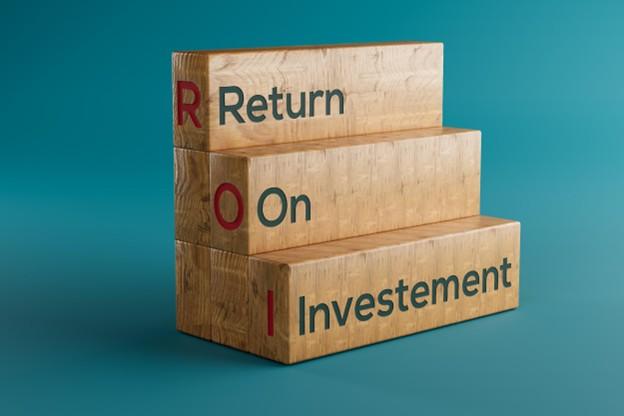
Let’s start by discussing what is ROI and what is the full form of ROI. ROI simply stands for “Return On Investment”. It is a financial metric that measures the profit or loss generated from an investment relative to its cost. It helps you understand how efficiently your investments are generating returns over time.

You can calculate the ROI by dividing the net profit from an investment by its total cost, and then multiplying the result by 100. તે સામાન્ય રીતે ટકાવારી તરીકે વ્યક્ત કરવામાં આવે છે.

ROI માટે મૂળભૂત ફોર્મ્યુલા અહીં આપેલ છે:

ROI = (ઇન્વેસ્ટમેન્ટમાંથી ચોખ્ખો નફો / રોકાણની કુલ કિંમત) x 100

Here, net profit is the return earned after deducting the original investment cost from the current value of the investment.

Key highlights about ROI

રોકાણકારો તેની સરળતા અને અસરકારકતાને કારણે નફાકારકતાનું મૂલ્યાંકન કરવા માટે ROI નો વ્યાપક રીતે ઉપયોગ કરે છે. નોંધ કરવા જેવી કેટલીક મુખ્ય વિશેષતાઓ અહીં આપેલ છે:

  • ગણતરી કરવામાં સરળ: તમે સરળ ગણિત સૂત્રનો ઉપયોગ કરીને ROI ની ગણતરી કરી શકો છો.
  • Measures profitability: It helps you measure profitability compared to investment cost.
  • Enables comparison: It helps compare different investment options on a common scale.
  • Versatile metric: You can use it to measure returns from stocks, bonds, and other instruments.

How to calculate ROI step-by-step?

Calculating ROI is easy and straightforward. You can simply use the formula mentioned above to get the result. Here is the step-by-step guide for the same:

  1. Determine the total cost of investment. It is the original investment amount plus expenses, charges, and taxes. For example, if your investment amount is Rs. 1 lakh and other expenses are Rs. 2,000, the total cost of your investment is Rs. 1,02,000.
  2. Subtract the total cost from your current investment’s value to ascertain your net profit. For example, if your current investment value is Rs. 1,30,000, your net profit is Rs. 28,000 (1,30,000 – 1,02,000).
  3. Divide the net profit by the total cost of investment, and multiply the result by 100 to calculate the ROI. Following the example, the ROI would be [(28,000 / 1,00,000) x 100], i.e., 28%.

Also Read –    Where should NRIs invest their money in India?

Why ROI is an important financial metric?

Return on investment, or ROI, is one of the most widely used financial metrics due to its simplicity and practical value. Individual investors mostly use this metric to evaluate how well their investments are performing. At the same time, businesses rely on ROI to measure profitability and compare different projects or strategies. The added advantage of getting the result as a percentage makes it easy for users to apply this metric across financial decisions.

ROI as a profitability indicator

ROI shows how efficiently an investment generates returns relative to the capital invested. It helps you understand whether the gains justify the amount spent. A higher ROI indicates better performance, while a lower ROI suggests compromised returns. It becomes easy to identify which investments are delivering value and which may need reconsideration.

Using ROI to compare investment options

ROI allows you to compare multiple investment avenues on a common scale. Since it is expressed as a percentage, you can easily analyze the performance of different assets, even if the investment amounts are not the same. This allows you to identify which instruments offer better returns relative to cost and, subsequently, helps you make more objective and structured decisions.

ROI in business performance evaluation

Businesses use ROI to assess the effectiveness of projects, campaigns, or investments. For example, companies can measure the return generated from marketing efforts or new initiatives. This helps them allocate resources more efficiently and focus on activities that deliver higher profitability. Eventually, ROI helps in improving overall business performance.

આ પણ વાંચો – MLD વર્સેસ એફડી વર્સેસ બોન્ડ: તમારે ક્યાં રોકાણ કરવું જોઈએ?

રોકાણ પર વળતરની મર્યાદાઓ

જ્યારે ROI એક વ્યાપક રીતે ઉપયોગી ફાઇનાન્શિયલ મેટ્રિક છે, ત્યારે તેમાં કેટલીક મર્યાદાઓ પણ છે. તે પૈસાના સમયના મૂલ્યને ધ્યાનમાં લેતા નથી, જેનો અર્થ એ છે કે તે વિવિધ સમયગાળા દરમિયાન કમાયેલ રિટર્નને સમાન ગણવામાં આવે છે. ઉદાહરણ તરીકે, એક વર્ષમાં 20 % કમાવવું એ પાંચ વર્ષમાં સમાન રિટર્ન મેળવવાથી ખૂબ જ અલગ છે.

તે રોકાણો અથવા વ્યવસાયોમાં જોખમના પરિબળને પણ અવગણે છે. બે ઇન્વેસ્ટમેન્ટમાં સમાન ROI હોઈ શકે છે, પરંતુ એક વધુ જોખમી હોઈ શકે છે. ઉદાહરણ તરીકે, ઇક્વિટી અને ડેબ્ટ ફંડના પ્રદર્શનની તુલના માત્ર ROI પર આધારિત કરી શકાતી નથી, જો કે ઇક્વિટી ઇન્સ્ટ્રુમેન્ટમાં વધુ રિસ્ક હોય છે.

આ મર્યાદાઓને ઑફસેટ કરવા માટે, તમે રિટર્ન દર (આરઓઆર) સાથે આરઓઆઇનો ઉપયોગ કરી શકો છો. બાદમાં ચોક્કસ સમયગાળા દરમિયાન રોકાણ દ્વારા થતા લાભ અથવા નુકસાનને માપે છે.

What is considered a good ROI?

There is no universal answer to “what is a good ROI”. The criteria may vary based on factors such as the type of investment, industry standards, risk level, and overall market conditions. What may be considered good in one sector may not be the same in another.

For example, a 6% to 8% ROI is generally considered good for risk-free and fixed-income investment instruments. However, for equity-based investments, it often seems unsatisfactory. From such avenues, investors often target an ROI of 12% to 15%. Businesses may aim for even higher ROI, depending on growth expectations and profit margins.

In general, a good ROI is one that aligns with your risk appetite and financial goals.

Also Read –    Understanding global investments

Is ROI calculated annually or over the total investment period?

ROI is usually calculated as the total return earned over the entire investment period. It means it shows the overall gain or loss compared to the initial investment cost, without considering how long you’ve held the investment.

However, in some cases, investors use annualized ROI. It adjusts the return to reflect a yearly rate, making it easier to compare investments held for different durations.

Total ROI is useful for understanding an investment’s overall performance, while annualized ROI is better for comparing multiple investments across time periods.

Common applications of ROI across industries

ROI is widely used across sectors to measure performance and make informed financial decisions. Here are some common use cases:

  • Stock market: Investors use ROI to evaluate returns from stocks and compare different equity investments.
  • Real estate: ROI helps real estate investors assess profitability from different property investments.
  • Marketing campaigns: Businesses use ROI to understand the effectiveness of advertising and promotional spending.
  • Business projects: ROI helps companies evaluate the success of new projects, acquisitions, or capital investments.

Also Read –    Best Debt Investment Options in India

ROI vs other investment evaluation methods

Apart from ROI, you can use the following methods to evaluate an investment’s performance:

Net Present Value (NPV)

It reflects the present value of future cash flows that you will receive from your investment. It uses a “discounting rate” and the concept of the time value to help you evaluate returns at different points in time.

Internal Rate of Return (IRR)

In IRR, the return is calculated excluding external factors such as the inflation rate and bank rate. It allows you to compare different investments through a single percentage metric.

Payback period

It measures how long it takes to recover the initial investment. The lower the payback period, the better the investment.

Time Value of Money (TVM)

It helps you determine whether an investment is worthwhile by comparing its present cost against potential future returns.

How to improve your ROI on investments?

Improving ROI requires a combination of smart planning and disciplined execution. Here are some practical ways to enhance your returns:

  • Reduce unnecessary expenses or charges. Lower investment costs directly improve net returns.
  • Spread your investments across different asset classes to manage risk and optimize returns.
  • કમ્પાઉન્ડિંગ અને માર્કેટ ગ્રોથનો લાભ લેવા માટે લાંબા સમય સુધી રોકાણ કરો.
  • મજબૂત ફંડામેન્ટલ્સ અને વૃદ્ધિની ક્ષમતા સાથે સંપત્તિઓમાં રોકાણ કરો.
  • તમારા રોકાણોનું નિયમિત નિરીક્ષણ કરો. પરફોર્મન્સ અને લક્ષ્યોના આધારે એડજસ્ટમેન્ટ કરો.

ઝડપી અંદાજ માટે ઑનલાઇન ROI કેલ્ક્યુલેટરનો ઉપયોગ કરવો

An online ROI calculator makes it easy to estimate returns without manual calculations. You simply enter the original investment cost and the final value. The tool instantly shows your ROI. It saves time and reduces the chances of errors.

However, ROI alone may not give a complete picture regarding your investment’s performance. It is better to use it alongside other evaluation metrics, such as NPV, IRR, or TVM, to make more informed financial decisions.

લોન વિશે વધુ

વારંવાર પૂછાતા પ્રશ્નો

ROI શું છે?

રોકાણ પરનું વળતર (ROI) એ તેના ખર્ચની તુલનામાં રોકાણમાંથી તમે કેટલું નફો અથવા નુકસાન કમાવો છો તે માપવા માટેની એક સરળ રીત છે. તે સામાન્ય રીતે ટકાવારી તરીકે વ્યક્ત કરવામાં આવે છે, જે પરફોર્મન્સને સમજવું અને વિવિધ રોકાણ વિકલ્પોની તુલના કરવાનું સરળ બનાવે છે.

તમે સરળ ફોર્મ્યુલાનો ઉપયોગ કરીને ROI ની ગણતરી કેવી રીતે કરી શકો છો?

ROI ની ગણતરી મૂળભૂત સૂત્રનો ઉપયોગ કરીને કરવામાં આવે છે: ( ચોખ્ખો નફો / રોકાણની કુલ કિંમત) × 100. ચોખ્ખો નફો એ પ્રારંભિક રોકાણ ખર્ચ બાદ કમાયેલ વળતર છે. આ ફોર્મ્યુલા તમને ઝડપથી ROIની ગણતરી કરવામાં મદદ કરે છે અને સમજે છે કે સમય જતાં તમારા રોકાણમાં કેટલું કાર્યક્ષમ પ્રદર્શન થયું છે.

રોકાણ માટે સારો ROI શું માનવામાં આવે છે?

કોઈ યુનિવર્સલ ગુડ અથવા ખરાબ ROI નથી. તે રોકાણના પ્રકાર, રિસ્ક સ્તર અને બજારની સ્થિતિ પર આધારિત છે. ઓછા જોખમવાળા રોકાણ સામાન્ય રિટર્ન પ્રદાન કરી શકે છે, જ્યારે ઉચ્ચ-જોખમવાળા વિકલ્પો વધુ સારા રિટર્નનો હેતુ ધરાવે છે. સામાન્ય રીતે, સારો ROI એ તમારા ફાઇનાન્શિયલ લક્ષ્યો અને રિસ્ક સહનશીલતા સાથે મેળ ખાય છે.

શું ROI ની ગણતરી વાર્ષિક ધોરણે કરવામાં આવે છે અથવા સમગ્ર રોકાણ સમયગાળા દરમિયાન કરવામાં આવે છે?

ROIની ગણતરી સામાન્ય રીતે સમગ્ર રોકાણ સમયગાળામાં કમાયેલ કુલ વળતર તરીકે કરવામાં આવે છે. જો કે, વિવિધ સમયગાળા માટે રાખવામાં આવેલા રોકાણોની તુલના કરવા માટે વાર્ષિક પણ કરી શકાય છે. વાર્ષિક ROI વાર્ષિક રિટર્ન દર આપે છે, જ્યારે કુલ ROI એકંદર પરફોર્મન્સને પ્રતિબિંબિત કરે છે.

ROI અન્ય રોકાણ મૂલ્યાંકન પદ્ધતિઓથી કેવી રીતે અલગ છે?

ROI ની ગણતરી કરવી સરળ અને સરળ છે, પરંતુ પૈસાના સમય મૂલ્ય અથવા રોકડ પ્રવાહના સમય જેવા પરિબળોને ધ્યાનમાં લેતા નથી. NPV, IRR અથવા TVM જેવી અન્ય પદ્ધતિઓ આ પાસાઓને ધ્યાનમાં રાખીને ઊંડાણપૂર્વક જાણકારી પ્રદાન કરે છે. આ જ કારણ છે કે તેઓ વિગતવાર ફાઇનાન્શિયલ વિશ્લેષણ માટે વધુ યોગ્ય છે.

ફાઇનાન્શિયલ મેટ્રિક તરીકે ROI ની મર્યાદાઓ શું છે?

ROI does not account for the time value of money, risk levels, or timing of returns. It treats all investments equally, regardless of how long they are held. It can sometimes give an incomplete picture, especially for long-term or complex investments.

ઑનલાઇન ROI કેલ્ક્યુલેટર રોકાણ પ્લાનિંગમાં કેવી રીતે મદદ કરી શકે છે?

An online ROI calculator helps you quickly estimate returns without manual calculations. By entering a few basic details, you can compare different investment options and test various scenarios. It saves time and helps you make more informed financial decisions.