Tata Capital > Blog > Personal Use Loan > What is Part-Payment, Pre-Payment, Pre-Closure of Loan?

 31 October 2026
 8 mins read
 3081

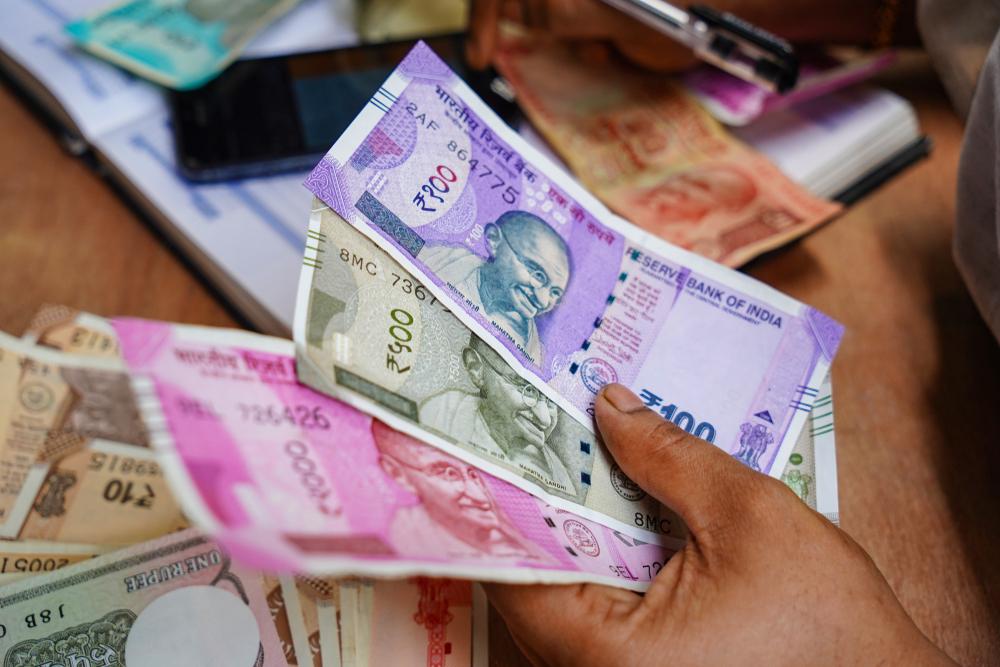
Are you curious about making your loans easier to handle? Imagine having superpowers that help you reduce the money you owe and save on extra charges.
We’re about to uncover the secrets of part-payment, part-payment meaning, pre-payment, and pre-closure of loans. These are like magic tools that can make your loan journey smoother and save you some extra rupees.
Part payment means paying a lump sum toward your loan in addition to your regular EMIs, without closing the loan. The amount goes directly toward reducing your outstanding principal. Since interest is charged on the principal, a lower balance brings down your total interest. Depending on your lender, you can either lower your EMI while keeping the tenure the same, or keep the EMI and shorten the tenure. You can usually make part payments more than once during the loan, subject to your lender’s rules.
Loan prepayment means repaying a large part of your loan, or the full outstanding amount, before the tenure ends. A partial payment covers only a portion of the balance, while a full prepayment settles the entire remaining balance. The main benefit is interest savings, since a lower or nil principal means less interest overall. Prepayment can also either reduce your EMI or shorten your tenure, depending on the option you choose. Some lenders apply a prepayment charge, and whether it applies depends on the lender and the type of loan. Always check your loan terms before you prepay.
Loan pre-closure means repaying your entire outstanding loan in one payment before the scheduled end of the tenure. Once you pre-close, your EMIs stop and the loan account is settled and closed. To pre-close, you apply to your lender, who calculates the final amount based on your outstanding principal and any applicable charges. After payment, collect a No Objection Certificate (NOC) confirming that all dues are cleared.
Each option helps you repay your loan faster and save on interest, but they work in different ways. Part-payment clears a portion of your loan while it continues, prepayment clears a large part or all of it before term, and pre-closure settles the entire loan and closes the account. The table below compares them at a glance.
| Aspects | Part-Payment of Loan | Prepayment of Loan | Pre-Closure of Loan |
| Reduces Principal Amount | Yes | Yes | Full Loan Repayment |
| Effect on Interest Rate | Stays the Same | Interest Rate Goes Down | Stays the Same |
| Impact on EMI | EMI Becomes Smaller | EMI Becomes Smaller | No More EMI |
| Effect on Credit Rating | Little to No Impact | Can Improve Credit Score | Can Improve Credit Score |
| Frequency | Can be done multiple times | One-time or occasional | One-time, closes the loan |
| Charges | May apply, subject to lender and loan type | May apply, subject to lender and loan type | May apply, subject to lender and loan type |
| Loan Status | Remains active | Remains active | Closed and settled |
Depending on your lender, you may be charged a penalty ranging from 2% to 5% when you choose to make a prepayment of a loan before the scheduled date. For instance, Tata Capital levies loan pre-closure charges of 4.5% on amounts over and above 25% of your outstanding principal.
To understand the exact amount you might need to pay, use tools like Tata Capital’s online loan prepayment calculator to estimate these charges easily. It’s also important to note that many lenders may limit prepayments and may have certain caps in place.
Prepayment of a loan can positively impact your credit score in several ways. When you clear a loan early or reduce a large portion of your outstanding balance, your overall debt decreases. This lowers your credit utilisation ratio and displays disciplined repayment behaviour, which can make your credit profile stronger over time.
Part-payment of loan, on the other hand, usually has a negligible effect. While they reduce the outstanding principal and future interest, the loan itself is still active. This means your EMI cycle continues as usual. Therefore, the impact on your credit score is limited. However, it still supports more manageable repayment and better long-term financial health.
When you’re choosing how to repay your loan, there is no single option that works for everyone. It is crucial to select the approach that aligns with your financial goals and situation. Consider factors such as your income stability, available surplus funds, and the remaining principal on your loan.
For instance, if you have enough savings for a modest lump sum, a part-payment or prepayment of loan can lower your interest burden. However, if you’ve accumulated sufficient funds to clear the entire balance, opting for a loan pre-closure may be more beneficial.
Whether you should prepay your loan or not depends on several factors, including:
1. The stage of repayment you have currently reached
2. The interest rate on your loan
3. Any applicable loan pre-closure charges or prepayment charges
Once you assess these factors, you can determine whether prepaying your loan aligns with your overall financial goals.
You can make multiple part-payments toward your loan, gradually reducing the principal and cutting down the interest you pay in the long run. However, different lending institutions have their own rules for part-payments. These usually cover how much you’re allowed to part-pay at a time and how many times you can do it in a year.
In order to initiate the loan pre-closure process, you must have the following documents in order:
1. Loan Account Number: This acts as your loan’s identification number and allows your bank to locate your specific loan account.
2. A Pre-closure Request: A formal letter indicating the borrower’s intent to pre-close the loan.
3. Your Photo ID: A valid government-issued identification (such as your Aadhaar card or Passport) for verification.
4. Your PAN Card: As with most financial procedures, a PAN card is required to initiate the pre-closure process.
5. Your Loan Documents: Your loan agreement, recent EMI statements, and any other related documents.
6. Your Payment Details: You must specify how you are closing the loan, such as through a demand draft, cheque, or another method.
7. An NOC from Lender: Obtained after loan closure, confirming that all dues have been settled.
So, what’s the big picture? These loan tricks – part-payment, pre-payment, and pre-closure – help you handle your loans better. It’s like having secret weapons to make your loan journey smoother. You can reduce the amount you owe, pay less interest, and maybe even finish the loan game earlier.
So, next time you’re thinking about small personal loans, consider these cool tricks to make your financial journey more awesome. If you want to explore more about managing loans, check out the TATA Capital personal loan emi calculator for some great options.
Prepayment is like paying part of the loan early, while foreclosure is finishing the whole loan before its time.
Pre-closure in banking is when you pay off the entire loan before the time it is supposed to end.
Part prepayment can make your EMI smaller or reduce the time you have to pay
No, finishing your loan early (foreclosure) can make your credit score better.
Part prepayment usually doesn’t affect your credit score much. It can make paying off your loan easier.
According to RBI regulations, borrowers with floating-rate loans for non-business purposes won’t face prepayment charges. For business loans, major lenders, such as commercial banks and large NBFCs, also cannot levy these fees. Smaller lenders, including regional rural banks and mid-sized NBFCs, are restricted from levying loan pre-closure charges on loans up to ₹50 lakh.
The documents required for pre-closure of loan will depend on your lender. However, the records required will generally include the loan account number, a pre-closure request, a photo ID, your PAN card, any loan documents, payment details, and an NOC from your lender after closure.
You can usually make multiple part-payments on your loan, but the rules vary by lender. Always check your lender’s policies before making part payment of loan.
Deciding whether to prepay your loan depends on several factors, including how far you are into the repayment cycle, the current interest rate on your loan, and any applicable prepayment or loan pre-closure charges.


 Previous Post