Get the Tata Capital App to apply for Loans & manage your account. Download Now

Blogs

SUPPORT

Tata Capital > Blog > Loan for Business > CIBIL Dispute: How to Raise and Resolve It Online

Loan for Business

CIBIL Dispute: How to Raise and Resolve It Online

CIBIL Dispute: How to Raise and Resolve It Online

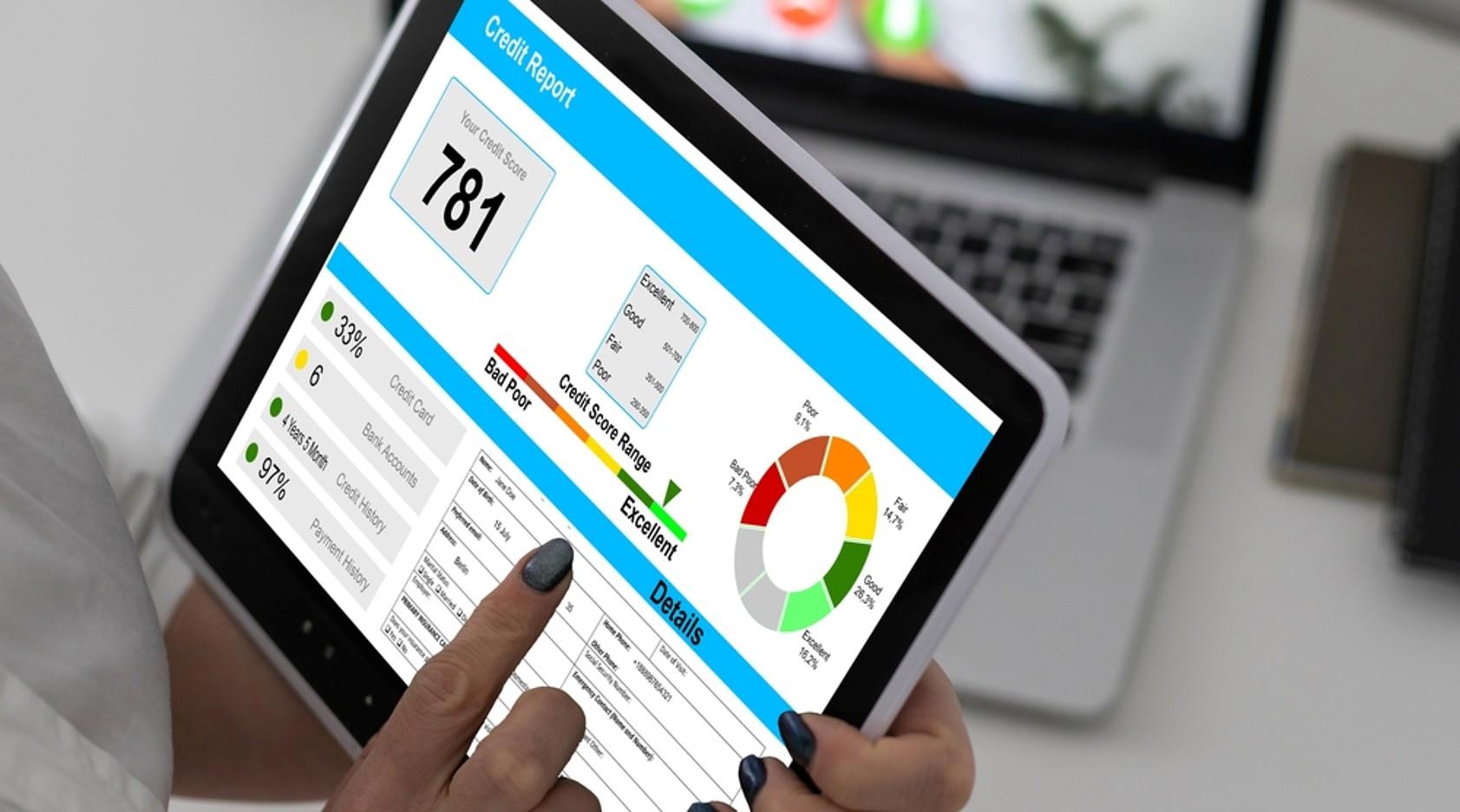
Sometimes, a small error in your CIBIL report can affect your credit score and lead to loan rejections. For example, a wrong account status, an incorrect outstanding balance, a loan you never took, etc. The good news is that raising a CIBIL dispute is simple, free, and does not affect your credit score in any way.

This guide covers everything you need to know: what a CIBIL dispute is, the types of errors that commonly appear, how to raise a dispute in CIBIL online, and what the resolution process looks like.

What is a CIBIL Dispute?

A CIBIL dispute is a formal request you submit to TransUnion CIBIL asking them to correct inaccurate, incomplete, or outdated information in your credit report. Raising a dispute in CIBIL is completely free and does not impact your credit score in any way.

Read More – CIBIL score vs credit score

Common Errors You Can Dispute in Your CIBIL Report

  • Wrong personal details: Spelling errors in your name, PAN, date of birth, or address.
  • Incorrect account information: Wrong loan amount, incorrect EMI, or payment status marked overdue despite timely payments.
  • Accounts that aren’t yours: Raise a dispute in CIBIL for loans or credit cards you never took out, which could indicate identity theft or fraud.
  • Duplicate accounts: The same loan or credit card appears twice, making your debt look higher than it is.
  • Closed loans still showing active: Fully repaid loans or settled credit cards still reflecting as outstanding.

Read More – How Much CIBIL Score Required For Personal Loan

Left uncorrected, small mistakes like these can snowball into real CIBIL score issues, from a declined loan application to a lender questioning your repayment history for no fault of yours. A few more errors worth watching for:

  • Incorrect Payment History: An EMI paid on time but logged as late or missed is a common CIBIL score problem that drags your score down without any fault on your part.
  • Closed Loans Shown as Active: Related to closed loans still reflecting as outstanding above, this usually happens when a lender delays updating the closure status with the bureau even after your loan is fully settled.
  • Incorrect Status Tags: A field wrongly marked “written off” or “settled” instead of “closed” can quietly hurt your eligibility for future credit until you dispute credit report entries like this and get them corrected.

How to Raise a Dispute in CIBIL Online (Step-by-Step)?

  1. Log in to Your myCIBIL Account: Visit cibil.com and sign in with your credentials.
  2. Go to Credit Reports > Dispute Centre: Inside your dashboard, navigate to the Credit Reports section and click on Dispute Centre.
  3. Click ‘Dispute an Item’: This opens the official CIBIL raise a dispute form, where you can flag errors.
  4. Select the Section with the Error: Choose the relevant section from personal information, account details, and payment history, wherever the mistake appears.
  5. Choose the Dispute Type and Enter Correct Details: Specify what is wrong and provide the accurate information.
  6. Submit and Save Your Confirmation: Once submitted, the disputed fields are tagged ‘Under Dispute.’

Read More – How long does it take to improve your CIBIL score?

CIBIL Dispute Login: Accessing the Dispute Centre

To complete the CIBIL dispute login, follow these steps:

  • Visit cibil.com and click ‘Login’ on the homepage.
  • Enter your registered email or mobile number and password. Or log in via OTP.
  • Once inside your myCIBIL dashboard, navigate to Credit Reports > Dispute Centre.
  • No account yet? Click ‘Get Your CIBIL Score‘ to register first. It only takes a few minutes. Then, you can file your CIBIL dispute.

Documents That Help Resolve a CIBIL Dispute Faster

Knowing how to raise a dispute in CIBIL online is only half the job. Having these documents ready before you start speeds up verification considerably:

  • Loan closure letter or NOC, if the error involves a loan you’ve already repaid.
  • Payment receipts for any EMI or installment marked as missed or late.
  • A bank statement showing the actual payment, as proof against an incorrect status.
  • ID proof, if the mistake is in your personal details such as your name or date of birth.

If you’d rather have a written trail, you can also email these documents directly to the official CIBIL dispute mail ID, CIBILinfo@transunion.com, alongside filing the dispute online.

How to Check Your CIBIL Dispute Status?

Once you have submitted your dispute, tracking it is simple. Here’s how to check your CIBIL dispute status:

  • Log in to your myCIBIL account using your CIBIL dispute login credentials.
  • Navigate to the Dispute Centre. You will see all previously raised disputes listed here.
  • Check the status against your dispute ID. It will typically show as Under Dispute, In Progress, Resolved, or Rejected.
  • If resolved, your credit report will be updated automatically, and your score recalculated.
  • CIBIL also sends email and SMS updates at key stages, so you don’t need to log in repeatedly to stay informed.

Also Read – What are the 4 CICs in India?

Once you raise CIBIL dispute requests online, this table shows exactly what each status label means:

StatusWhat It Means
Under DisputeThe field is flagged and verification with the lender is in progress.
In ProgressThe lender has been contacted and CIBIL is awaiting their response.
ResolvedThe lender confirmed the error, and your report has been corrected.
RejectedThe lender confirmed the original data was accurate.

CIBIL Dispute Resolution Process and Timeline

Once you submit your dispute, the CIBIL dispute resolution process follows a clear path. As per RBI norms, the standard turnaround is 30 days. Here’s what happens step by step:

  • Day 0: Your disputed fields are immediately tagged ‘Under Dispute’ in your credit report within 24-48 hours.
  • Days 1-25: CIBIL contacts the relevant bank or NBFC that submitted the data and asks them to confirm or deny the error.
  • Days 25-30: If the lender confirms the mistake, CIBIL corrects your report and removes the ‘Under Dispute’ tag.
  • Post-resolution: Your credit score is recalculated within 5-7 days of the correction.

If the CIBIL dispute is not resolved within 30 days, CIBIL is liable to pay compensation under its framework.

What If Your CIBIL Dispute Is Rejected?

A rejected CIBIL dispute is not a dead end. Here’s how you can escalate it:

  • Re-raise with stronger documents: Attach your loan closure letter, NOC, and payment proof.
  • Contact the lender directly: Email the bank or NBFC’s grievance redressal officer.
  • Write to CIBIL’s grievance officer: Formally request a review through CIBIL’s internal grievance mechanism.
  • Escalate to the RBI Ombudsman: If both CIBIL and the lender fail to resolve it, file a complaint under the RBI’s Credit Information Companies Ombudsman scheme.

Read More – How to build a credit score from scratch

Does Raising a CIBIL Dispute Affect Your Credit Score?

This is one of the most common concerns. And the answer is no. Raising a CIBIL dispute does not negatively affect your credit score in any way. When you flag an error, the disputed field is simply marked “Under Dispute” while the verification is underway. Your score remains untouched during this period.

In fact, if the error was pulling your score down, a successful correction can actually improve it. So there is no reason to hesitate. Raise a dispute in CIBIL as soon as you spot a mistake.

Tips to Avoid CIBIL Errors in the Future

A little vigilance goes a long way in avoiding a CIBIL dispute altogether:

  • Check your credit report at least once a year, as early detection can ensure quick CIBIL dispute resolution.
  • Collect your NOC after every loan closure and verify within 60-90 days that the account status has been updated correctly.
  • Keep your contact details current with lenders, as outdated information is a common source of data mismatches.
  • Watch for unknown accounts that may indicate fraud.
  • Set a reminder to check your free CIBIL score every three to four months instead of waiting a full year. Errors caught early are resolved faster and are less likely to have already affected a loan decision.

Conclusion

CIBIL errors are more common than most people realise. But cbut they are fixable. A timely CIBIL dispute can protect your credit score, restore your loan eligibility, and prevent unnecessary rejections down the line. The process is free, fully online, and does not hurt your score. So if something looks wrong on your report, do not wait. Review it, raise the dispute, and get it corrected. Once your report is accurate, check your eligibility for a Tata Capital loan with confidence.

More About Loans

FAQs

What is a CIBIL dispute?

A CIBIL dispute is a formal request submitted to TransUnion CIBIL to correct inaccurate, incomplete, or outdated information in your credit report. It is free to raise a dispute in CIBIL and does not affect your credit score in any way.

How do I raise a dispute in CIBIL online?

To raise a dispute in CIBIL, log in to myCIBIL, go to Credit Reports, open the Dispute Centre, and click "Dispute an Item." Select the error, enter the correct details, and submit. You will receive a confirmation ID to track your CIBIL raise a dispute request.  

How do I log in to the CIBIL dispute portal?

For CIBIL dispute login, visit cibil.com and sign in using your email or mobile number with your password or OTP. If you do not have an account, register first to access the Dispute Centre within your myCIBIL dashboard.

How can I check my CIBIL dispute status?

To check your CIBIL dispute status, log in to myCIBIL and navigate to the Dispute Centre. Your dispute ID will show the current status: Under Dispute, In Progress, Resolved, or Rejected. CIBIL also sends email and SMS updates throughout the process.

How long does CIBIL dispute resolution take?

CIBIL dispute resolution typically takes up to 30 days as per RBI norms. CIBIL contacts the relevant lender for verification, and once confirmed, your report is corrected. Your updated credit score will reflect within 5 to 7 days after the correction is made.

Does raising a CIBIL dispute affect my credit score?

No. Raising a CIBIL dispute does not negatively impact your credit score. The disputed field is simply flagged "Under Dispute" during verification. If the error was lowering your score, a successful resolution can actually improve it once the correction is applied.

What should I do if my CIBIL dispute is rejected?

A rejected dispute is not final. For CIBIL dispute resolution, re-raise with stronger documents like your NOC or closure letter, contact the lender's grievance officer directly, or escalate to CIBIL's grievance team. If unresolved, file a complaint with the RBI's Credit Information Companies Ombudsman.

Can wrong CIBIL data cause a loan rejection?

Yes. Lenders review your CIBIL report before approving any loan, so an error like a wrongly marked default can trigger a rejection. If a lender flags this, ask for the CIBIL complaint number tied to your case for reference, and raise a dispute in CIBIL right away so the record is corrected before your next application. If you're unsure where you stand, see how to check CIBIL score for a personal loan before you apply again.