Tata Capital > Blog > Loan for Education > Education Loan Disbursement Process for Abroad

 30 October 2026
 7 mins read
 3349

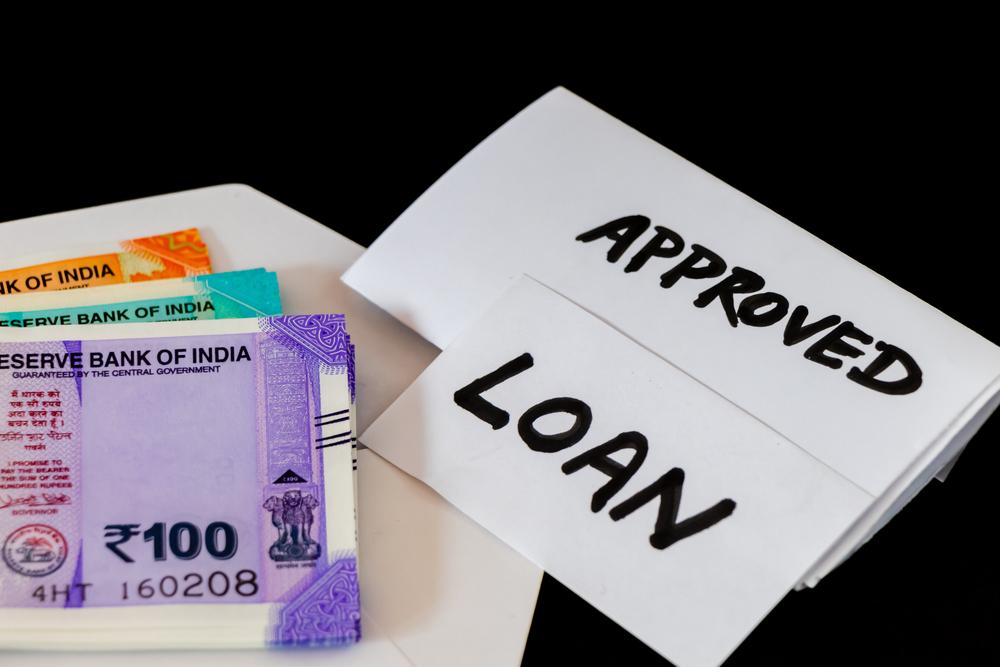
Preparing for a foreign education course can be an exciting process. And a crucial part of this is an education loan. These convenient credit vehicles help you finance your educational dreams without compromising your financial stability. What’s more, leading financial institutions offer these at competitive interest rates and flexible tenures, making them even more attractive to students.
However, a common ambiguity surrounding education loans is their disbursement process. As the last leg of the journey, this involves receiving the loan amount and can be confusing for some. If you’re looking to gain clarity on this, you’re in the right place.
Here, we discuss everything you need to know about the education loan disbursement process for abroad, from what it is to how long it can take.
Here are the stages involved in the education loan disbursement process for abroad:
Your chosen lender will issue a loan sanction letter once your application and documents have been verified and approved. Be sure to pay all charges, such as processing fee, stamp duty, etc., if applicable, for a smooth process.
Next, you will be required to sign the loan agreement prepared by your chosen lender. Your co-borrowers or guarantors will also be required to sign it. Make sure all relevant parties are present to prevent delays in the disbursement. The loan agreement is a formal contract that includes all crucial details regarding the loan, such as interest rate, tenure, repayment terms, etc.
Once you and your co-borrowers or guarantors have signed the loan agreement, you must provide your loan disbursement details. This involves informing the lender about when you need the loan amount. This is usually after you receive your visa or the final date of course fee payment. Be sure to inform the lender whether you need partial or full loan disbursement.
Lastly, you need to inform your lender about the mode of disbursement. The lender will typically pay the tuition fee to the university or college directly. Alternatively, they might prepare a demand draft as per your instruction. Some educational institutions in America might prefer tuition fee payment via third party services such as Globalpay, Flywire, etc. Be sure to inform your lender of the same.
An education loan disbursement letter is a formal document that is provided to you by your lender. This letter must be submitted to your educational institute as proof of financial support. Further, you can initiate the disbursement process only after receiving your loan disbursement letter.
The time that the education loan disbursement process for abroad courses will take depends on your chosen lender’s process. Lenders can typically take anywhere between 7-15 business days or up to a month to verify your loan application and documents. The loan is usually disbursed within 4-7 days after you receive the sanction letter.
After your education loan is approved, financial institutions and lenders require certain documents before disbursing the loan. These documents verify the student’s admission, identity, and financial details.
Key documents typically include:
Providing complete and accurate documents ensures timely disbursement, avoiding delays in fee payment to the institution and allowing the student to commence their studies smoothly.
When applying for loan disbursement, a formal application to the lender is essential. It should clearly state the student’s details, loan account number, and purpose of disbursement. Include supporting documents like admission letter, fee invoice, and identity proofs.
Format:
Best practices: Ensure all documents are complete, mention exact fee amounts, and follow up with the lender. Understanding how education loan is disbursed helps in scheduling payments to the institution without delays, avoiding last-minute complications.
Education loan disbursement can vary based on the student’s requirements and lender policies. Understanding the modes helps in planning fee payments effectively.
Choosing the right mode ensures smooth fee payments and efficient management of loan interest.
Also,Read- how to calculate education loan interest
Delays in education loan disbursement often occur due to incomplete documents, verification issues, or mismatched admission details. Lenders may also take longer if co-applicant income proofs or academic records are unclear.
Tips to expedite disbursement:
Proactive preparation and timely submission help avoid delays and ensure funds reach the institution on time.
An education loan disbursement process for abroad refers to the release of the education loan amount into the applicant’s account. This is the final stage of your loan application process. After this, you are required to repay the loan post the completion of your studies.
The total loan amount is usually disbursed at periodic intervals at the beginning of a fresh academic year or semester. Generally, the lender coordinates this with the university or college and is responsible for the timely release of the loan amount.
Also,Read- What is Margin Money in Education Loan
As you’ve read above, the education loan disbursement process for abroad is pretty straightforward. All you need to do is submit the duly filled application form, attach all documents and wait for your loan to be approved. Once done, you can collect your sanction letter, sign the loan agreement, share disbursement details, and specify the mode of disbursement.
If you’re looking for a reliable financial partner for your education loan, consider Tata Capital. We at Tata Capital offer education loans at attractive interest rates, flexible loan tenures, easy eligibility, hassle-free documentation, and quick application processes.
Financial institutions release funds directly to the institution or student’s account after verifying admission, visa, and co-applicant documents, explaining how education loan is disbursed for international studies.
Key documents include the sanction letter, admission proof, fee invoice, identity/address proof, co-applicant documents, academic records, and passport/visa for overseas studies.
It’s a lender-issued confirmation authorising loan release, used to pay tuition or show financial proof for visa or institution purposes.
Typically, disbursement depends on document verification, lender procedures, and course start dates.
Yes, segmented or partial disbursement aligns with the academic fee schedule, helping manage tuition and reduce unnecessary interest.
Loans may cover living, travel, and study-related costs; funds are usually transferred in instalments or as requested by the student for planned expenses.


 Previous Post