Tata Capital > Blog > Credit Score > Equifax Credit Score: What It Means and How to Check Yours for Free

 28 October 2026
 8 mins read
 3018

Apply for a loan or credit card in India and there is a good chance the lender pulls your Equifax credit score as part of the decision, not just the CIBIL score most people have heard of. Equifax is one of four credit bureaus licensed by the RBI to track how Indians borrow and repay, and its score can genuinely differ from what another bureau reports on the same person.
This guide explains what is Equifax credit score, how it is calculated, what the numbers actually mean, and how to check it online for free in a few minutes.
An Equifax credit score is a three digit number, generated by Equifax Credit Information Services, that sums up how reliably you have handled credit in the past, including loans repaid on time, credit cards managed well, or defaults if any.
Lenders pull this number (and the fuller credit report behind it) before approving a loan or card, using it as a quick, standardised read on risk.
Equifax is one of four RBI licensed credit bureaus in India, alongside CIBIL, Experian and CRIF High Mark. Banks and NBFCs are free to check any one of them, or more than one, before lending.
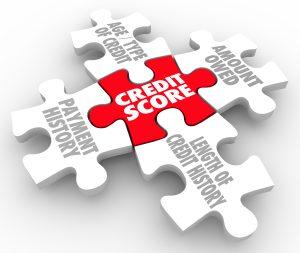
The Equifax credit score meaning comes down to how it’s built. The bureau collects your repayment data from banks and NBFCs and runs it through its own scoring model. A few factors carry the most weight.
Payment history matters most, every EMI and credit card bill paid on time (or missed) gets recorded and shapes the score for years afterward.
Credit utilisation, how much of your available credit limit you’re actually using, is next. Staying under roughly 30% of credit utilisation tends to help.
The mix of credit you hold (a blend of secured loans like a home loan and unsecured ones like a credit card, versus only one type) factors in too, along with how many new credit applications you have made recently, since a flurry of enquiries in a short window can read as financial stress to a lender.
The Equifax credit score range runs from 300 at the low end to 900 at the top, and where you land within that band tells a lender roughly how risky you look on paper:
| Score Range | Category | What It Signals |
| 800-900 | Excellent | Lowest-risk borrower, easiest approvals and the most competitive rates |
| 740-799 | Very Good | Strong repayment history, high approval odds on most products |
| 670-739 | Good | Acceptable risk, usually qualifies for competitive interest rates |
| 580-669 | Fair | Some lenders approve, but often with higher rates or stricter terms |
| 300-579 | Poor | High risk, approvals are difficult and may need additional security |
The Equifax highest credit score achievable is 900, though in practice very few people sit right at the ceiling. Anything from 800 upward puts you in the “Excellent” band, which is where lenders extend their best interest rates and the fastest approvals, since there is little in your history to flag as risk.
A lender checking your Equifax score directly shapes the offer you get. A score in the ‘Good to Excellent’ range typically means faster approval, access to higher loan amounts or credit limits, and interest rates meaningfully below what a Fair or Poor score would attract.
On a large loan like a home loan, even a ‘one percentage point difference’ in rate adds up to lakhs over the tenure, so the score is a real input into what the loan ends up costing.
RBI requires every credit bureau, including Equifax, to give you one free full credit report each year.
A free credit score check Equifax is available directly through the bureau’s own website, and through several bank and NBFC partner portals that pull the same underlying score. The first check is typically free. After that, some portals charge a small fee for repeat or updated reports.
Keep these details handy before you start, since Equifax uses them to match you to the right credit file:
If you have been searching, “check my credit score Equifax,” here’s how to get yours:
All four RBI-licensed bureaus, Equifax, CIBIL, Experian and CRIF High Mark, draw from largely the same pool of data. Banks and NBFCs report your repayment behaviour to all of them. What differs is the algorithm each bureau uses to weigh that data, which is why your Equifax score and your CIBIL score can land a few points apart even though nothing about your actual borrowing changed.
None of the four is the “official” one that overrides the others. A lender might pull just one bureau’s report or cross-check more than one, depending on their internal policy. Keeping all your repayments on track is the only lever that reliably moves every bureau’s score in the same direction.
Also read: CIBIL vs Experian vs Equifax credit score
Steady habits improve your Equifax score more than quick fixes:
Also read: How to increase CIBIL score from 600 to 750
Most low scores trace back to a few repeat patterns:
Also read: Days past due in CIBIL report
Checking your own score is a soft enquiry, and soft enquiries don’t affect your credit score at all, so there is no downside to checking often.
A quarterly check is a reasonable habit for most people, enough to catch errors or fraud early, without becoming a fixation. If you’re actively planning to apply for a loan in the next few months, it’s worth checking a little closer to that date too, so there is time to fix anything that might hold up approval.
Your Equifax credit score is one of several numbers lenders look at, but it’s a real factor in whether you get approved and at what rate. The mechanics behind it are fairly simple even if the exact algorithm is not public. Pay on time, keep utilisation low, and don’t apply for credit you don’t need. Check your score for free every few months, keep an eye on your report for errors, and the score number tends to take care of itself.
Ready to see where you stand? Check your credit score for free with Tata Capital in just a couple of minutes.#


 Previous Post