Tata Capital > Blog > Wealth Services > India’s Union Budget: Here’s what you need to know

 02 November 2026
 4 mins read
 1935

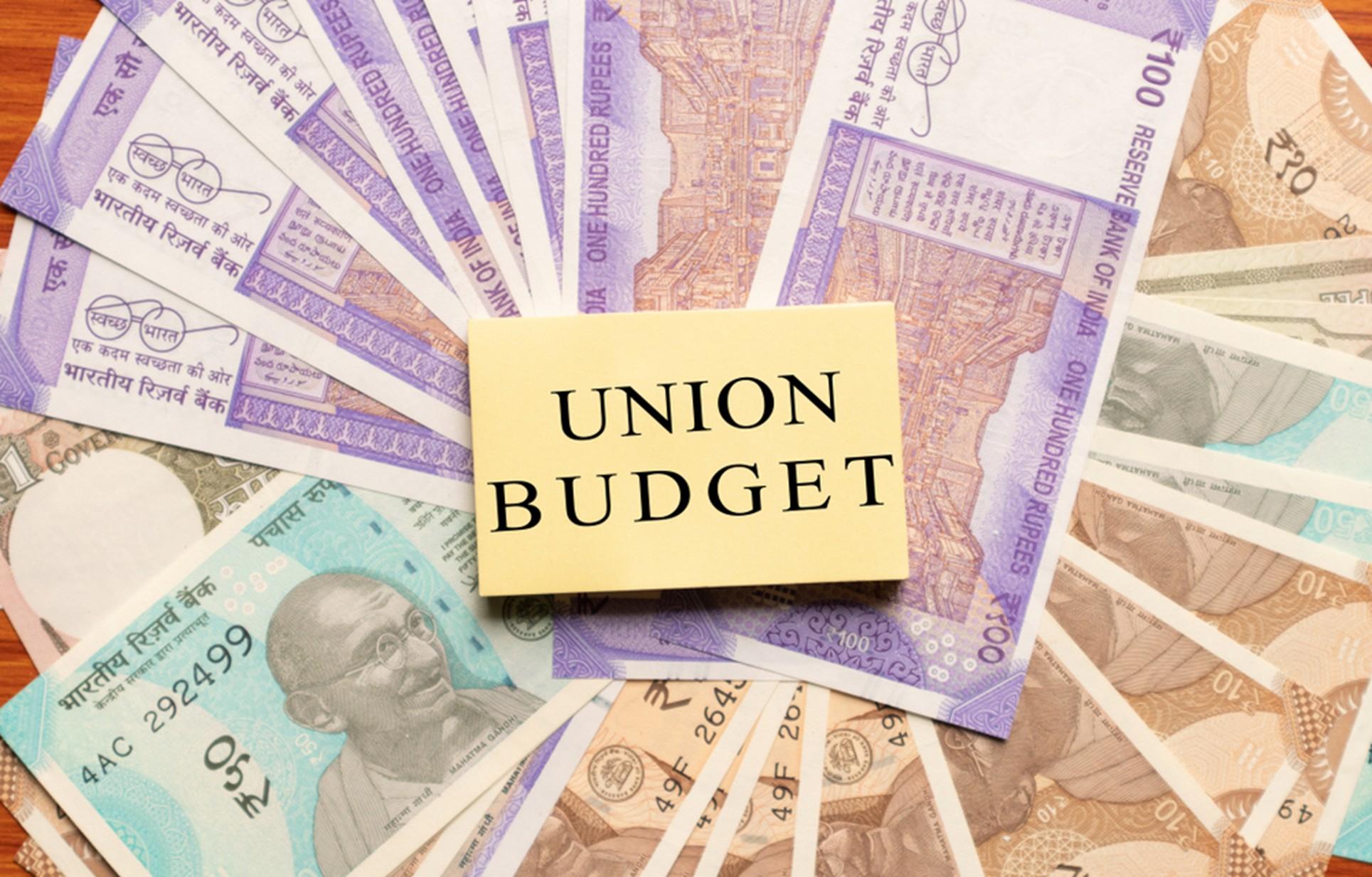
Let us start with the simple question: What is the Union Budget? A nation’s Union Budget is the country’s annual financial statement, giving an estimate of the revenue and expenditure for the upcoming financial year. The Union Budget is an instrument helpful for implementing government policies, setting direction for the country’s economy, and taking stock of the country’s financial position.
The India yearly budget is tabled in the parliament on the 1st of February every year and presented by the Union Finance Minister, it is prepared for the upcoming annual period from 1st April to 31st March.
The Indian Constitution mandates the Union Budget under its Article 112. According to this article, the Union Budget of India should give a detailed account of the money that the government expects to earn and plans to spend. Till 2016, a separate Railway Budget was prepared and presented. However, this practice has now been done away with. Another type of budget in India is the interim budget, which is presented by an incumbent government in the election year.
Also, read – How to save tax for a salary above 50 lakhs?
In India, the Union Budget has three significant parts. These are the revenue budget, the capital budget, and the finance bill.
While these three components are vital, there are several documents that comprise the Indian Union Budget. These documents are,
The much-awaited Economic Survey does not form a part of the above dossier; it is presented a day before the Union Budget.
Also, read – Tax Terms for Beginners
The importance of the budget in India cannot be overemphasised. It shapes the way the financial year pans out for the nation and the economy, thus impacting each citizen.
Also, read – Income tax slab for FY 2025-26
The budget indicates the direction of the country’s finances and policies. It helps the country maintain financial discipline and transparency. It also upholds the accountability of the executive towards the legislature, and triggers informed public debate on national policies and priorities.
The 2025-26 Union Budget projected a fiscal deficit of 4.4% of GDP. It amounts to Rs. 15.7 lakh crores.
The economic survey reviews the country’s economic performance during the previous year, while the Union Budget announces policies, tax proposals and expenditure plans for the upcoming financial year.
The Union Budget acts as the national framework within which the state budgets operate. Thus, while the national budget focuses on macro-economics, state budgets decide the local reach, delivery and implementation of the national policies.


 Previous Post