Tata Capital > Blog > Generic > Operating Lease Meaning, Features & Benefits Explained

 15 September 2026
 9 mins read
 3460

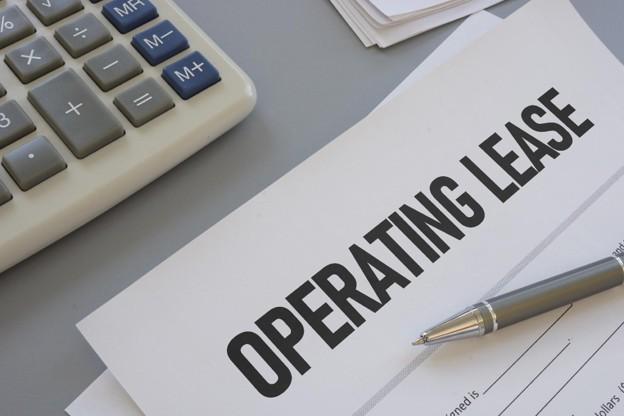
An operating lease is a rental agreement that allows a business to temporarily use an asset without transferring ownership. It is suited for short to medium-term renting. The ownership rights remain with the asset’s owner or the lessor in the agreement. The risks and rewards also belong to the lessor. The lessee or business entity renting the asset considers the periodic payments as direct operating expenses. You can use an operating lease when you need assets for a short period or when the assets require frequent upgrades.
An operating lease refers to a contract that grants a business the right to use an asset for a specified period without transferring ownership rights of the asset to the business.
An operating lease is a short-to-medium term lease agreement in which a business (the lessee) is permitted to use an asset without becoming its owner. The asset’s ownership remains with the lessor, who leases it out for a fixed period in return for regular payments. The lease is commonly used for vehicles, machinery, equipment, and office assets that businesses may not want to purchase outright.
This guide can help you understand what an operating lease is, how it works, and if it is suitable for your business. It covers the key features of an operating lease, its accounting treatment, how it differs from a finance lease, and its main benefits.
Also Read – Operating Lease vs Finance Lease
An operating lease is a rental agreement that businesses can use to temporarily use an asset (short- to medium-term) without owning it. The asset remains the property of the lessor, who grants usage rights in exchange for lease payments. It differs from a purchase or finance lease because ownership is not transferred to the lessee. At the end of the lease term, the asset is usually returned to the lessor.
An operating lease is common for the use of vehicles, office space, machinery, and IT equipment. It helps businesses access assets without making a large upfront investment.
So, what is operating lease, really? Understanding the operating lease meaning is easier when you break it down into four defining traits:
Also Read – Lease Rental Discounting
In an operating lease, the lessor purchases and retains ownership of the asset. The lessee pays regular rental payments to use it for an agreed period. In many cases, the responsibility for major maintenance lies with the lessor. The lessor also bears the risk of the asset becoming outdated.
Here’s the step-by-step lifecycle:
Also Read – Equipment Lease Financing vs Equipment Loan
Understanding what an operating lease is can get easier with the following operating lease example.
Suppose a logistics company in India needs delivery vans but does not want to buy them. It can enter into an operating lease for 3 years and pay Rs. 35,000 per month for each van. The estimated useful life of the vans is around 8 years, so the lease period is only for a part of their life. At the end of the 3-year term, the company returns the vans to the lessor or renews the lease. The ownership remains with the lessor throughout.
Under Ind AS 116, the lessee recognises almost all leases on the balance sheet. It includes operating leases, too. The lessee records a Right-of-Use (ROU) asset representing the right to use the asset and a lease liability representing future lease payment obligations. Over time, the ROU asset depreciates, and interest accrues on the lease liability.
Lessors must understand the differences between an operating and a finance lease. In an operating lease, the lessor keeps the asset on its books and recognises lease income over the lease term.
Here’s how an operating and finance lease compare at a glance:
| Basis | Operating lease | Finance lease |
| Ownership | Ownership remains with the lessor throughout the lease term. | Ownership may transfer to the lessee at the end of the lease, or the lease may be structured like a purchase. |
| Lease term | Covers only a part of the asset’s useful life. | Usually covers most or all of the asset’s useful life. |
| Risk and rewards | Major risks and rewards of ownership remain with the lessor. | Most risks and rewards of ownership are transferred to the lessee. |
| Asset return | The asset is generally returned to the lessor at the end of the lease. | The asset is often purchased by or transferred to the lessee. |
| Flexibility | It is usually more flexible and may be cancelled with notice. | It is typically less flexible and more difficult to cancel. |
| Maintenance responsibility | Often handled by the lessor, depending on the agreement. | Usually borne by the lessee. |
| Residual value risk | Remains with the lessor. | Usually borne by the lessee. |
| Typical use | Vehicles, office space, IT equipment, and short-term asset needs. | Expensive machinery, equipment, and long-term asset financing. |
Also Read – Operating Lease vs Finance Lease
Also Read – Leasing vs Buying a Car in India
A business should use an operating lease when it needs flexibility and does not want to own an asset for its entire useful life.
You must consider an operating lease if:
If your business specifically needs machinery, vehicles, or other equipment on lease, Equipment Leasing at Tata Capital is built for exactly this kind of asset financing. But does Credit Score really matter when it comes to leasing equipment? It’s best to check before signing up since your credit profile can shape the terms you’re offered.
An operating lease is a flexible way for businesses to use assets without purchasing them outright. It can help reduce upfront costs, preserve working capital, and provide easier access to newer equipment. However, businesses should also consider that they do not gain ownership and may pay more over the long term than if they had bought the asset. Before choosing an operating lease, you must understand the benefits of flexibility against the potential long-term costs and business needs.
If outright ownership suits your business better, a Business Loan can fund the purchase directly instead of a lease.
An operating lease is an agreement that allows a business to use an asset for a fixed period without owning it. The business or lessee pays the regular lease rentals. The asset is returned to the owner when the lease term ends.
In an operating lease, ownership-related risks and benefits remain mainly with the lessor. On the other hand, in a finance lease, most ownership risks and rewards are transferred to the lessee. It is more similar to purchasing the asset through financing.
A simple operating lease example can be that a company leases delivery vans for 3 years and pays a monthly rental fee instead of buying them. After the lease period ends, the company returns the vans or renews the lease, while ownership remains with the lessor.
In an operating lease, the lessor, or asset owner, retains legal ownership of the asset throughout the lease period. The lessee only receives the right to use the asset for an agreed period and generally returns it when the lease expires.
Under Ind AS 116, lessees generally recognize operating leases on the balance sheet as a right-of-use asset and a lease liability. The older practice of keeping most operating leases off the balance sheet no longer applies.
Yes, you can cancel an operating lease with prior notice, depending on the terms of the lease agreement. Operating leases offer more flexibility than a finance lease, but the exact cancelation rights, conditions, and charges vary from one contract to another.
Operating leases are commonly used for vehicles, office space, machinery, computers, printers, and other IT equipment. They are suitable for assets that businesses need temporarily or do not want to own for their entire useful life.
It depends on how long you'll use the asset. An operating lease works out better when you want lower upfront costs, flexibility, and to avoid the risk of the asset becoming outdated. Buying makes more sense if you'll use the asset for most of its useful life and want to build long-term ownership value.
An operating lease typically runs for a part of the asset's useful life, anywhere from a few months to a few years, depending on what's negotiated between the lessor and lessee. The exact tenure usually reflects how long the business actually needs to use that particular asset.
Not automatically. Ownership doesn't transfer by default in an operating lease. That's what separates it from a finance lease. That said, some agreements do let the lessee purchase the asset at its fair market value once the lease ends, effectively converting the arrangement into ownership if both sides agree.


 Previous Post