टाटा कॅपिटल > ब्लॉग > इन्व्हेस्टमेंटवर रिटर्न (ROI) म्हणजे काय? अर्थ, फॉर्म्युला आणि व्यावहारिक उदाहरणे

 26 मे 2026
 8 मिनिटे वाचा
 2250
2250

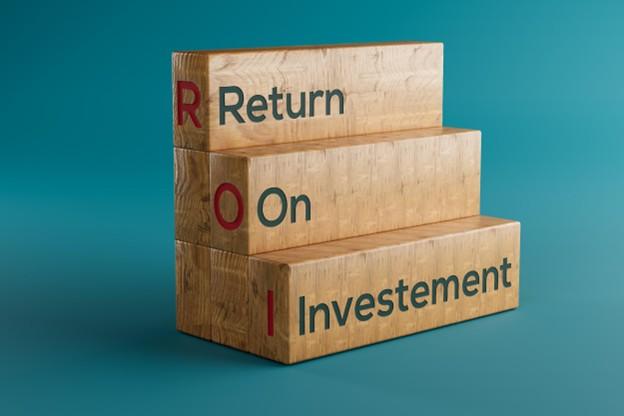
प्रत्येक गुंतवणुकीचा निर्णय एक सामान्य प्रश्न आहेः मला किती परतावा मिळेल? तुम्ही स्टॉक, फिक्स्ड डिपॉझिट, रिअल इस्टेट किंवा विमा-कम-गुंतवणूक वाहनामध्ये गुंतवणूक करीत असाल, अंतिम परिणाम समजून घेणे महत्त्वाचे आहे. तथापि, बहुतांश गुंतवणुकदार वेळेनुसार त्यांची गुंतवणूक कशी कामगिरी करेल हे समजून न घेता केवळ रिटर्नवर लक्ष केंद्रित करतात.
तेथे एक साधी तरीही शक्तिशाली मेट्रिक - रिटर्न ऑन गुंतवणूक (ROI) - चित्रणात येते. हे तुम्हाला विविध संधींची तुलना करण्यास, कामगिरीचे मूल्यांकन करण्यास आणि स्मार्ट फायनान्शियल निवड करण्यास मदत करते. अंदाज घेण्याऐवजी, तुम्ही गुंतवणूक केलेल्याच्या तुलनेत तुम्हाला काय मिळते याचे स्पष्ट चित्र मिळते.
या ब्लॉगमध्ये, आम्ही ROI म्हणजे काय, ROI फॉर्म्युला काय आहे आणि तुमच्या इन्व्हेस्टमेंटच्या रिटर्नचे पूर्व-मूल्यांकन करण्यासाठी तुम्ही त्याचा वापर कसा करू शकता याविषयी चर्चा करू. वाचत राहा.
ROI म्हणजे काय आणि ROI चा फूल फॉर्म काय आहे यावर चर्चा करून सुरू करूया. ROI simply stands for “Return On Investment”. It is a financial metric that measures the profit or loss generated from an investment relative to its cost. It helps you understand how efficiently your investments are generating returns over time.
You can calculate the ROI by dividing the net profit from an investment by its total cost, and then multiplying the result by 100. It is usually expressed as a percentage.
ROI साठी मूलभूत फॉर्म्युला येथे आहे:
ROI = (इन्व्हेस्टमेंटचा निव्वळ नफा / इन्व्हेस्टमेंटची एकूण किंमत) x 100
येथे, इन्व्हेस्टमेंटच्या वर्तमान मूल्यामधून मूळ गुंतवणूक खर्च कपात केल्यानंतर निव्वळ नफा मिळवला जातो.
इन्व्हेस्टर्स त्याच्या सरळता आणि प्रभावीतेमुळे नफ्याचे मूल्यांकन करण्यासाठी ROI चा व्यापकपणे वापर करतात. लक्षात ठेवण्यासाठी काही प्रमुख वैशिष्ट्ये येथे दिली आहेत:
Calculating ROI is easy and straightforward. You can simply use the formula mentioned above to get the result. Here is the step-by-step guide for the same:
Also Read – Where should NRIs invest their money in India?
Return on investment, or ROI, is one of the most widely used financial metrics due to its simplicity and practical value. Individual investors mostly use this metric to evaluate how well their investments are performing. At the same time, businesses rely on ROI to measure profitability and compare different projects or strategies. The added advantage of getting the result as a percentage makes it easy for users to apply this metric across financial decisions.
ROI shows how efficiently an investment generates returns relative to the capital invested. It helps you understand whether the gains justify the amount spent. A higher ROI indicates better performance, while a lower ROI suggests compromised returns. It becomes easy to identify which investments are delivering value and which may need reconsideration.
ROI तुम्हाला सामान्य स्केलवर एकाधिक गुंतवणूक मार्गांची तुलना करण्याची परवानगी देते. ते टक्केवारी म्हणून व्यक्त केले जात असल्याने, तुम्ही इन्व्हेस्टमेंटची रक्कम सारखीच नसली तरीही विविध ॲसेट्सच्या परफॉर्मन्सचे सहजपणे विश्लेषण करू शकता. हे तुम्हाला खर्चाच्या सापेक्ष कोणते इन्स्ट्रुमेंट्स चांगले रिटर्न ऑफर करतात हे ओळखण्याची परवानगी देते आणि त्यानंतर, तुम्हाला अधिक वस्तुनिष्ठ आणि संरचित निर्णय घेण्यास मदत करते.
प्रोजेक्ट, मोहीम किंवा गुंतवणुकीच्या प्रभावीतेचे मूल्यांकन करण्यासाठी व्यवसाय ROI चा वापर करतात. उदाहरणार्थ, कंपन्या विपणन प्रयत्नांमधून किंवा नवीन उपक्रमांमधून निर्माण झालेले रिटर्न मोजू शकतात. हे त्यांना अधिक कार्यक्षमतेने संसाधने वाटप करण्यास आणि उच्च नफा प्रदान करणाऱ्या उपक्रमांवर लक्ष केंद्रित करण्यास मदत करते. अखेरीस, ROI एकूण बिझनेस कामगिरी सुधारण्यास मदत करते.
तसेच वाचा – MLD वर्सिज FD वर्सिज बाँड्स: तुम्ही कुठे गुंतवणूक करावी?
ROI हे व्यापकपणे उपयुक्त फायनान्शियल मेट्रिक असताना, त्यामध्ये काही मर्यादा देखील आहेत. हे पैशांच्या वेळेचे मूल्य विचारात घेत नाही, याचा अर्थ असा की ते विविध कालावधीमध्ये कमावलेल्या रिटर्नला समान मानते. उदाहरणार्थ, एका वर्षात 20% कमावणे पाच वर्षांमध्ये समान रिटर्न कमविण्यापेक्षा खूपच वेगळे आहे.
हे गुंतवणूक किंवा व्यवसायातील जोखीम घटकास देखील दुर्लक्ष करते. दोन इन्व्हेस्टमेंटमध्ये एकच ROI असू शकतो, परंतु एक अधिक रिस्क असू शकते. उदाहरणार्थ, इक्विटी आणि डेब्ट फंडच्या परफॉर्मन्सची केवळ ROI वर आधारित तुलना केली जाऊ शकत नाही, कारण इक्विटी इन्स्ट्रुमेंट्समध्ये जास्त रिस्क असते.
या मर्यादा ऑफसेट करण्यासाठी, तुम्ही रिटर्न दर (आरओआर) सह ROI वापरू शकता. नंतर एका विशिष्ट कालावधीमध्ये इन्व्हेस्टमेंटमधून नफा किंवा तोटा मोजतो.
"चांगला ROI म्हणजे काय" याचे कोणतेही युनिव्हर्सल उत्तर नाही. The criteria may vary based on factors such as the type of investment, industry standards, risk level, and overall market conditions. What may be considered good in one sector may not be the same in another.
For example, a 6% to 8% ROI is generally considered good for risk-free and fixed-income investment instruments. However, for equity-based investments, it often seems unsatisfactory. From such avenues, investors often target an ROI of 12% to 15%. Businesses may aim for even higher ROI, depending on growth expectations and profit margins.
In general, a good ROI is one that aligns with your risk appetite and financial goals.
Also Read – Understanding global investments
ROI ची गणना सामान्यपणे संपूर्ण गुंतवणूक कालावधीमध्ये कमवलेले एकूण रिटर्न म्हणून केली जाते. याचा अर्थ असा की तुम्ही किती काळ गुंतवणूक केली आहे हे विचारात न घेता प्रारंभिक गुंतवणूक खर्चाच्या तुलनेत एकूण लाभ किंवा नुकसान दर्शविते.
तथापि, काही प्रकरणांमध्ये, गुंतवणुकदार वार्षिक ROI वापरतात. हे वार्षिक दर प्रतिबिंबित करण्यासाठी रिटर्न ॲडजस्ट करते, ज्यामुळे विविध कालावधीसाठी असलेल्या इन्व्हेस्टमेंटची तुलना करणे सोपे होते.
इन्व्हेस्टमेंटची एकूण कामगिरी समजून घेण्यासाठी एकूण ROI उपयुक्त आहे, तर कालावधीनुसार अनेक इन्व्हेस्टमेंटची तुलना करण्यासाठी वार्षिक ROI चांगला आहे.
कामगिरी मोजण्यासाठी आणि माहितीपूर्ण फायनान्शियल निर्णय घेण्यासाठी ROI चा वापर सर्व क्षेत्रांमध्ये मोठ्या प्रमाणात केला जातो. येथे काही सामान्य वापर प्रकरणे आहेत:
तसेच वाचा - भारतातील सर्वोत्तम डेब्ट गुंतवणूक पर्याय
ROI व्यतिरिक्त, तुम्ही इन्व्हेस्टमेंटच्या कामगिरीचे मूल्यांकन करण्यासाठी खालील पद्धती वापरू शकता:
It reflects the present value of future cash flows that you will receive from your investment. It uses a “discounting rate” and the concept of the time value to help you evaluate returns at different points in time.
In IRR, the return is calculated excluding external factors such as the inflation rate and bank rate. It allows you to compare different investments through a single percentage metric.
It measures how long it takes to recover the initial investment. The lower the payback period, the better the investment.
It helps you determine whether an investment is worthwhile by comparing its present cost against potential future returns.
Improving ROI requires a combination of smart planning and disciplined execution. Here are some practical ways to enhance your returns:
An online ROI calculator makes it easy to estimate returns without manual calculations. You simply enter the original investment cost and the final value. The tool instantly shows your ROI. It saves time and reduces the chances of errors.
However, ROI alone may not give a complete picture regarding your investment’s performance. It is better to use it alongside other evaluation metrics, such as NPV, IRR, or TVM, to make more informed financial decisions.


 मागील पोस्ट