टाटा कैपिटल > ब्लॉग > प्राइम लेंडिंग दर (PLR): आपके लोन का अर्थ, महत्व और प्रभाव

 08 जुलाई 2026
 पढ़ने में लगने वाला समय - 7 मिनट
 3095
3095

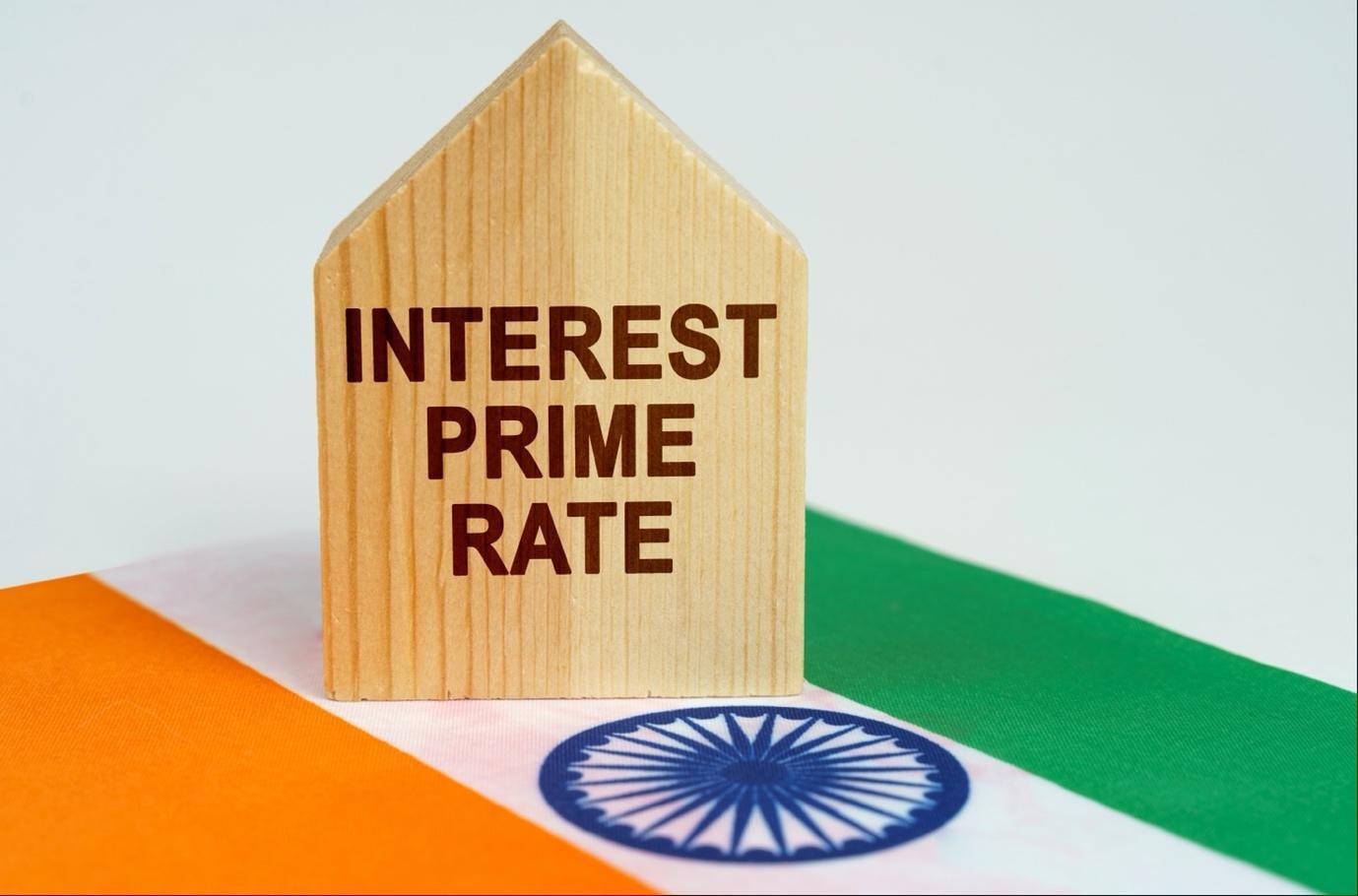
लोन लेते समय सबसे बड़ी चुनौतियों में से एक है उधार देने वाले संस्थानों द्वारा ली जाने वाली उच्च ब्याज दरें. ये ब्याज दरें आपके द्वारा भुगतान किए जाने वाले पैसे को महत्वपूर्ण रूप से बढ़ा सकती हैं और आपके फाइनेंस पर दुर्भाग्यपूर्ण असर डाल सकती हैं.
हालांकि, अगर लोनदाता आपको उच्च क्रेडिट स्कोर और अच्छी वित्तीय प्रोफाइल वाले विश्वसनीय क्लाइंट के रूप में देखते हैं, तो आप बेहतर ब्याज दर पर लोन का लाभ उठा सकते हैं, जिसे प्राइम लेंडिंग दर कहा जाता है.
इस आर्टिकल में प्राइम लेंडिंग दर का अर्थ, इसे प्रभावित करने वाले कारक और यह आपके द्वारा उधार लिए गए लोन को कैसे प्रभावित कर सकता है, के बारे में बताया गया है.
प्राइम लेंडिंग दर (PLR) एक ब्याज दर लेंडिंग संस्थान है, जो अपने लोन प्रॉडक्ट की ब्याज दर निर्धारित करने के लिए बेस के रूप में उपयोग करते हैं.
आप प्राइम ब्याज दर को सबसे कम दर के रूप में परिभाषित कर सकते हैं, जिस पर वित्तीय संस्थान पैसे उधार देते हैं. इसका उपयोग मॉरगेज और पर्सनल लोन जैसे विभिन्न वेरिएबल-दर वित्तीय प्रॉडक्ट के लिए ब्याज दरें सेट करने के लिए रेफरेंस पॉइंट के रूप में किया जाता है.
भारतीय रिज़र्व बैंक (RBI) द्वारा प्रमुख नीतिगत दरों में बदलाव प्राइम लेंडिंग दर को प्रभावित करते हैं.
कमर्शियल वित्तीय संस्थान अपने सबसे क्रेडिट योग्य कस्टमर्स को वेरिएबल-दर पर्सनल और बिज़नेस लोन सहित शॉर्ट-टर्म लोन प्रॉडक्ट पर प्राइम लेंडिंग दरें प्रदान करते हैं.
प्राइम लेंडिंग ब्याज दर से लाभ उठाने वाले उपभोक्ताओं में ऐसे लोग शामिल हैं जिनके पास:
Conversely, consumers with a low credit score or a higher perceived risk may be charged a higher interest rate by lenders.
Prime lending rates in India are set according to the RBI guidelines. The RBI sets the base rate below which no lending institution can set its prime rate. The prime rate for a particular financial institution is set by its management according to various factors such as funding costs and operating expenses.
Various other factors, such as market conditions, inflation rates, global economic conditions, and currency exchange rates, can also impact the prime lending rate in India.
All these factors, in combination, determine the spread, which is the additional cost lenders consider beyond the Repo Rate. The prime lending rate added to the spread determines the interest rate for consumers.
Changes in the prime rate do not affect existing loans or lines of credit with fixed interest rates. This includes loans like student loans and mortgages, as well as credit cards issued with fixed rates.
The prime lending interest rate serves as a benchmark for lending rates, and it may affect personal loan interest rates. An increase in the prime lending rate may also increase personal loan interest rates, increasing the loan repayment amount.
Changes in the prime lending rate can thus affect the affordability and cost of borrowing these loans.
The base rate, introduced in July 2010, is the minimum interest rate set by the RBI for giving out loans. RBI controls the base rate to enhance transparency, keep the economy in check, and ensure that consumers are not charged discriminately.
The following table illustrates the differences between the prime lending rate and the base rate:
| फीचर्स | Prime lending rate | आधार दर |
| उद्देश्य | Serves as a reference point for financial institutions to set interest rates on loans for their most creditworthy consumers | Serves as a benchmark for financial institutions to calculate interest rates for various loans |
| Determinant | Influenced by changes in the RBI’s policy rates, credit risk, and market conditions | Influenced by the RBI’s monetary policy, economic conditions, and cost of funds |
| फ्लेक्सिबिलिटी | Typically set by the lending institutions as a fixed percentage above the RBI’s policy rate | Lending institutions are allowed to add a spread to the base rate to calculate the actual lending rate |
| उपयोग किया गया | Primarily used for loans offered to the most creditworthy consumers | Used for a wide range of loans, such as housing loans and MSME loans |
| लोन योग्यता | Directly influences the interest costs of the most creditworthy consumers for loans with a prime interest rate | Influences interest costs for loans with variable interest rates tied to the base rate |
| पारदर्शिता | Provides a transparent benchmark for certain interest rates | Increases transparency in lending rates and ensures fair pricing |
| Adjustment frequency | Adjusted by lending institutions in response to changes in market conditions and the RBI’s policy rates | Adjusted by lending institutions according to changes in the economic conditions and the RBI’s policy rates |
| को नियंत्रित करने में महत्वपूर्ण भूमिका निभाता है | Regulatory scrutiny ensures transparency and prevents discriminatory lending practices | Regulatory oversight ensures fair lending practices and adherence to RBI guidelines |
| Risk considerations | Considers the credit risk of lending funds to the most creditworthy consumers | Considers the overall economic risk and cost of funds for financial institutions |
In India, the PLR rate does not change on fixed dates. Banks update their PLR after reviewing market conditions, changes in funding costs, and the RBI’s policy. When interest rates in the economy rise or fall, banks may revise their PLR accordingly. Usually, these changes occur a few times a year, but there is no schedule. If inflation increases or the RBI changes its policy rates, banks may adjust the PLR to protect their margins.
Today, many new loans are linked to MCLR or external benchmarks. Thus, the impact of PLR rate changes is on older loans and some specific lending products.
भारत में लोन लेने से पहले, PLR दर, रेपो-लिंक्ड दर और MCLR के बीच अंतर को समझना महत्वपूर्ण है. प्रत्येक आपकी ब्याज लागत को अलग-अलग रूप से प्रभावित करता है.
When it comes to understanding which loan is best for you, repo-linked ones can be a good choice. They offer faster benefits during rate cuts. MCLR is the next best option, while PLR is suitable only for older loans.
The following simple tips can help to get loan offers below the PLR rate in India:
Understanding the meaning of the prime interest rate can help you gain an edge in securing loans. With a good credit score and financial profile, you can get loans at better interest rates than the general populace and fulfill your financial dreams, like buying a new bike.
Finance your goals today with Tata Capital’s finance for two-wheeler. Utilize our easy-to-use online Bike EMI calculator to calculate your potential monthly EMIs in advance.
To learn more, check the Tata Capital website or download the app.
ब्याज दर वह प्रतिशत है जो यह निर्धारित करता है कि आप मूल राशि के अलावा लोन पर कितना ब्याज देंगे. दूसरी ओर, प्राइम दर वित्तीय संस्थानों द्वारा लोन प्रोडक्ट की ब्याज दरों को निर्धारित करने के लिए इस्तेमाल की जाने वाली बेस ब्याज दर है.
प्राइम दर की गणना आम तौर पर फेडरल फंड दर में 3.0 प्रतिशत जोड़कर की जाती है. भारत में, फंड आधारित लेंडिंग दरों (MCLR) या रेपो दर की मार्जिनल लागत का उपयोग आमतौर पर प्राइम दर के बजाय लेंडिंग दरों को सेट करने के लिए बेंचमार्क के रूप में किया जाता है. रेपो दर RBI द्वारा निर्धारित की जाती है, जबकि MCLR की गणना लोन अवधि और लेंडिंग संस्थान की फंड की लागत के अनुसार की जाती है.
भारत में मुख्य उधार दर भारतीय रिजर्व बैंक (RBI) द्वारा निर्धारित की जाती है. न्यूनतम दरें निर्धारित करके, RBI अर्थव्यवस्था को नियंत्रित रखता है और यह सुनिश्चित करता है कि सभी ग्राहकों के साथ उचित व्यवहार किया जाए.
बैंकिंग में, PLR का पूरा नाम प्राइम लेंडिंग दर है. यह वह ब्याज दर है जो बैंक तब शुल्क करते हैं जब उनके सबसे विश्वसनीय और कम रिस्क वाले ग्राहक लोन लेते हैं. यह विभिन्न लोन पर ब्याज दरें सेट करने के लिए रेफरेंस दर के रूप में कार्य करता है.
पहले, भारतीय रिज़र्व बैंक (RBI) ने PLR दिशानिर्देशों को प्रभावित किया था. अब, व्यक्तिगत बैंक फंडिंग लागत, ऑपरेटिंग खर्च और रिस्क के आधार पर अपना PLR निर्धारित करते हैं. वे मार्केट की स्थितियों, बिज़नेस की आवश्यकताओं और प्रतिस्पर्धा पर भी विचार करते हैं.
अधिकांश लोन की ब्याज दर PLR दर से जुड़ी होती है. इस प्रकार, जब PLR बढ़ता है, तो होम और पर्सनल लोन की EMI भी बढ़ जाती है. इसी प्रकार, जब PLR कम हो जाता है, तो होम और पर्सनल लोन के लिए EMI कम हो जाती है.
PLR एक पुरानी बेंचमार्क दर है, मुख्य रूप से मौजूदा लोन के लिए. MCLR बैंकों के लिए फंड की वास्तविक लागत से जुड़ा एक नया, अधिक पारदर्शी सिस्टम है. यह ब्याज दरों में बदलावों पर तेजी से प्रतिक्रिया देता है.
हां, NBFC और बैंकों की अलग-अलग PLR दरें हो सकती हैं. ऐसा इसलिए है क्योंकि वे फंड की लागत, रिस्क प्रोफाइल, ऑपरेटिंग खर्च, बिज़नेस मॉडल और मार्केट पोजीशन के आधार पर अपना PLR सेट करते हैं.


 पिछली पोस्ट