Tata Capital > Blog > What is an operating lease? Key features & benefits

 30 జూన్ 2026
 7 నిమిషాలల్లో చదవవచ్చు
 3460
3460

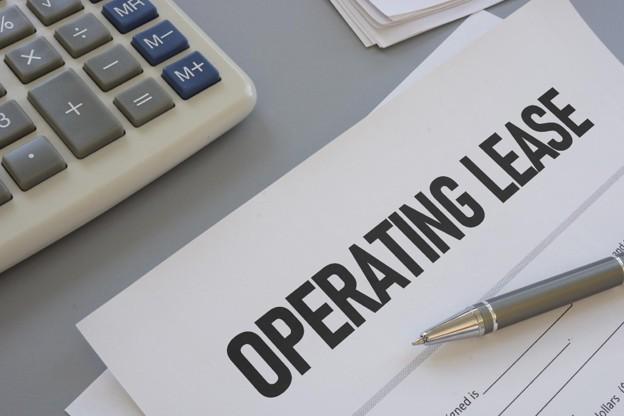
An operating lease is a rental agreement that allows a business to temporarily use an asset without transferring ownership. It is suited for short to medium-term renting. The ownership rights remain with the asset’s owner or the lessor in the agreement. The risks and rewards also belong to the lessor. The lessee or business entity renting the asset considers the periodic payments as direct operating expenses. You can use an operating lease when you need assets for a short period or when the assets require frequent upgrades.
An operating lease refers to a contract that grants a business the right to use an asset for a specified period without transferring ownership rights of the asset to the business.
An operating lease is a short-to-medium term lease agreement in which a business (the lessee) is permitted to use an asset without becoming its owner. The asset’s ownership remains with the lessor, who leases it out for a fixed period in return for regular payments. The lease is commonly used for vehicles, machinery, equipment, and office assets that businesses may not want to purchase outright.
This guide can help you understand what an operating lease is, how it works, and if it is suitable for your business. It covers the key features of an operating lease, its accounting treatment, how it differs from a finance lease, and its main benefits.
Also Read – Operating Lease vs Finance Lease
An operating lease is a rental agreement that businesses can use to temporarily use an asset (short- to medium-term) without owning it. The asset remains the property of the lessor, who grants usage rights in exchange for lease payments. It differs from a purchase or finance lease because ownership is not transferred to the lessee. At the end of the lease term, the asset is usually returned to the lessor.
An operating lease is common for the use of vehicles, office space, machinery, and IT equipment. It helps businesses access assets without making a large upfront investment.
Along with the operating lease’s meaning, it is vital to understand its key features:
ఇవి కూడా చదవండి – లీజు రెంటల్ డిస్కౌంట్
In an operating lease, the lessor purchases and retains ownership of the asset. The lessee pays regular rental payments to use it for an agreed period. In many cases, the responsibility for major maintenance lies with the lessor. The lessor also bears the risk of the asset becoming outdated.
Here’s the step-by-step lifecycle:
Read More – Equipment Lease Financing vs Equipment Loan
Understanding what an operating lease is can get easier with the following operating lease example.
Suppose a logistics company in India needs delivery vans but does not want to buy them. It can enter into an operating lease for 3 years and pay Rs. 35,000 per month for each van. The estimated useful life of the vans is around 8 years, so the lease period is only for a part of their life. At the end of the 3-year term, the company returns the vans to the lessor or renews the lease. The ownership remains with the lessor throughout.
Under Ind AS 116, the lessee recognizes almost all leases on the balance sheet. It includes operating leases, too. The lessee records a Right-of-Use (ROU) asset representing the right to use the asset and a lease liability representing future lease payment obligations. Over time, the ROU asset depreciates, and interest accrues on the lease liability.
Lessors must understand the differences between an operating and a finance lease. In an operating lease, the lessor keeps the asset on its books and recognizes lease income over the lease term.
ఆపరేటింగ్ మరియు ఫైనాన్స్ లీజులు ఒకదానికొకటి ఎలా భిన్నంగా ఉంటాయో ఈ క్రింది పట్టిక హైలైట్ చేస్తుంది:
| ఆధారంగా | ఆపరేటింగ్ లీజ్ | ఫైనాన్స్ లీజ్ |
| యాజమాన్యం | లీజ్ అవధి అంతటా యాజమాన్యం తక్కువతో ఉంటుంది. | లీజు ముగింపులో యాజమాన్యం లీజుదారునికి బదిలీ చేయవచ్చు, లేదా లీజు కొనుగోలు వంటి నిర్మాణాత్మకంగా ఉండవచ్చు. |
| లీజ్ టర్మ్ | ఆస్తి యొక్క ఉపయోగకరమైన జీవితంలో ఒక భాగాన్ని మాత్రమే కవర్ చేస్తుంది. | సాధారణంగా ఆస్తి యొక్క ఉపయోగకరమైన జీవితాన్ని ఎక్కువగా లేదా అన్నింటినీ కవర్ చేస్తుంది. |
| రిస్క్ మరియు రివార్డులు | యాజమాన్యం యొక్క ప్రధాన ప్రమాదాలు మరియు రివార్డులు పాఠకుల వద్ద ఉంటాయి. | యాజమాన్యం యొక్క చాలా రిస్కులు మరియు రివార్డులు లీజీకి బదిలీ చేయబడతాయి. |
| అసెట్ రిటర్న్ | సాధారణంగా లీజ్ చివరిలో ఆస్తి లేజర్కు తిరిగి ఇవ్వబడుతుంది. | The asset is often purchased by or transferred to the lessee. |
| సౌలభ్యం | It is usually more flexible and may be canceled with notice. | It is typically less flexible and more difficult to cancel. |
| నిర్వహణ బాధ్యత | Often handled by the lessor, depending on the agreement. | Usually borne by the lessee. |
| Residual value risk | Remains with the lessor. | Usually borne by the lessee. |
| Typical use | Vehicles, office space, IT equipment, and short-term asset needs. | Expensive machinery, equipment, and long-term asset financing. |
ఒక ఆపరేటింగ్ లీజ్ బిజినెస్ ఫ్లెక్సిబిలిటీ, తక్కువ ముందస్తు ఖర్చులు మరియు వాటిని కొనుగోలు చేయకుండా ఆస్తులకు యాక్సెస్ వంటి వివిధ ప్రయోజనాలను అందిస్తుంది. అయితే, దీనికి కొన్ని ప్రతికూలతలు కూడా ఉన్నాయి. వీటిలో యాజమాన్యం లేకపోవడం మరియు కొనసాగుతున్న అద్దె చెల్లింపులు ఉంటాయి. ప్రయోజనాలు మరియు పరిమితులను అర్థం చేసుకోవడం అనేది వ్యాపారాలకు సరైన లీజింగ్ ఎంపికను ఎంచుకోవడానికి సహాయపడగలదు. దానిని తెలుసుకుందాం.
ఆపరేటింగ్ లీజ్ యొక్క ప్రయోజనాలు ఈ క్రింది విధంగా ఉన్నాయి:
Here are the disadvantages of an operating lease:
Read More – Leasing vs Buying a Car in India
A business should use an operating lease when it needs flexibility and does not want to own an asset for its entire useful life.
You must consider an operating lease if:
An operating lease is a flexible way for businesses to use assets without purchasing them outright. It can help reduce upfront costs, preserve working capital, and provide easier access to newer equipment. However, businesses should also consider that they do not gain ownership and may pay more over the long term than if they had bought the asset. Before choosing an operating lease, you must understand the benefits of flexibility against the potential long-term costs and business needs.

జరిమానా ఛార్జీల అర్థం - లోన్లలో జరిమానా వడ్డీ రేట్లు మరియు ఛార్జీలు ఏమిటి?

ఆన్లైన్లో PAN కార్డ్ పై యాక్టివ్ లోన్ను ఎలా తనిఖీ చేయాలి?
బుక్ విలువ అంటే ఏమిటి? అర్థం, ప్రయోజనాలు మరియు దానిని ఎలా లెక్కించాలి?

ఇ-మ్యాండేట్ అంటే ఏమిటి? అర్థం, ప్రాసెస్ మరియు ఛార్జీలు వివరించబడ్డాయి

బ్యాంకింగ్లో DSA: పూర్తి రూపం, అర్థం, రిజిస్ట్రేషన్ మరియు పాత్ర

లోన్ షార్క్ అంటే ఏమిటి? నిర్వచనం, వ్యాపారంలో అర్థం మరియు రిస్కులు

సబ్సిడీ అంటే ఏమిటి: అర్థం, రకాలు, కేటగిరీలు మరియు వ్యాపార పథకాలు

భారతదేశంలో పన్ను మినహాయింపు మరియు పన్ను మినహాయింపు మధ్య తేడా

వెస్ట్ బెంగాల్ స్టూడెంట్ క్రెడిట్ కార్డ్ (WBSCC) స్కీమ్: మీరు తెలుసుకోవలసినది అంతా


 మునుపటి పోస్ట్