Tata Capital > Blog > Loan for Business > What is a GECL loan? Full form, benefits, eligibility, and key details

 18 ಫೆಬ್ರವರಿ 2026
 10 ನಿಮಿಷಗಳ ಓದು
 1581
1581

When the COVID-19 pandemic brought the world to a standstill, certain businesses struggled badly. Their cash flows dried up, but expenses didn’t. Even a business loan could not help, as they were already scrambling to repay existing debts. This is when the GECL loan scheme came as a lifesaver. It prevented hundreds of Indian businesses from going bankrupt during the difficult period from 2020 to 2023.
Keep reading to understand the GECL scheme in detail, its key objectives, features, benefits, eligibility criteria, and more.
The GECL full form is Guaranteed Emergency Credit Line. It falls under the Government of India’s Emergency Credit Line Guarantee Scheme (ECLGS) and was launched in 2020 to support Micro, Small and Mid-sized Enterprises (MSMEs) affected by financial disruptions caused by the COVID-19 pandemic.
Under the GECL loan scheme, eligible businesses can avail of an additional credit facility to meet their day-to-day expenses. Unlike conventional business loans, GECL loans do not require any collateral or third-party guarantee. They are fully backed by a 100% government guarantee.
The GECL scheme was first launched in May 2020. That was the time when businesses across India were grappling with an unprecedented economic slowdown caused by the COVID-19 pandemic. However, as time passed and the scenarios changed, the government kept the provisions of the scheme. It expanded the scope of coverage, increased loan limits, and redefined eligibility guidelines.
These changes were not cosmetic; they were driven by real feedback from businesses that needed longer support to recover, stabilize operations, and regain confidence.
Below is a clear timeline of the different versions of the GECL loan scheme and how each one adapted to changing ground realities:
GECL 1.0 was the original version introduced in May 2020 to provide immediate relief to MSMEs. Under this phase, eligible businesses could avail of additional credit up to 20% of their outstanding loan (as on 29 February 2020), subject to a limit of Rs. 50 crores. The loans were fully guaranteed by the government, carried subsidized interest rates, and came with a moratorium period.
As economic disruptions lasted longer than expected, the government slightly modified the original GECL 1.0 scheme to ensure more businesses can benefit from it. Under the GECL 1.0 Extended Version, eligible businesses were allowed to avail of additional credit of up to 30% of their outstanding loan (as on 29 February 2020 or 31 March 2021), subject to a limit of Rs. 50 crores.
The government introduced the second phase of the GECL scheme, GECL 2.0, to extend financial support to larger stressed businesses. These included MSMEs in 26 worst-hit sectors due to the pandemic, including hospitality, travel, and tourism. Under GECL 2.0, eligible businesses could avail of additional credit of up to 30% of their outstanding loan (as on 29 February 2020), subject to a limit of Rs. 500 crores.
The extended version of GECL 2.0 further relaxed eligibility norms and timelines. It was designed to include more MSMEs that continued to struggle after the second wave of the pandemic. The loan limits, however, remained the same. Under the GECL 2.0 Extended Version, eligible businesses could avail of additional credit of up to 30% of their outstanding loan (as on 29 February 2020 or 31 March 2021), subject to a limit of Rs. 500 crores.
In the third phase of the GECL scheme, the government shifted its focus towards specific high-impact sectors, including civil aviation, hospitality, tourism, and healthcare. Loan limits were enhanced to up to 50% of outstanding credit (as on 29 February 2020), subject to a limit of Rs. 200 crores. The objective here was to ensure not just the survival but the revival of businesses.
The extended version of the third phase of the scheme continued to cover the same sectors. However, the maximum loan limits were increased. Under the GECL 3.0 Extended Version, eligible businesses in the civil aviation sector were allowed to avail of additional credit of up to 50% of their outstanding credit (as on 29 February 2020, 31 March 2021, or 31 January 2022), subject to a limit of Rs. 400 crores.
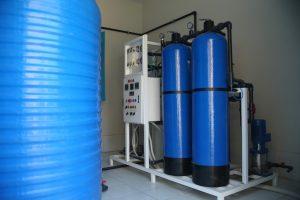
The government launched the fourth and final phase of the GECL loan scheme on 31 May 2021. It focused on providing small-ticket loans to specific enterprises in the healthcare sector. Under GECL 4.0, collateral-free loans of up to Rs. 2 crores were offered to nursing homes, hospitals, private clinics, and medical colleges for the installation of oxygen-producing plants. The scheme also covered MSMEs engaged in the manufacturing of liquid oxygen and oxygen cylinders.
The GECL scheme was introduced specifically to help struggling MSMEs in India due to the COVID-19 pandemic. It was designed to ensure quick and affordable access to finances for small businesses during difficult times. Due to the lockdown and resulting revenue losses, several enterprises faced a severe cash crunch and struggled to pay salaries, rent, and day-to-day expenses.
GECL loans were designed to remove the usual hurdles that small businesses face while borrowing money. During uncertain times of the COVID-19 pandemic, they needed access to funding that was reliable, affordable, and easy to get. GECL loans aimed to address all such needs. From being collateral-free to offering flexible repayment terms, they can help businesses fulfill cash flow gaps without adding unnecessary financial pressure.
Below are the key features and benefits that make GECL loans different from regular business loans:
One of the major benefits of GECL loans is that they do not require any collateral or third-party guarantor. It means that eligible business owners can avail of these loans without pledging their personal or professional assets. The loan is completely backed by the Government of India, giving lenders the assurance of repayment.
As mentioned, GECL loans come with a 100% government guarantee. This significantly reduces the risk for lending partners. In case a borrower defaults on loan repayment, the government will pay for the losses. For businesses, this means faster access to funds and less stress about meeting strict lending criteria.
GECL loans are offered with extended tenures and flexible repayment terms. Eligible enterprises can avail of working capital loans with repayment tenures of up to five years. Additionally, they can enjoy a one-year moratorium on the repayment of the principal amount. This flexibility helps businesses stabilize cash flow first and begin repayments only when revenues improve.
GECL loans are offered at lower and capped interest rates compared to regular business loans. This is possible because these loans are government-backed and are disbursed through authorized channels only. Lower borrowing costs ensure that interest payments do not eat into already limited profits of struggling MSMEs.
Another major advantage of a GECL loan is that the borrowers are not required to pay any guarantee fee to get access to finances. Additionally, there are no pre-payment penalties. It means that the borrowing MSME can even repay the loan early if its financial situation improves, without incurring any additional charges.
As mentioned, GECL loans typically come with subsidized and capped interest rates to ensure cost-effective borrowing for struggling MSMEs. The exact interest rate may vary based on multiple factors, including the lender’s policies, the borrower’s credit profile, and the type of institution offering the loan.
As per the GECL loan guidelines, the interest rates for loans offered under GECL 1.0 to GECL 3.0 were linked to the RLLR (Repo-Linked Lending Rate) or MCLR (Marginal Cost of Funds-Based Lending Rate). There was a capping of 9.25% for banks and 14% for non-banking financial institutions. The interest rates for loans offered under GECL 4.0 are capped at 7.5%.
Since GECL loans are designed to support struggling MSMEs in India, they are offered with simple eligibility criteria. Typically, the business must fall within the prescribed turnover limits and should not have been classified as non-performing assets as of the cut-off date.
The detailed GECL loan eligibility criteria are as follows:
The maximum loan amount available under the GECL scheme depends on the type of business and the respective scheme version. For example, eligible beneficiaries under GECL 1.0 were allowed to borrow up to 20% of their outstanding loan, subject to a maximum of Rs. 50 crores.
The table below depicts the maximum loan amount available under each phase of the GECL scheme:
| GECL PHASE | ಗರಿಷ್ಠ ಲೋನ್ ಮೊತ್ತ |
| GECL 1.0 | ₹10 ಕೋಟಿ |
| GECL 1.0 (Extension) | ₹15 ಕೋಟಿ |
| GECL 2.0 | ₹150 ಕೋಟಿ |
| GECL 2.0 (Extension) | ₹150 ಕೋಟಿ |
| GECL 3.0 | ₹100 ಕೋಟಿ |
| GECL 3.0 (Extension) | ₹200 ಕೋಟಿ |
| GECL 4.0 | ₹2 ಕೋಟಿ |
To ensure business continuity, GECL loans are offered through an automatic mechanism. It means that the borrower is not required to apply for the credit separately. If eligible, the Member Lending Institution (MLI), which can be a bank or an NBFC, sends an offer letter to the borrower to provide additional credit under the GECL scheme. The borrower can choose to accept or reject the offer.
In case a business wants to accept the offer, here are the steps it can follow:
Since GECL loans are provided as top-ups over existing loans, they involve minimal documentation.
The documents required typically include:
The GECL loan scheme was initially introduced to provide additional funding to struggling businesses during the COVID-19 pandemic. With features such as collateral-free borrowing, government-backed guarantees, affordable interest rates, and flexible repayment terms, it helped many MSMEs stay afloat amid the difficult period.
Later, the GECL scheme evolved to provide small-ticket loans to enterprises in specific sectors. The last date for sanctioning and disbursing funds under GECL 4.0 was 30 June 2023. In case you have already availed of a GECL loan, it’s imperative to use the funds wisely and follow the original repayment structure. For any help or queries, you can contact your lending partner.


 ಹಿಂದಿನ ಪೋಸ್ಟ್