ಟಾಟಾ ಕ್ಯಾಪಿಟಲ್ > ಬ್ಲಾಗ್ > ವೆಲ್ತ್ ಸೇವೆಗಳು > ಹಣಕಾಸು ವರ್ಷ 2026-27 (ಎವೈ 2027-28) ಗಾಗಿ ಭಾರತದಲ್ಲಿ ಇನ್ಕಮ್ ಟ್ಯಾಕ್ಸ್ ಶ್ರೇಣಿಗಳು ಮತ್ತು ದರಗಳು

 10 ಮಾರ್ಚ್ 2026
 18 ನಿಮಿಷಗಳ ಓದು
 3064
3064

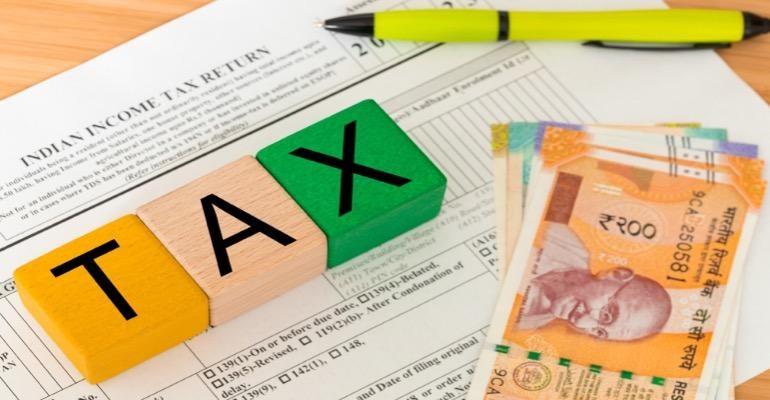
ಭಾರತದ ಹಣಕಾಸು ಸಚಿವ, ಶ್ರೀಮತಿ ನಿರ್ಮಲಾ ಸೀತಾರಾಮನ್, 2026 ಫೆಬ್ರವರಿ 2027 ರಂದು ಬಜೆಟ್ 1-2026 ಅನ್ನು ಪ್ರಸ್ತುತಪಡಿಸಿದರು. ಇದು ಸತತ ಒಂಬತ್ತು ವರ್ಷಗಳವರೆಗೆ ಕೇಂದ್ರ ಬಜೆಟ್ ಮಂಡಿಸಿದ ಮೊದಲ ಭಾರತೀಯ ಹಣಕಾಸು ಸಚಿವರನ್ನಾಗಿ ಮಾಡಿತು. ಬಜೆಟ್ನಲ್ಲಿನ ಪ್ರಕಟಣೆಗಳು ಮತ್ತು ತಿದ್ದುಪಡಿಗಳು 2026-27 ಹಣಕಾಸು, ಆರ್ಥಿಕ ವರ್ಷಕ್ಕೆ 1 ಏಪ್ರಿಲ್ 2026 ರಿಂದ ಅನ್ವಯವಾಗುತ್ತವೆ.
ಸರ್ಕಾರವು ನಿಗದಿಪಡಿಸಿದ ಇನ್ಕಮ್ ಟ್ಯಾಕ್ಸ್ ಶ್ರೇಣಿಗಳು ಬಜೆಟ್ನ ನಿರ್ಣಾಯಕ ಅಂಶವಾಗಿದೆ. ಈ ಸ್ಲ್ಯಾಬ್ಗಳು ಸ್ಥಿರ ಆದಾಯದ ಶ್ರೇಣಿಗಳಾಗಿವೆ, ಪ್ರತಿಯೊಂದಕ್ಕೂ ಬೇರೆ ದರದಲ್ಲಿ ತೆರಿಗೆ ವಿಧಿಸಲಾಗುತ್ತದೆ. 2026-27 ಬಜೆಟ್ ಪ್ರಸ್ತುತ ಇನ್ಕಮ್ ಟ್ಯಾಕ್ಸ್ ಶ್ರೇಣಿಗಳನ್ನು ಬದಲಾಯಿಸಿಲ್ಲ.
ಈ ಲೇಖನವು ಹಣಕಾಸು ವರ್ಷ 2026-27 ಕ್ಕೆ ಆದಾಯ ತೆರಿಗೆ ಶ್ರೇಣಿಗಳು ಮತ್ತು ಹೊಸ ಮತ್ತು ಹಳೆಯ ವ್ಯವಸ್ಥೆಗಳ ಅಡಿಯಲ್ಲಿ ತೆರಿಗೆ ದರಗಳ ಬಗ್ಗೆ ಎಲ್ಲಾ ಅಗತ್ಯ ಮಾಹಿತಿಯನ್ನು ಒದಗಿಸುತ್ತದೆ.
ಹೊಸ ಟ್ಯಾಕ್ಸ್ ವ್ಯವಸ್ಥೆಯ ಅಡಿಯಲ್ಲಿ ಮೂಲ ವಿನಾಯಿತಿ ಮಿತಿ ₹ 4 ಲಕ್ಷ ಆಗಿರುತ್ತದೆ, ಅಂದರೆ ಈ ಮಿತಿಯವರೆಗಿನ ಆದಾಯವು ಟ್ಯಾಕ್ಸ್ ರಹಿತವಾಗಿದೆ. ಸಂಬಳ ಪಡೆಯುವ ತೆರಿಗೆದಾರರು ರೂ. 75,000 ಸ್ಟ್ಯಾಂಡರ್ಡ್ ಕಡಿತವನ್ನು ಪಡೆಯುತ್ತಾರೆ. ಇದಲ್ಲದೆ, ₹ 60,000 ರ ಸೆಕ್ಷನ್ 87a ಅಡಿಯಲ್ಲಿ ರಿಯಾಯಿತಿಯು ನಿಮ್ಮ ನಿವ್ವಳ ಟ್ಯಾಕ್ಸ್ ವಿಧಿಸಬಹುದಾದ ಆದಾಯವು ₹ 12 ಲಕ್ಷದವರೆಗೆ ಇದ್ದರೆ, ನೀವು ರಿಯಾಯಿತಿಯ ನಂತರ ಶೂನ್ಯ ತೆರಿಗೆಯನ್ನು ಪಾವತಿಸುತ್ತೀರಿ (ಪ್ರಮಾಣಿತ ಕಡಿತದೊಂದಿಗೆ ₹ 12.75 ಲಕ್ಷದವರೆಗೆ). ಮಧ್ಯಮ-ಆದಾಯ ಗಳಿಸುವವರಿಗೆ ರಿಯಾಯಿತಿ ಪ್ರಯೋಜನಗಳಲ್ಲಿ ಹೆಚ್ಚಳ, ಏಕೆಂದರೆ ಅವರು ಕಡಿಮೆ ತೆರಿಗೆ ದರಗಳು ಮತ್ತು ಅನೇಕ ಕಡಿತಗಳ ಅಗತ್ಯವಿಲ್ಲದೆ ಹೆಚ್ಚಿನ ತೆರಿಗೆ-ಮುಕ್ತ ಮಿತಿಯನ್ನು ಪಡೆಯುತ್ತಾರೆ.
| ತೆರಿಗೆ ವಿಧಿಸಬಹುದಾದ ಆದಾಯ (ರೂ.) | ತೆರಿಗೆ ದರ |
| 4 ಲಕ್ಷದವರೆಗೆ | ಶೂನ್ಯ |
| 4 ಲಕ್ಷದಿಂದ 8 ಲಕ್ಷದವರೆಗೆ | 5% |
| 8 ಲಕ್ಷದಿಂದ 12 ಲಕ್ಷದವರೆಗೆ | 10% |
| 12 ಲಕ್ಷದಿಂದ 16 ಲಕ್ಷದವರೆಗೆ | 15% |
| 16 ಲಕ್ಷದಿಂದ 20 ಲಕ್ಷದವರೆಗೆ | 20% |
| 20 ಲಕ್ಷದಿಂದ 24 ಲಕ್ಷದವರೆಗೆ | 25% |
| 24 ಲಕ್ಷಕ್ಕಿಂತ ಹೆಚ್ಚು | 30% |
For FY 2026-27, taxpayers continue to enjoy the basic exemption limit of Rs. 2.5 lakh under the old tax regime. The standard deduction is Rs. 50,000. Many other deductions, such as Section 80C, home loan interest, HRA, health insurance premiums, etc., which help reduce taxable income, are also permitted. This regime benefits people who claim high deductions and investments, as they can save more on tax liability.
| ತೆರಿಗೆ ವಿಧಿಸಬಹುದಾದ ಆದಾಯ (ರೂ.) | ತೆರಿಗೆ ದರ |
| 2.5 ಲಕ್ಷದವರೆಗೆ | ಶೂನ್ಯ |
| 2.5 ಲಕ್ಷದಿಂದ 5 ಲಕ್ಷದವರೆಗೆ | 5% |
| 5 ಲಕ್ಷದಿಂದ 10 ಲಕ್ಷದವರೆಗೆ | 20% |
| 10 ಲಕ್ಷಕ್ಕಿಂತ ಹೆಚ್ಚು | 30% |
The old and new tax regimes are different in many ways. The new tax regime has lower tax rates but fewer deductions. The old tax regime has higher rates but allows many deductions, including 80C, HRA, and home loan interest. The standard deduction is higher under the new regime, making it simple for most salaried taxpayers.
| ವೈಶಿಷ್ಟ್ಯ | ಹೊಸ ತೆರಿಗೆ ವ್ಯವಸ್ಥೆ | Old tax regime |
| ತೆರಿಗೆ ದರಗಳು | ಲೋವರ್ | ಹೆಚ್ಚಿನ |
| ಕಡಿತಗಳು | ಅನುಮೋದಿಸಿದ್ದೇವೆ | Many |
| Standard deduction | Rs.75,000 | ₹50,000 |
| Basic exemption limit | ₹4 ಲಕ್ಷದವರೆಗೆ | ₹2.5 ಲಕ್ಷದವರೆಗೆ |
| Tax filing procedure | ಸರಳಗೊಳಿಸಲಾಗಿದೆ | Tedious |
| Best For | Fewer investments | High deductions |
The new regime is better if you have fewer deductions and want simplicity. The old regime is better if you claim large deductions. You must calculate tax under both regimes and choose to file income tax returns under the regime with the lower tax burden.
The new tax regime is suitable for people who want lower tax rates and a simple tax filing process. It is best for salaried employees, young earners, and those who don’t claim many deductions or exemptions. It reduces paperwork and makes tax calculation easier.
The major differences between the two are:
All in all, you should opt for the new tax regime slabs if you have fewer investments and deductions, or when your annual income is Rs. 12.75 lakh, and you can use the standard deduction and Section 87A rebate to make your tax liability zero.
The old tax regime is best for people who use many deductions to reduce tax. It helps those who invest and claim exemptions.
You should choose the old regime tax slab if you fall under the following categories:
If your total deductions are high, the old tax regime slabs usually result in lower tax payable.
An annual income of up to Rs. 12 lakh is effectively tax-free under the new tax regime (FY 2026-27). It is because of the Section 87A rebate of up to Rs. 60,000, which reduces your tax liability to zero. Salaried people also get a standard deduction of Rs. 75,000, so their salary up to Rs. 12.75 lakh can be tax-free after deduction and rebate.
This means most middle-income taxpayers pay no tax if their taxable income is within this limit. However, if income exceeds this level, the normal new regime tax slab rates apply. The higher rebate and deduction make the new regime more beneficial for many salaried individuals.
Income up to Rs. 12 lakh is tax-free under the new tax regime due to a rebate under Section 87A. If your taxable income is Rs. 12 lakh or less, the government gives a rebate of Rs. 60,000 that reduces your tax liability to zero. Earlier, this rebate was Rs. 25,000 if the taxable income was Rs. 7 lakh or less.
The tax amount on Rs. 12 lakh as per the new tax regime slabs is Rs. 60,000. Subtracting the Section 87A rebate, the total tax payable becomes zero. Hence, income up to Rs. 12 lakh can be tax-free under the new tax regime.
The following example outlines the tax calculation for an annual income of Rs. 12 lakh under the new tax regime.
| Slab | ತೆರಿಗೆ ದರ | ಮೊತ್ತ (ರೂ.) |
| 4 ಲಕ್ಷದವರೆಗೆ | 0% | 0 |
| 4 lakh to 8 lakh (4,00,000) | 5% | 20,000 |
| 8 lakh to 12 lakh (3,25,000) | 10% | 32,500 |
| ಒಟ್ಟು ತೆರಿಗೆ | 52,500 | |
| ಸೆಕ್ಷನ್ 87ಎ ರಿಯಾಯಿತಿ | (52,500) | |
| Final tax payable | 0 |
If you want to calculate income tax on your salary, here’s the step-by-step process you must follow:
Here’s the tax calculation for an annual income of Rs. 10 lakh under both regimes.
| Latest tax slabs in India | Tax liability (Rs.) | |
| 4 ಲಕ್ಷದವರೆಗೆ | Rs. 4,00,000 at 0% | 0 |
| 4 ಲಕ್ಷದಿಂದ 8 ಲಕ್ಷದವರೆಗೆ | Rs. 4,00,000 at 5% | 20,000 |
| 8 ಲಕ್ಷದಿಂದ 12 ಲಕ್ಷದವರೆಗೆ | Rs. 1,25,000 at 10% | 12,500 |
| ಒಟ್ಟು | 32,500 | |
| Section 87A rebate (As income is below Rs. 12 lakh) | (32,500) | |
| Tax after rebate | 0 | |
| Cess (4%) | 0 | |
| Total tax liability | 0 | |
The total tax liability under the new regime for an annual income of Rs. 10 lakh is zero.
| Latest tax slabs in India | Tax liability (Rs.) | |
| 2.5 ಲಕ್ಷದವರೆಗೆ | Rs. 2,50,000 at 0% | 0 |
| 2.5 ಲಕ್ಷದಿಂದ 5 ಲಕ್ಷದವರೆಗೆ | Rs. 2,50,000 at 5% | 12,500 |
| 5 ಲಕ್ಷದಿಂದ 10 ಲಕ್ಷದವರೆಗೆ | Rs. 2,00,000 at 20% | 40,000 |
| ಒಟ್ಟು | 52,500 | |
| Cess (4%) | 2,100 | |
| Total tax liability | 54,600 | |
The total tax liability under the old regime for an annual income of Rs. 10 lakh is Rs. 54,600.
Here’s the tax calculation for an annual income of Rs. 15 lakh under both regimes.
| Latest tax slabs in India | Tax liability (Rs.) | |
| 4 ಲಕ್ಷದವರೆಗೆ | Rs. 4,00,000 at 0% | 0 |
| 4 ಲಕ್ಷದಿಂದ 8 ಲಕ್ಷದವರೆಗೆ | Rs. 4,00,000 at 5% | 20,000 |
| 8 ಲಕ್ಷದಿಂದ 12 ಲಕ್ಷದವರೆಗೆ | Rs. 4,00,000 at 10% | 40,000 |
| 12 ಲಕ್ಷದಿಂದ 16 ಲಕ್ಷದವರೆಗೆ | Rs. 2,25,000 at 15% | 33,750 |
| ಒಟ್ಟು | 93,750 | |
| Cess (4%) | 3,750 | |
| Total tax liability | 97,500 | |
The total tax liability under the new regime for an annual income of Rs. 15 lakh is Rs. 97,500.
| Latest tax slabs in India | Tax liability (Rs.) | |
| 2.5 ಲಕ್ಷದವರೆಗೆ | Rs. 2,50,000 at 0% | 0 |
| 2.5 ಲಕ್ಷದಿಂದ 5 ಲಕ್ಷದವರೆಗೆ | Rs. 2,50,000 at 5% | 12,500 |
| 5 ಲಕ್ಷದಿಂದ 10 ಲಕ್ಷದವರೆಗೆ | Rs. 4,75,000 at 20% | 95,000 |
| ಒಟ್ಟು | 1,07,500 | |
| Cess (4%) | 4,300 | |
| Total tax liability | 1,11,800 | |
The total tax liability under the old regime for an annual income of Rs. 15 lakh is Rs. 1,11,800.
Here’s the tax calculation for an annual income of Rs. 20 lakh under both regimes.
| Latest tax slabs in India | Tax liability (Rs.) | |
| 4 ಲಕ್ಷದವರೆಗೆ | Rs. 4,00,000 at 0% | 0 |
| 4 ಲಕ್ಷದಿಂದ 8 ಲಕ್ಷದವರೆಗೆ | Rs. 4,00,000 at 5% | 20,000 |
| 8 ಲಕ್ಷದಿಂದ 12 ಲಕ್ಷದವರೆಗೆ | Rs. 4,00,000 at 10% | 40,000 |
| 12 ಲಕ್ಷದಿಂದ 16 ಲಕ್ಷದವರೆಗೆ | Rs. 4,00,000 at 15% | 60,000 |
| 16 ಲಕ್ಷದಿಂದ 20 ಲಕ್ಷದವರೆಗೆ | Rs. 3,25,000 at 20% | 65,000 |
| ಒಟ್ಟು | 1,85,000 | |
| Cess (4%) | 7,400 | |
| Total tax liability | 1,92,400 | |
The total tax liability under the new regime for an annual income of Rs. 20 lakh is Rs. 1,92,400.
| Latest tax slabs in India | Tax liability (Rs.) | |
| 2.5 ಲಕ್ಷದವರೆಗೆ | Rs. 2,50,000 at 0% | 0 |
| 2.5 ಲಕ್ಷದಿಂದ 5 ಲಕ್ಷದವರೆಗೆ | Rs. 2,50,000 at 5% | 12,500 |
| 5 ಲಕ್ಷದಿಂದ 10 ಲಕ್ಷದವರೆಗೆ | Rs. 5,00,000 at 20% | 1,00,000 |
| 10 ಲಕ್ಷಕ್ಕಿಂತ ಹೆಚ್ಚು | Rs. 4,25,000 at 30% | 1,27,500 |
| ಒಟ್ಟು | 2,40,000 | |
| Cess (4%) | 9,600 | |
| Total tax liability | 2,49,600 | |
The total tax liability under the old regime for an annual income of Rs. 20 lakh is Rs. 2,49,600.
Marginal relief is a tax benefit that ensures you do not pay more tax than the extra income you earn after crossing a tax limit. It applies when your income slightly exceeds the level where a rebate or surcharge stops. Without marginal relief, a small increase in income could lead to a large jump in tax burden.
For example, if the rebate applies up to Rs. 12 lakh and your income rises to Rs. 12.1 lakh, your tax should not exceed the extra Rs. 10,000 you earned. Marginal relief reduces the excess tax. It mainly applies near rebate limits and surcharge thresholds, protecting taxpayers from sudden and unfair tax increases.
Marginal relief is calculated by comparing the extra income earned with the extra tax payable after crossing a rebate limit. If the extra tax exceeds the extra income, relief is given to reduce the tax.
Here’s an example to explain this better:
The tax amount on an income of Rs. 12,10,000 is around Rs. 61,000.
Since the tax amount (Rs. 61,000) is much more than the extra income (Rs. 10,000), marginal relief applies.
You will pay only about Rs. 10,000 as tax, and not Rs. 61,000. This ensures your tax increase is fair and proportional.
Surcharge and Health & Education Cess are extra charges added to your income tax. A surcharge applies only to high-income taxpayers. It is charged when your total income exceeds certain limits, such as Rs. 50 lakh, Rs. 1 crore, or more. The surcharge is calculated as a percentage of your income tax, not your income.
The Health & Education Cess is 4% of your total tax, including surcharge if applicable. It applies to all taxpayers, regardless of income level. This cess helps the government fund healthcare and education programs.
In a nutshell, the surcharge applies only to high-income individuals, while the 4% cess applies to everyone paying income tax.
A surcharge on income tax is an extra tax levied on people with high annual incomes. It is calculated as a percentage of the income tax amount, not on total income. It increases the total tax liability for high earners.
The surcharge rates and income limits are as follows:
Surcharge applies only after calculating the normal income tax.
Health and Education Cess is an extra 4% charge on your total income tax. It is added after your income tax and surcharge (if any) are calculated. The government uses this money to improve healthcare and education services in India. This cess applies to all taxpayers, regardless of income level or tax regime.
ಉದಾಹರಣೆಗೆ:
If your total income tax is Rs. 50,000, the cess will be:
4% of Rs. 50,000 = Rs. 2,000
So, your final tax payable becomes Rs. 52,000.
This means cess slightly increases your final tax amount.
Income tax slabs apply to different types of taxpayers to determine how much tax you must pay based on your income level. They mainly apply to individuals, including salaried employees, freelancers, and business owners. Senior citizens and super senior citizens also use tax slabs, sometimes with special benefits under certain regimes.
Hindu Undivided Families (HUFs) must follow slab rules when filing their tax returns. Non-Resident Indians (NRIs) also pay tax on income earned in India according to slab provisions. In simple terms, anyone earning taxable income in India, whether resident or non-resident, must follow income tax slab rules.
Income tax slabs for individuals below 60 years apply based on their taxable income. Under the old tax regime, the latest tax slabs are:
| ತೆರಿಗೆ ವಿಧಿಸಬಹುದಾದ ಆದಾಯ (ರೂ.) | ತೆರಿಗೆ ದರ |
| 2.5 ಲಕ್ಷದವರೆಗೆ | ಶೂನ್ಯ |
| 2.5 ಲಕ್ಷದಿಂದ 5 ಲಕ್ಷದವರೆಗೆ | 5% |
| 5 ಲಕ್ಷದಿಂದ 10 ಲಕ್ಷದವರೆಗೆ | 20% |
| 10 ಲಕ್ಷಕ್ಕಿಂತ ಹೆಚ್ಚು | 30% |
The new tax regime slabs for individuals below 60 years are:
| ತೆರಿಗೆ ವಿಧಿಸಬಹುದಾದ ಆದಾಯ (ರೂ.) | ತೆರಿಗೆ ದರ |
| 4 ಲಕ್ಷದವರೆಗೆ | ಶೂನ್ಯ |
| 4 ಲಕ್ಷದಿಂದ 8 ಲಕ್ಷದವರೆಗೆ | 5% |
| 8 ಲಕ್ಷದಿಂದ 12 ಲಕ್ಷದವರೆಗೆ | 10% |
| 12 ಲಕ್ಷದಿಂದ 16 ಲಕ್ಷದವರೆಗೆ | 15% |
| 16 ಲಕ್ಷದಿಂದ 20 ಲಕ್ಷದವರೆಗೆ | 20% |
| 20 ಲಕ್ಷದಿಂದ 24 ಲಕ್ಷದವರೆಗೆ | 25% |
| 24 ಲಕ್ಷಕ್ಕಿಂತ ಹೆಚ್ಚು | 30% |
Income tax slabs for senior citizens (age 60-80 years) under the old tax regime give a higher basic exemption limit, reducing tax burden.
| ತೆರಿಗೆ ವಿಧಿಸಬಹುದಾದ ಆದಾಯ (ರೂ.) | ತೆರಿಗೆ ದರ |
| 3 ಲಕ್ಷದವರೆಗೆ | ಶೂನ್ಯ |
| 3 ಲಕ್ಷದಿಂದ 5 ಲಕ್ಷದವರೆಗೆ | 5% |
| 5 ಲಕ್ಷದಿಂದ 10 ಲಕ್ಷದವರೆಗೆ | 20% |
| 10 ಲಕ್ಷಕ್ಕಿಂತ ಹೆಚ್ಚು | 30% |
Senior citizens get a Rs. 3 lakh tax-free income, which is higher than that of individuals below 60, helping them save more tax after retirement.
When it comes to the new tax regime, the tax slabs for senior citizens are the same as those for individuals below 60 years.
| ತೆರಿಗೆ ವಿಧಿಸಬಹುದಾದ ಆದಾಯ (ರೂ.) | ತೆರಿಗೆ ದರ |
| 4 ಲಕ್ಷದವರೆಗೆ | ಶೂನ್ಯ |
| 4 ಲಕ್ಷದಿಂದ 8 ಲಕ್ಷದವರೆಗೆ | 5% |
| 8 ಲಕ್ಷದಿಂದ 12 ಲಕ್ಷದವರೆಗೆ | 10% |
| 12 ಲಕ್ಷದಿಂದ 16 ಲಕ್ಷದವರೆಗೆ | 15% |
| 16 ಲಕ್ಷದಿಂದ 20 ಲಕ್ಷದವರೆಗೆ | 20% |
| 20 ಲಕ್ಷದಿಂದ 24 ಲಕ್ಷದವರೆಗೆ | 25% |
| 24 ಲಕ್ಷಕ್ಕಿಂತ ಹೆಚ್ಚು | 30% |
The tax rates for HUF and other taxpayers, like Association of Persons (AOP) and Body of Individuals (BOI), under the old tax regime are as follows:
| ತೆರಿಗೆ ವಿಧಿಸಬಹುದಾದ ಆದಾಯ (ರೂ.) | ತೆರಿಗೆ ದರ |
| 2.5 ಲಕ್ಷದವರೆಗೆ | ಶೂನ್ಯ |
| 2.5 ಲಕ್ಷದಿಂದ 5 ಲಕ್ಷದವರೆಗೆ | 5% above Rs. 2.5 lakh |
| 5 ಲಕ್ಷದಿಂದ 10 ಲಕ್ಷದವರೆಗೆ | Rs. 12,500 + 20% above Rs. 5 lakh |
| 10 ಲಕ್ಷಕ್ಕಿಂತ ಹೆಚ್ಚು | Rs. 1,12,500 + 30% above Rs. 10 lakh |
Under the new tax regime, the tax rates are as follows:
| ತೆರಿಗೆ ವಿಧಿಸಬಹುದಾದ ಆದಾಯ (ರೂ.) | ತೆರಿಗೆ ದರ |
| 3 ಲಕ್ಷದವರೆಗೆ | ಶೂನ್ಯ |
| 3 ಲಕ್ಷದಿಂದ 7 ಲಕ್ಷದವರೆಗೆ | 5% above Rs. 3 lakh |
| 7 ಲಕ್ಷದಿಂದ 10 ಲಕ್ಷದವರೆಗೆ | Rs. 20,000 + 10% above Rs. 7 lakh |
| 10 ಲಕ್ಷದಿಂದ 12 ಲಕ್ಷದವರೆಗೆ | Rs. 50,000 + 15% above Rs. 10 lakh |
| 12 ಲಕ್ಷದಿಂದ 15 ಲಕ್ಷದವರೆಗೆ | Rs. 70,000 + 20% above Rs. 12 lakh |
| 15 ಲಕ್ಷಕ್ಕಿಂತ ಹೆಚ್ಚು | Rs. 1,40,000 + 30% above Rs. 15 lakh |
The old regime allows many deductions, helping reduce taxable income and lowering the tax burden. The major benefits include:
This regime is useful for people with investments, insurance, or home loans.
The new tax regime removes most deductions but offers lower tax rates. It also provides a standard deduction of Rs. 75,000. It is best for people who prefer simple tax filing and fewer investments.
ಹೊಸ ತೆರಿಗೆ ವ್ಯವಸ್ಥೆಯ ಅಡಿಯಲ್ಲಿ ಹೆಚ್ಚಿನ ಕಡಿತಗಳು ಮತ್ತು ವಿನಾಯಿತಿಗಳನ್ನು ಅನುಮತಿಸಲಾಗುವುದಿಲ್ಲ. This helps to keep tax filing simple but removes many tax-saving options.
The major deductions not allowed in the new tax regime include:
The new tax regime allows only the standard deduction and limited specific deductions.
Under the old regime, you can claim several deductions and exemptions to reduce your taxable income and save tax. So, if you are planning to file your income tax returns under the old tax regime, you can claim the following deductions:
ಈ ಪ್ರಯೋಜನಗಳು ಹೂಡಿಕೆಗಳು ಮತ್ತು ಲೋನ್ಗಳನ್ನು ಹೊಂದಿರುವ ಜನರಿಗೆ ಹಳೆಯ ವ್ಯವಸ್ಥೆಯನ್ನು ಉಪಯುಕ್ತವಾಗಿಸುತ್ತವೆ.
In the latest Budget 2026, there were no major changes to income tax slab rates, and the existing new and old regime structures continue. However, the Budget focused on economic growth and infrastructure.
The focus areas for this year’s Budget included:
Overall, the Budget focused more on economic growth and infrastructure than on changing tax slabs.
While there were no major tax changes in the Budget 2026, here’s a quick overview of the points you should keep in mind:
The following simple steps help you check which income tax slab you fall under:
Here are some simple tips to save income tax legally:
Choosing the right income tax regime is important for lowering your tax liability and increasing your savings. The new tax regime is suitable for people who prefer lower tax rates and simple filing with fewer deductions. The old tax regime is better for those who claim deductions like 80C, HRA, health insurance, and home loan interest. You should always calculate your tax under both regimes before filing your return. This helps you see which option gives a lower tax. If you make the right choice, you can save money legally and manage your finances better every year.
ಹೊಸ ವ್ಯವಸ್ಥೆಯ ಅಡಿಯಲ್ಲಿ, ₹ 4 ಲಕ್ಷದವರೆಗಿನ ಆದಾಯವು ಟ್ಯಾಕ್ಸ್ ರಹಿತವಾಗಿದೆ. ನಂತರ ಟ್ಯಾಕ್ಸ್ ದರಗಳು ಕ್ರಮೇಣ ಹೆಚ್ಚಾಗುತ್ತವೆ: 5% ₹ 8 ಲಕ್ಷದವರೆಗೆ, 10% ₹ 12 ಲಕ್ಷದವರೆಗೆ, 15% ₹ 16 ಲಕ್ಷದವರೆಗೆ, 20% ₹ 20 ಲಕ್ಷದವರೆಗೆ, 25% ₹ 24 ಲಕ್ಷದವರೆಗೆ ಮತ್ತು 30% ₹ 24 ಲಕ್ಷಕ್ಕಿಂತ ಹೆಚ್ಚು. ಹಳೆಯ ವ್ಯವಸ್ಥೆಗೆ, ₹ 2.5 ಲಕ್ಷದವರೆಗಿನ ಆದಾಯವು ಟ್ಯಾಕ್ಸ್ ರಹಿತವಾಗಿದೆ. ₹ 5 ಲಕ್ಷದವರೆಗೆ ಟ್ಯಾಕ್ಸ್ ದರಗಳು 5%, ₹ 10 ಲಕ್ಷದವರೆಗೆ 20% ಮತ್ತು ₹ 10 ಲಕ್ಷಕ್ಕಿಂತ ಹೆಚ್ಚಿನದಕ್ಕೆ 30%.
ಕಡಿಮೆ ಕಡಿತಗಳು ಮತ್ತು ಸರಳ ತೆರಿಗೆಗಳನ್ನು ಹೊಂದಿರುವ ಜನರಿಗೆ ಹೊಸ ವ್ಯವಸ್ಥೆಯು ಉತ್ತಮವಾಗಿದೆ. The old regime is better if you claim deductions like 80C, HRA, or home loan interest. You should calculate tax under both regimes and choose the lower amount option.
No, most deductions like HRA, Section 80C investments, health insurance (80D), and home loan interest are not allowed in the new regime. Only the standard deduction and a few limited benefits are available. ಇದು ಟ್ಯಾಕ್ಸ್ ಲೆಕ್ಕಾಚಾರವನ್ನು ಸರಳವಾಗಿರಿಸುತ್ತದೆ ಆದರೆ ಉಳಿತಾಯ ಆಯ್ಕೆಗಳನ್ನು ಕಡಿಮೆ ಮಾಡುತ್ತದೆ.
ಸಂಬಳ ಪಡೆಯುವ ವ್ಯಕ್ತಿಗಳು ಹೊಸ ತೆರಿಗೆ ವ್ಯವಸ್ಥೆಯ ಅಡಿಯಲ್ಲಿ ರೂ. 75,000 ಸ್ಟ್ಯಾಂಡರ್ಡ್ ಕಡಿತವನ್ನು ಕ್ಲೈಮ್ ಮಾಡಬಹುದು. Under the old regime, the standard deduction is Rs. 50,000. This amount is deducted from salary automatically, reducing taxable income and lowering overall tax liability.
You can switch regimes while filing your income tax return. Salaried employees can also inform their employer at the start of the financial year. Business owners have restrictions on switching, so they must choose carefully before selecting a regime.
An income tax slab is a range of income taxed at a specific rate. As your income increases, higher portions are taxed at higher rates. This ensures fair taxation, where people earning more pay a higher tax, while those earning a lower income are taxed less.


PMS ಮತ್ತು AIF ನಡುವಿನ ವ್ಯತ್ಯಾಸ: ಹೋಲಿಕೆ, ಸಾಧಕಗಳು, ಬಾಧಕಗಳು ಮತ್ತು ಯಾವುದು ಉತ್ತಮ

PMS ವರ್ಸಸ್ ಮ್ಯೂಚುಯಲ್ ಫಂಡ್: ವ್ಯತ್ಯಾಸಗಳು, ಆದಾಯ ಮತ್ತು ನಿಮಗೆ ಯಾವುದು ಸೂಕ್ತವಾಗಿದೆ


ಕೋರ್ ಮತ್ತು ಸ್ಯಾಟಲೈಟ್ ಪೋರ್ಟ್ಫೋಲಿಯೋ: ವ್ಯಾಖ್ಯಾನ, ಪ್ರಯೋಜನಗಳು ಮತ್ತು ರಚನೆ

ಪಟ್ಟಿ ಮಾಡದ ಷೇರುಗಳು: ಅರ್ಥ, ಅಪಾಯಗಳು, ತೆರಿಗೆ ಮತ್ತು ಭಾರತದಲ್ಲಿ ಹೂಡಿಕೆ ಮಾಡುವುದು ಹೇಗೆ

ಡೆಟ್ ಸಿಂಡಿಕೇಶನ್: ಅರ್ಥ, ಸೇವೆಗಳು ಮತ್ತು ಇದು ಭಾರತದಲ್ಲಿ ಹೇಗೆ ಕೆಲಸ ಮಾಡುತ್ತದೆ

ಭಾರತದಲ್ಲಿ ಅತ್ಯುತ್ತಮ ಡೆಟ್ ಹೂಡಿಕೆ ಆಯ್ಕೆಗಳು: ಸ್ಥಿರ ಆದಾಯ, ಸೆಕ್ಯೂರಿಟಿಗಳು ಮತ್ತು ತೆರಿಗೆ ಪ್ರಯೋಜನಗಳು


 ಹಿಂದಿನ ಪೋಸ್ಟ್